
Why Stress Is a Physical Problem, Not Just a Mental One
When you experience stress, your body activates what’s known as the fight-or-flight response — a survival mechanism designed to protect you from immediate danger. Your heart rate increases, muscles tighten, cortisol floods your system, and your nervous system shifts into high alert. This response is healthy and necessary in short bursts. The problem is that for many people, it never fully switches off.
Chronic stress keeps the body locked in this state of tension. Over time, that tension settles into the spine, tightens the muscles of the neck and shoulders, disrupts sleep, weakens the immune system, and creates a cycle that becomes increasingly hard to break. This is why so many people who are under chronic stress also experience neck pain, back pain, fatigue, headaches, and difficulty sleeping — often without connecting those symptoms back to stress at all.
The physical signs that stress is building in your body include:
- Muscle tension and tightness in the neck, shoulders, and upper back — often leading to muscle spasms
- Headaches and migraines triggered or worsened by tension — learn more about chiropractic care for headaches
- Disrupted sleep — the nervous system stays activated, making it hard to rest deeply
- Digestive issues driven by nervous system dysregulation
- Lowered immunity — chronic stress suppresses the body’s ability to fight illness
- Mood changes including irritability, low motivation, and difficulty concentrating — often connected to mood imbalance and anxiety
- Jaw clenching and teeth grinding — a common physical outlet for unresolved stress
How Chiropractic Care Addresses the Root of Stress
Chiropractic care doesn’t just treat the symptoms stress creates — it targets the underlying nervous system dysfunction that allows stress to take hold physically in the first place. When the spine is misaligned, it creates interference in the communication pathways between the brain and the body. This interference keeps the nervous system from being able to self-regulate, making it harder for your body to return to a calm, balanced state even when the stressor has passed.
By correcting spinal misalignments and restoring proper nervous system function, chiropractic adjustments help the body move out of fight-or-flight and into a state of genuine rest and recovery. Many patients are surprised to find that after an adjustment, they feel a deep sense of calm — not because anything external has changed, but because their nervous system has finally been given the opportunity to exhale.
The Zone Technique and Nervous System Balance
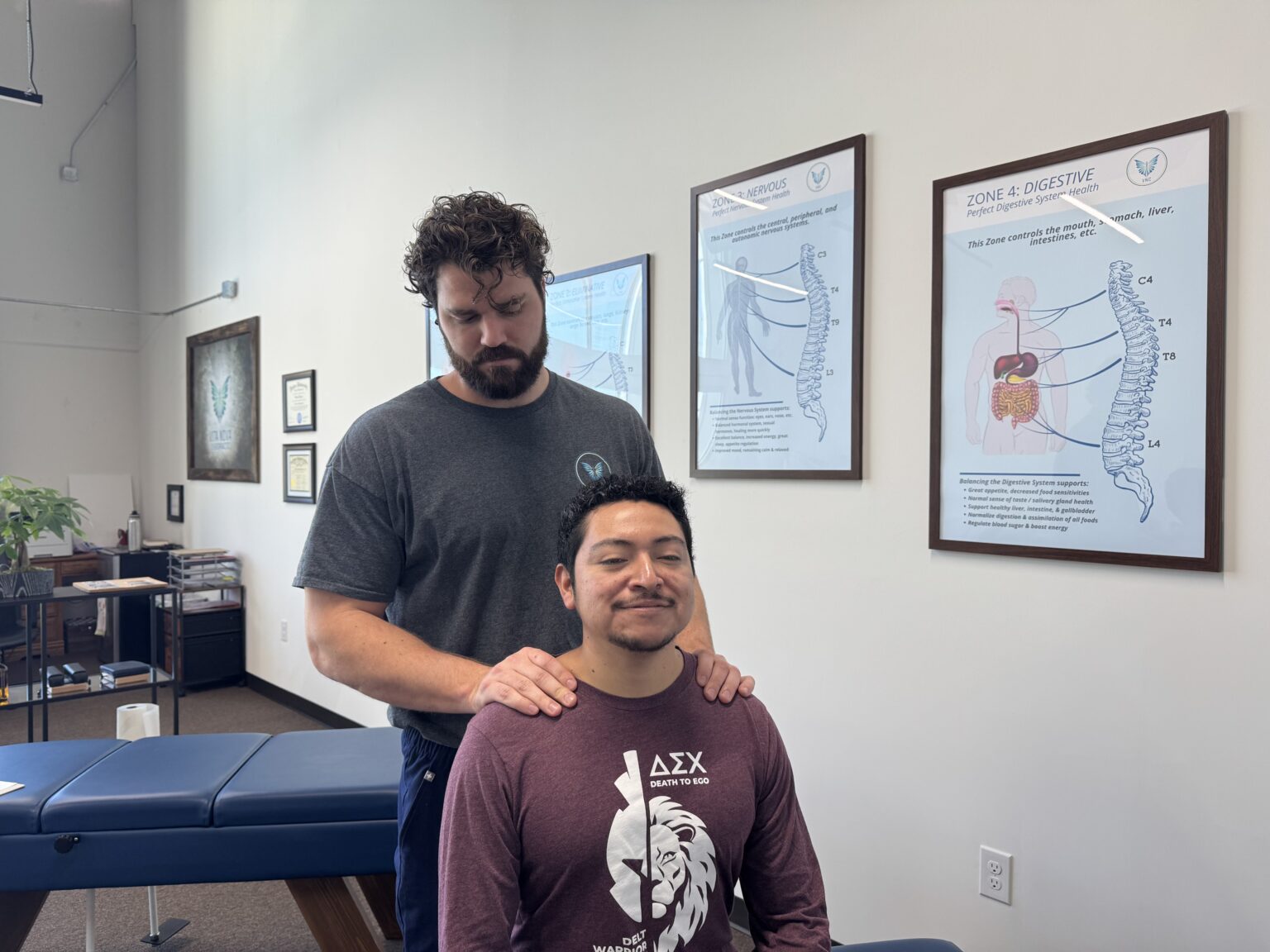
At Vita Nova, Dr. Korrin uses the Zone Technique — a specific, neurologically-based approach to chiropractic care that focuses on balancing six key systems in the body, including the nervous system, glandular system, and emotional center. This makes it particularly effective for stress, because it addresses not just the physical tension in the spine, but the deeper regulatory systems that govern how your body responds to stress in the first place.
Rather than simply adjusting areas of pain, the Zone Technique identifies which systems are out of balance and restores communication between the brain and the body at a foundational level. Patients under consistent Zone Technique care often report that they feel less reactive to stress over time — not just less tense, but genuinely more resilient.
Lowering Cortisol and Supporting Recovery
Cortisol is the body’s primary stress hormone, and chronically elevated cortisol is linked to weight gain, poor sleep, weakened immunity, and heightened anxiety. Research suggests that chiropractic adjustments can help reduce cortisol levels by calming the sympathetic nervous system and supporting the body’s natural stress response cycle. When your nervous system can properly regulate cortisol, your body becomes better equipped to handle daily stress without tipping into nervous system dysfunction.
Releasing Physical Tension Stored in the Spine
Stress doesn’t just affect how you feel mentally — it changes how you hold your body. Rounded shoulders, a forward head position, a raised and tightened upper back — these are the physical signatures of a body carrying too much stress. Over time, these postural patterns create poor posture, spinal misalignments, and the kind of chronic tension that becomes self-reinforcing. Chiropractic care interrupts that cycle by releasing tension from the spine and surrounding muscles, restoring proper alignment, and helping the body find a more balanced resting state.
The Stress-Pain Connection
One of the most important things to understand about stress is how deeply it amplifies pain. When the nervous system is under stress, pain signals are processed more intensely — meaning the same spinal issue or muscle tension that might be manageable under normal conditions can become significantly more painful during a stressful period. This is why so many people experience their back pain, migraines, or sciatica flaring up during stressful seasons of life.
Chiropractic care addresses both sides of this equation — reducing the physical dysfunction that causes pain, and calming the nervous system that’s amplifying it. Many patients find that as their stress response improves through consistent care, their overall pain levels decrease as well, even without any direct treatment to the painful area.
Who Benefits From Chiropractic Care for Stress?
Stress affects every stage of life, and so does the physical toll it takes. At Vita Nova, we provide stress-related chiropractic care for the whole family.
- Busy adults and professionals — desk work, long hours, and constant mental load all create physical tension. Our adult chiropractic care and wellness and preventative care services are designed to help you stay ahead of stress before it becomes a bigger problem.
- Expecting mothers — pregnancy brings its own physical and emotional stress load. Prenatal stress is real and can affect both mother and baby. Our prenatal chiropractic care supports nervous system balance throughout every trimester.
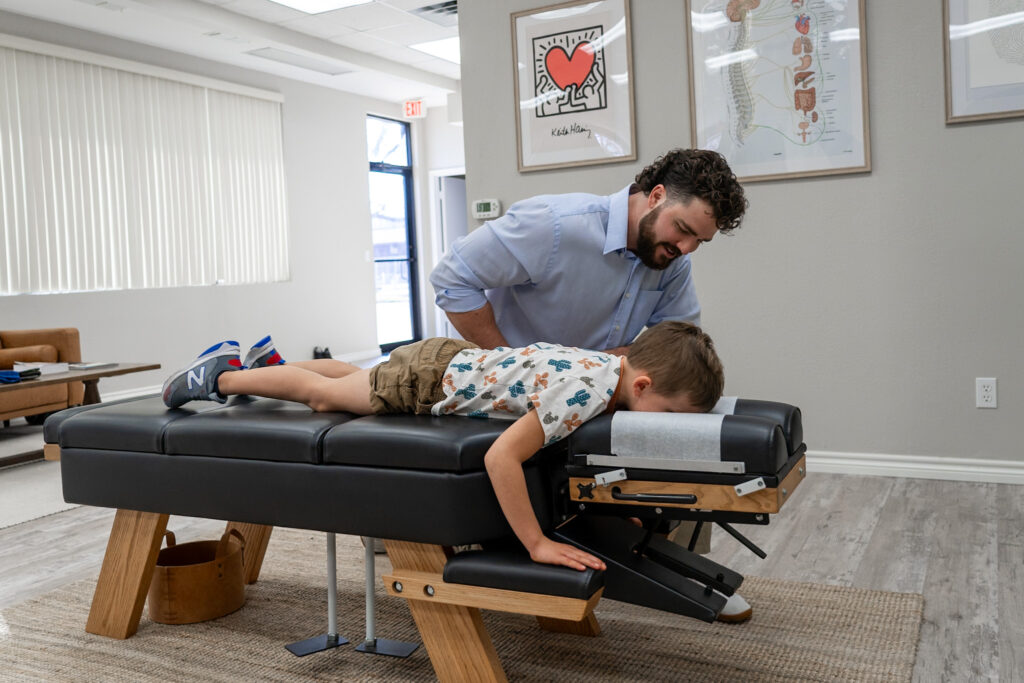
- Children and teens — stress in young people often goes unrecognized but shows up as behavioral changes, difficulty sleeping, and physical complaints. Our pediatric chiropractic care supports healthy nervous system development and helps kids build resilience from an early age. Issues like emotional control difficulties and inattention are often connected to underlying nervous system stress.
- Anyone managing anxiety — anxiety and physical stress are deeply intertwined. Chiropractic care doesn’t replace mental health support, but it can meaningfully reduce the physical burden that anxiety places on the body and nervous system.
- People experiencing chronic illness — living with ongoing health challenges is inherently stressful, and that stress often worsens the underlying condition. Supporting the nervous system through chiropractic care can help break that cycle.
What to Expect at Vita Nova
When you visit Vita Nova Chiropractic for stress-related concerns, Dr. Korrin will take time to understand the full picture — not just where you’re holding tension, but what’s driving it. Your health history, lifestyle, sleep patterns, and stress load all inform the personalized care plan she builds for you.
Adjustments are gentle, precise, and tailored to your nervous system’s current state. Many patients leave their first visit feeling noticeably calmer and lighter — a response that reflects what’s happening neurologically, not just physically. Over time, consistent care helps train the nervous system to spend more time in a balanced, regulated state, making you genuinely more resilient to the stressors that life brings.
We welcome patients from Plano, Murphy, and Richardson, TX. Learn more about what to expect during your first visit.
People Also Ask
Can chiropractic care actually reduce stress?
Yes — chiropractic care addresses stress at a physical and neurological level, not just symptomatically. By correcting spinal misalignments that keep the nervous system in a heightened state, chiropractic adjustments help the body shift out of fight-or-flight and into a genuine state of rest and recovery. Many patients report feeling significantly calmer after adjustments, and with consistent care, that sense of balance tends to carry over into daily life. If stress is affecting your health, scheduling a consultation is a good first step to understanding what’s driving it physically.
How is chiropractic care different from other stress management approaches?
Most stress management tools — meditation, exercise, therapy — work from the outside in, helping you manage your response to stress. Chiropractic care works from the inside out, addressing the nervous system dysfunction that makes your body more vulnerable to stress in the first place. The two approaches are complementary rather than competing — many patients find that chiropractic care makes their other stress management practices more effective, because their nervous system is better equipped to respond to them. Dr. Korrin’s use of the Zone Technique is especially well-suited to this deeper regulatory work.
Can chiropractic care help with anxiety as well as stress?
Stress and anxiety share a common neurological root — both involve an overactivated sympathetic nervous system that struggles to return to baseline. Chiropractic care doesn’t treat anxiety as a psychological diagnosis, but it can meaningfully reduce the physical burden it places on the body, support cortisol regulation, and help the nervous system find a calmer default state. Many patients who come to Vita Nova for stress or anxiety also notice improvements in their mood, sleep, and overall sense of wellbeing as their care progresses. Our holistic chiropractic approach considers all of these systems together.