
The burning started in your feet. You noticed it at night first, lying in bed, a heat that had no obvious cause. Then the tingling in your toes that made you think your foot had fallen asleep, except it never fully woke back up. You had your blood sugar checked. It came back normal, or close enough. Your primary care physician said peripheral neuropathy, gave you a medication that blunted the sensation without explaining what was driving it, and sent you on your way. The sensation is still there. Some days it is worse than others. You are looking for something that addresses the reason, not just the feeling.
What Is Neuropathy?
Peripheral neuropathy is a disorder of the peripheral nervous system, the network of nerves that carries signals between the brain and spinal cord and the rest of the body. When those nerve pathways are disrupted, compressed, or damaged, the signals they carry become distorted. The result is the range of sensations most neuropathy patients describe: burning, tingling, numbness, sharp electric pain, or a heaviness in the hands or feet that makes normal sensation unreliable. According to NIH StatPearls, peripheral neuropathy affects approximately 2.4% of the general population, with prevalence rising to 8% in older adults. A large NHANES cohort study found an overall prevalence of 13.5% in US adults aged 40 and older, with higher rates in those with diabetes. Diabetes is the most commonly cited cause, but neuropathy develops in people without diabetes as well from spinal nerve compression, chronic inflammation, repetitive mechanical stress, and in many cases with no clearly identified metabolic driver at all. The cases where Zone Technique is most directly useful are those involving nervous system interference at the spinal level where nerve roots are compressed, irritated, or where the brain-body communication pathway is disrupted by structural or neurological interference rather than metabolic damage. Dr. Korrin is clear about this distinction at the first visit. Chiropractic is not a treatment for diabetic neuropathy in the metabolic sense. It is a direct approach to the nervous system interference that drives the mechanical and neurological component of nerve symptoms.Who Develops Neuropathy
The patients Dr. Korrin sees at Vita Nova with neuropathy complaints fall into a few recognizable patterns. Older adults in their 50s and 60s who have been told their symptoms are age-related but have not been evaluated for spinal nerve compression. Desk workers with years of sustained cervical and lumbar loading who develop tingling and numbness in the arms and hands that progressively worsens. People who have been through a course of medications for neuropathic pain that provided partial relief at best. Former athletes with accumulated spinal stress that has begun producing nerve symptoms in their later years. Neuropathy that is primarily mechanical in origin, driven by nerve root compression, spinal misalignment, or sustained nervous system interference rather than metabolic disease, is the presentation where chiropractic care has the clearest role. The Zone Technique assessment identifies whether the nervous system interference is present at specific spinal levels and where the greatest disruption is occurring. That assessment shapes the care plan from the first visit.How Dr. Korrin Approaches Neuropathy Using Zone Technique
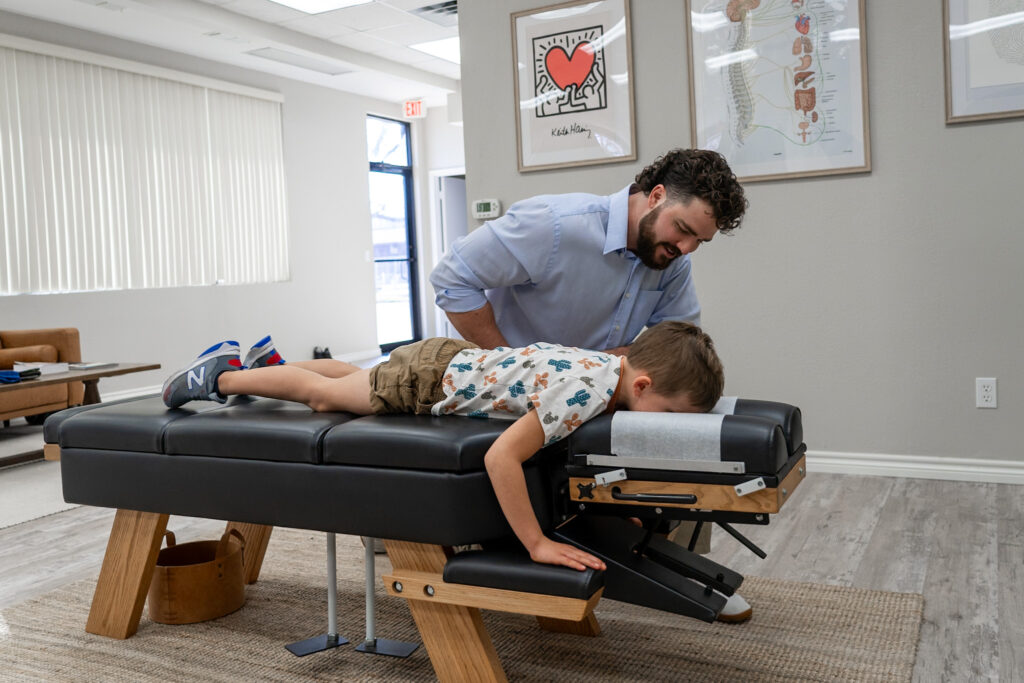
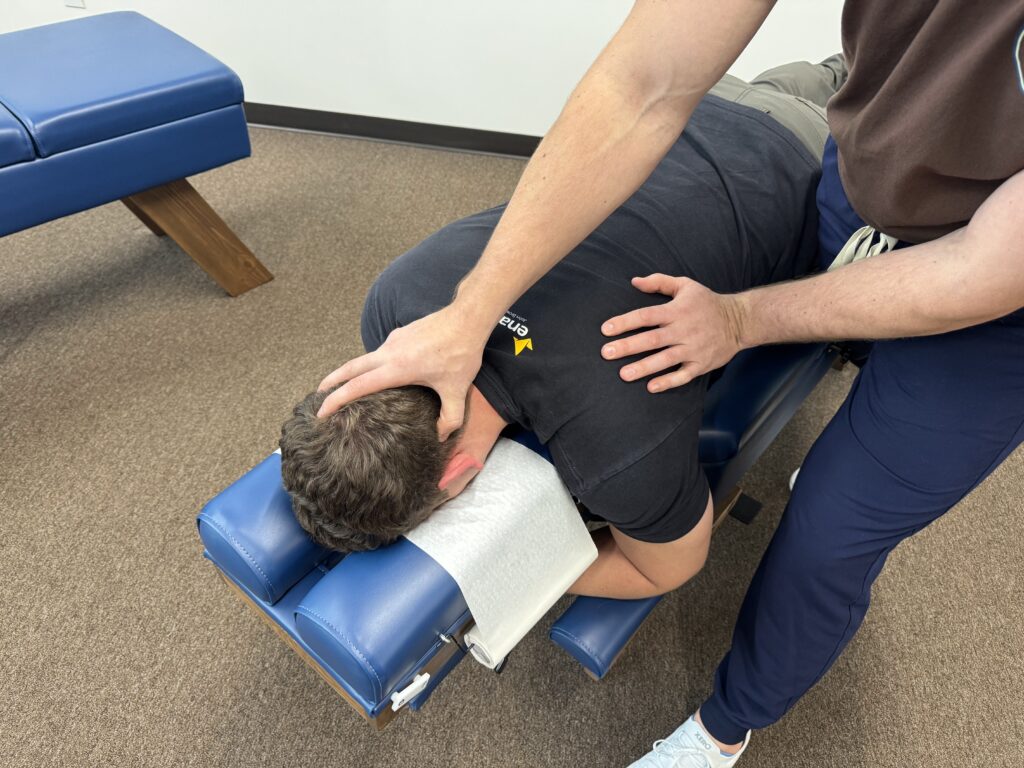
Zone Technique evaluates the nervous system across six body zones and identifies where communication between the brain and body is under interference. For neuropathy, the nervous zone(3) is the primary focus. Zone 3 governs the entire peripheral nerve network, the pathways from the spinal cord outward through the limbs that produce the sensations neuropathy patients describe. When Zone 3 is under interference at specific spinal levels, the nerve signals traveling through those pathways become disrupted. The disruption can produce burning, tingling, or numbness in areas that are anatomically distant from where the interference is actually occurring. The muscular zone(5) is frequently involved alongside Zone 3 in neuropathy presentations. Chronic muscle tension around the spine compresses nerve roots and sustains the interference pattern that Zone 3 is registering. Dr. Korrin assesses both zones at every visit, adjusting at the specific spinal levels where interference is found rather than at the location where the patient feels symptoms. This is the structural distinction that separates Zone Technique from symptom-based treatment: the adjustment targets the origin of the nerve pathway disruption, not its endpoint. Dr. Korrin works through the full Zone Technique assessment before every adjustment. The nervous system presentation changes as care progresses, and the assessment tracks those changes. Patients with long-standing neuropathy often notice the quality of the sensation shifting before the intensity changes, the burning becoming less constant, the tingling becoming more intermittent. These are neurological changes that the Zone Technique assessment maps over the course of care.What to Expect at Your First Visit
Your first visit begins with a Zone Technique assessment of the full nervous system. Dr. Korrin evaluates all six zones and identifies where interference is present, then focuses the assessment on the spinal levels most relevant to your neuropathy pattern. The assessment takes 15 to 20 minutes. He will ask about where the symptoms are located, whether they are bilateral or one-sided, what makes them worse, and how long they have been present. Bilateral foot symptoms have a different spinal origin than one-sided arm tingling. The pattern matters for narrowing the assessment. If you have had nerve conduction studies, EMG results, or MRI imaging from a previous provider, bring them. The structural and neurological picture from prior testing helps Dr. Korrin understand how the Zone Technique findings connect to what has already been evaluated. You leave the first visit with a clear explanation of what the assessment found, which zones are under interference, and what care frequency makes sense for your presentation.Supporting Nerve Health Between Visits
What you do between visits affects how well the Zone Technique adjustment holds and how the nervous system responds over the course of care. For neuropathy specifically, these habits make the most difference:- Avoid prolonged compression of the affected areas. Sitting with legs crossed, resting elbows on hard surfaces for extended periods, or sleeping in positions that compress the wrists all sustain the mechanical pressure that drives nerve interference. Small positioning adjustments compound significantly over time.
- Keep moving, gently. Short walks of 10 to 15 minutes are more useful than longer, less frequent activity. Gentle circulation supports nerve tissue. Sustained inactivity does not.
- Avoid tight footwear if your symptoms are primarily in the feet. Compression across the forefoot or around the ankle directly impairs the nerve pathways that are already under stress.
- Note the pattern of your symptoms between visits. Time of day, position, activity; these details help Dr. Korrin track how the Zone Technique adjustment is affecting the nervous system and where to focus the next assessment.