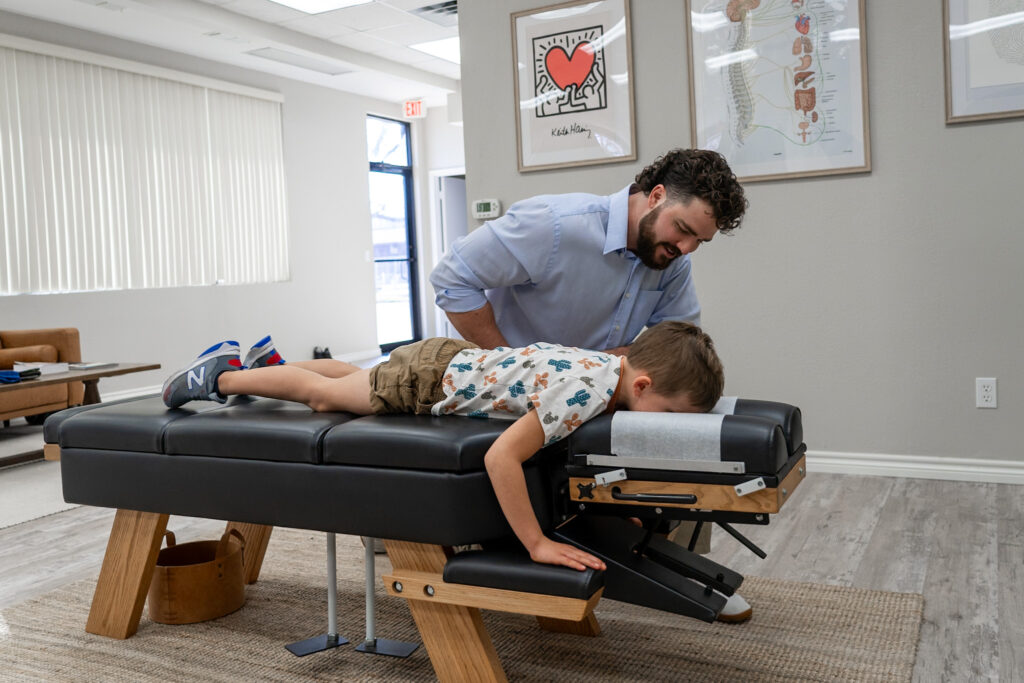
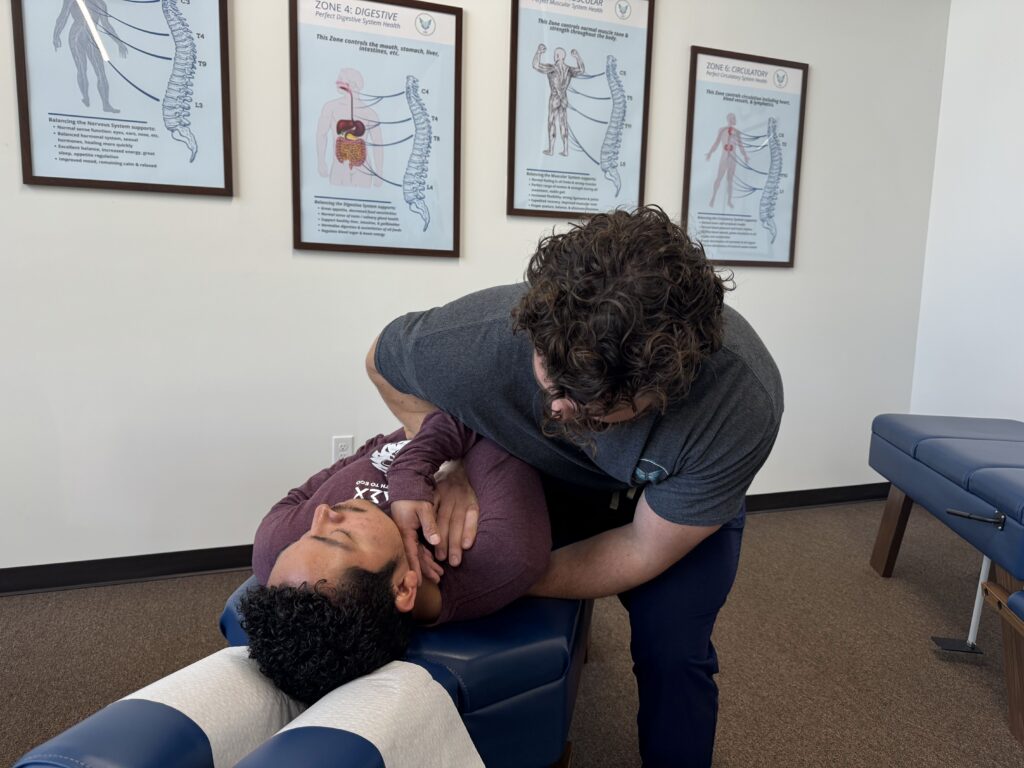

You or someone in your family has a seizure diagnosis and is under neurological care. The medication is managing the frequency to some degree. You are looking for something that supports the nervous system at a foundational level alongside what the neurologist is doing. Zone Technique does not treat epilepsy or seizure disorders. What it does is assess and address the mechanical nervous system interference that may be affecting how clearly the brain and body communicate, and whether that interference is a contributing factor in the overall nervous system burden the patient is carrying.
Seizures and the Nervous System
Seizures are abnormal electrical activity in the brain that disrupts normal neurological function. The underlying causes are diverse, from genetic factors and structural brain differences to metabolic disturbances and acquired injury. Chiropractic care does not address the electrical or structural cause of seizure activity directly. What Zone Technique assesses is the mechanical nervous system interference in the spinal column, particularly at the upper cervical levels adjacent to the brainstem, that affects the broader neurological environment. Research on upper cervical chiropractic care and seizure frequency has produced preliminary case reports suggesting a possible relationship between upper cervical alignment and seizure threshold, though controlled trial evidence is limited and honest framing of that limitation is important. Zone Technique is a complement to the neurological care managing the seizure diagnosis, not a replacement for it.
How Dr. Korrin Approaches Seizure Presentations Using Zone Technique
For patients with seizure diagnoses, Zone Technique focuses on the nervous zone(3) at the upper cervical levels most directly adjacent to the brainstem and the structures governing autonomic nervous system regulation. When Zone 3 is under interference at C1 and C2, the nervous system is carrying an additional mechanical load on top of whatever underlying seizure pathology is present. Removing that interference does not change the seizure diagnosis but may reduce the overall neurological burden the nervous system is managing. The glandular zone(1) is also assessed for patients whose seizures have a stress-related trigger component, since cortisol and stress hormone dysregulation is a recognized seizure threshold modulator. Dr. Korrin works alongside the neurological care team. Zone Technique is assessed and adjusted at every visit, and any changes in seizure pattern are communicated to the treating neurologist.
Your first visit begins with a Zone Technique assessment of the full nervous system. Dr. Korrin evaluates all six zones and identifies where interference is present. The assessment takes 15 to 20 minutes. He will ask about the seizure diagnosis, current medication, seizure frequency and triggers, and what the neurological team’s current management approach looks like. Bring any neurological evaluation notes or EEG reports. For children with seizure diagnoses, the childhood neurological disorders page covers how Zone Technique approaches pediatric nervous system presentations. For patients whose seizure diagnosis falls under an epilepsy diagnosis specifically, that condition page covers the scope and approach in more detail. Dr. Korrin is accepting new patients at Vita Nova in Plano, TX. Schedule your first visit to find out whether nervous system interference is a component worth addressing alongside your existing care.