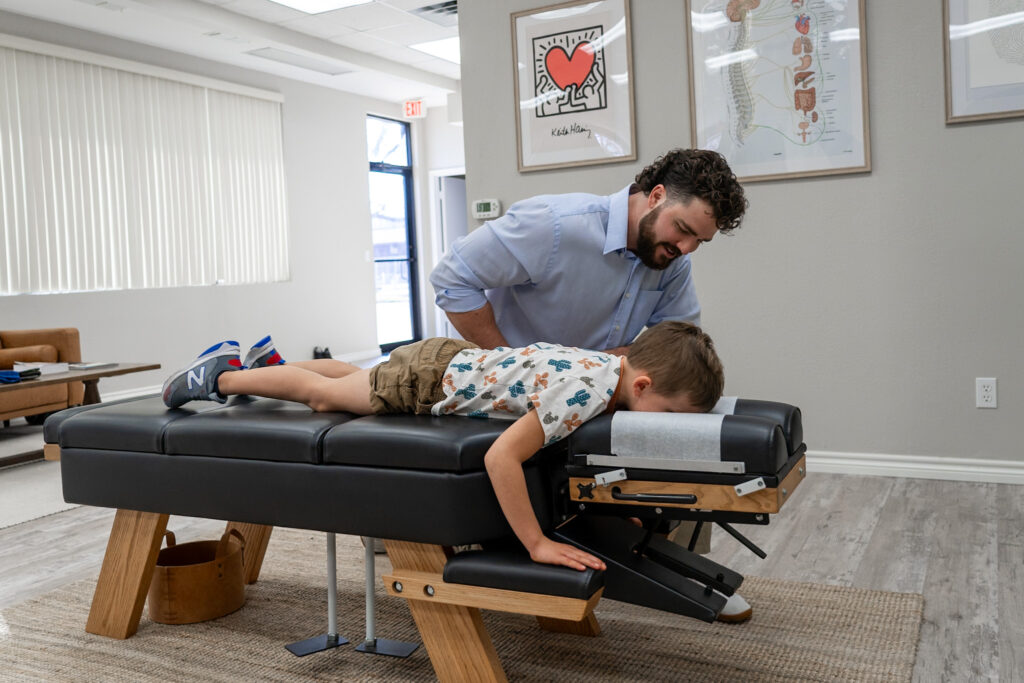
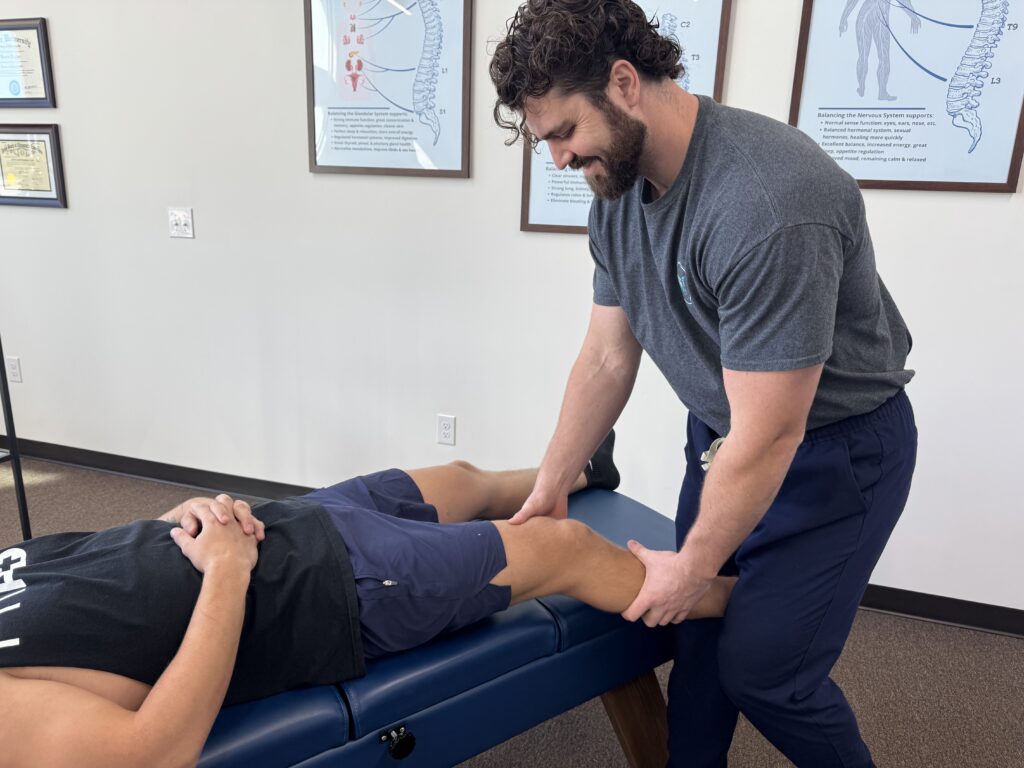

The pain is in your hip, but something about it does not feel like a hip problem. It changes with back position. It is worse after sitting than after walking. It may travel into the groin or down the outer thigh. Or it is deep in the buttock and catches when you walk. Hip pain in adults is one of the most frequently mislocalized symptoms in the practice because the hip region receives nerve supply from multiple lumbar levels and because the SI joint refers pain into the hip as naturally as it refers pain into the low back. Zone Technique identifies where the source actually is before making any assumption about the hip joint itself.
What Could Be Causing Your Hip Pain?
Hip pain has several distinct origins that are frequently confused for each other. True hip joint pain originates in the femoroacetabular joint and is typically felt deep in the groin, worsens with hip rotation and loading, and is consistent with a labral tear, osteoarthritis, or bursitis of the trochanteric bursa. Referred hip pain from the lumbar spine, specifically L4 and L5 nerve root irritation, produces pain in the outer hip and thigh and may be accompanied by lower back pain or leg radiation. The sciatic nerve, when compressed by the piriformis muscle or at the L5-S1 disc level, produces deep buttock and lateral hip pain that is commonly mistaken for a hip joint problem. Sacroiliac joint dysfunction refers pain into the posterior hip and buttock and is the most common non-hip source of hip region pain in adults over 40.
Each of these produces pain in the hip region but responds to a different approach. The Zone Technique assessment distinguishes between them at the first visit by identifying where nervous system interference is present rather than treating the location of the symptom.
How Dr. Korrin Approaches Hip Pain Using Zone Technique
For hip pain, Zone Technique assesses the nervous zone(3) at the lumbar and sacral levels governing the nerve supply to the hip region. L4, L5, and S1 nerve root interference produces referred pain into the hip and thigh. When Zone 3 shows interference at those levels, the adjustment is made there rather than at the hip itself. The muscular zone(5) tracks the piriformis and gluteal muscle tension that frequently accompanies lumbar and SI joint hip pain presentations. Piriformis overactivation compresses the sciatic nerve pathway and produces deep buttock and lateral hip pain that persists between lumbar adjustments when the muscular guarding pattern is not also addressed. Dr. Korrin assesses both zones at every visit and adjusts at the levels where interference is found.
Hip pain that travels into the leg or is accompanied by low back pain is most often driven by a lumbar nerve root rather than the hip joint itself. How Zone Technique addresses that nerve pathway is covered in detail on the sciatica page, including how the assessment distinguishes disc-driven from piriformis-driven compression. For patients whose hip pain developed during pregnancy, the SI joint laxity and hormonal component changes the picture significantly — pelvic girdle pain during pregnancy follows a different assessment and adjustment approach than standard SI joint dysfunction. And when the lumbar spine is the primary driver of referred hip pain in a non-pregnant patient, the back pain chiropractic care page covers what Zone Technique finds at the lumbar levels most commonly involved.
Dr. Korrin is accepting new patients at Vita Nova in Plano, TX. Schedule your first visit to find out where your hip pain is actually coming from.