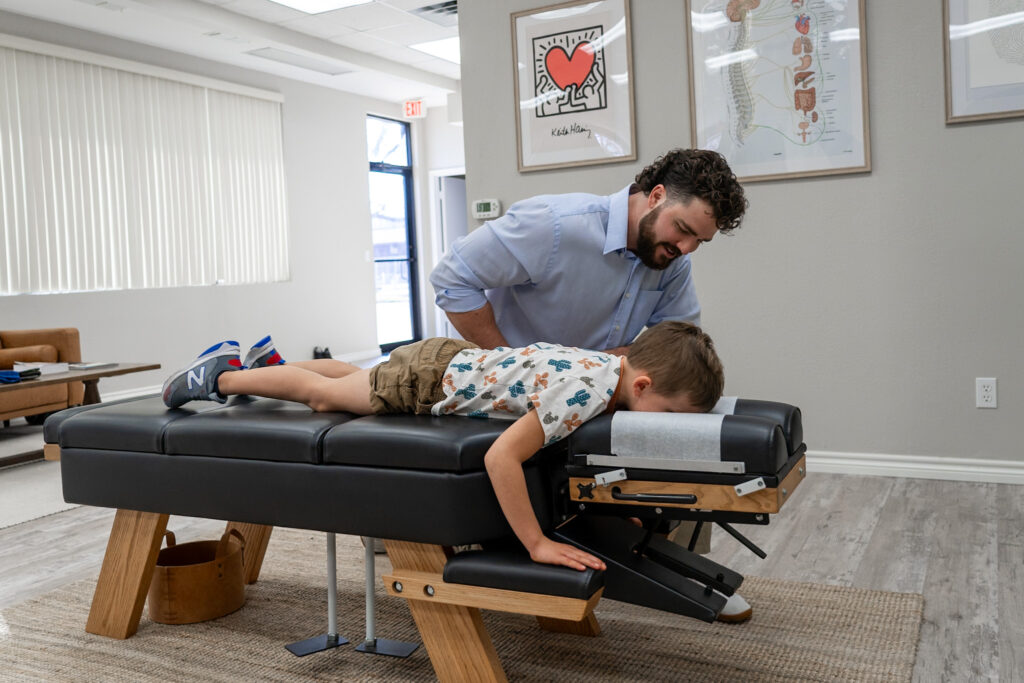


Your mood is inconsistent in a way that feels physiological rather than circumstantial. The irritability that arrives without a clear trigger. The low periods that do not match what is actually happening in your life. The emotional flatness that follows weeks of being stretched too thin. You have ruled out the obvious causes and you are looking for something that works at the level of the nervous system and hormonal regulation that underlies mood rather than just managing how you respond to it.
Mood Imbalance and the Nervous System
Mood is a product of nervous system and hormonal regulation. The serotonin, dopamine, and norepinephrine systems that govern emotional stability all depend on clear nervous system signaling and healthy HPA axis function. When the autonomic nervous system is chronically dysregulated, the hormonal environment that supports mood stability is also dysregulated. The vagus nerve, which runs from the brainstem through the upper cervical spine, plays a significant role in this picture. Vagal tone is consistently associated with emotional regulation capacity, affect stability, and resilience to mood disruption. When the upper cervical levels are under mechanical interference, vagal tone is reduced and the nervous system’s capacity to support stable mood is compromised. This is not the whole picture of mood imbalance. But it is a mechanical piece of it that Zone Technique can assess and address directly alongside whatever else is being done. For patients whose mood imbalance has an anxiety component, the anxiety condition page covers the nervous system mechanism of that presentation specifically.
How Dr. Korrin Approaches Mood Imbalance Using Zone Technique
For mood balance presentations, Zone Technique focuses on the glandular zone(1) and the nervous zone(3). Zone 1 governs the hormonal signaling that underpins mood regulation including cortisol, the sex hormones, and the adrenal output that influences energy and emotional tone. Zone 3 governs the vagus nerve and the autonomic nervous system balance that determines how the nervous system responds to emotional input. When both zones are under interference the nervous system cannot maintain the hormonal and neurological stability that mood regulation requires. The Zone Technique adjustment at the specific levels where interference is found works to restore clearer communication through both pathways. For patients whose mood imbalance is connected to broader nervous system dysfunction, that condition page covers how Zone Technique addresses systemic nervous system interference in detail.
Your first visit begins with a Zone Technique assessment of the full nervous system. The assessment takes 15 to 20 minutes. Dr. Korrin will ask about the mood pattern, when it started, what it looks like across the day and week, whether there are physical symptoms alongside it such as sleep disruption, fatigue, or tension, and what you are already doing to support mood stability. Zone Technique is a complement to whatever mental health support is already in place, not a replacement for it. If mood imbalance involves a diagnosed mental health condition, Dr. Korrin works alongside the treating provider rather than as the primary intervention. Patients from Plano, Murphy, and Richardson come to Vita Nova for this presentation after working through lifestyle and behavioral approaches and finding that the physiological baseline is not shifting. Dr. Korrin is accepting new patients. Schedule your first visit to find out whether nervous system interference is part of what is keeping your mood regulation from stabilizing.