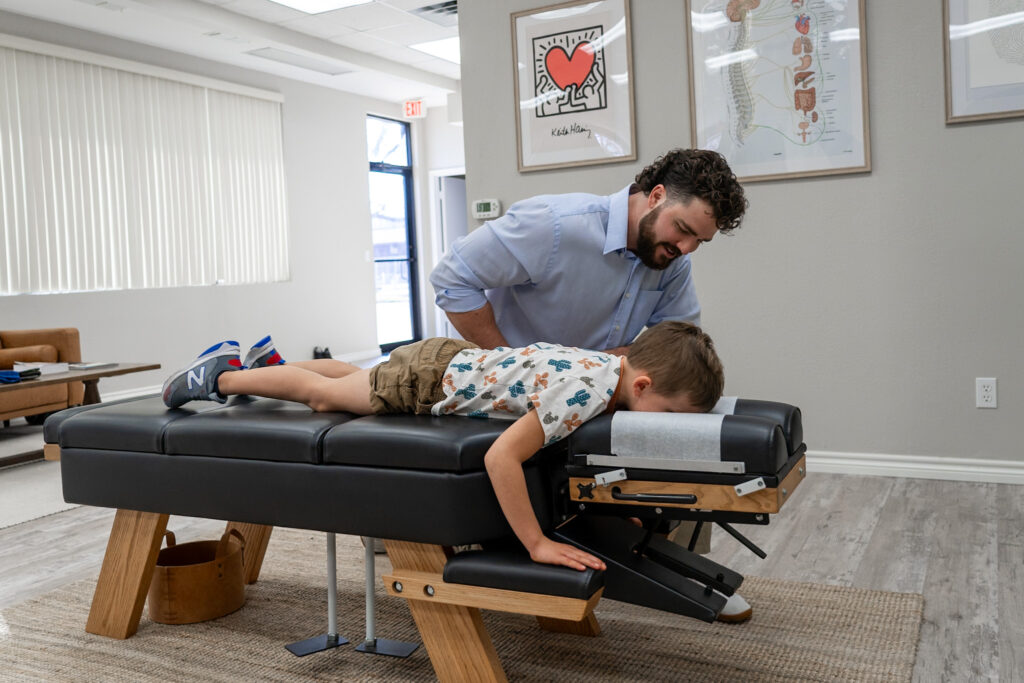

The vagus nerve is the longest cranial nerve in the body and the primary highway of the parasympathetic nervous system. It governs heart rate, digestion, immune regulation, stress response recovery, sleep onset, and the gut-brain connection that influences everything from mood to inflammatory signaling. When the vagus nerve is not functioning at full capacity, the downstream effects are distributed across every system it governs. Zone Technique is the most directly applicable chiropractic approach to vagus nerve function because it assesses nervous system interference at the upper cervical levels where the vagus nerve originates and adjusts specifically there.
What Is Vagus Nerve Dysfunction?
Vagus nerve dysfunction, sometimes called vagal dysregulation or low vagal tone, describes a pattern in which the vagus nerve is not transmitting its regulatory signals at normal efficiency. The vagus nerve exits the brainstem and runs through the jugular foramen adjacent to C1 and C2 before descending through the neck, chest, and abdomen. Mechanical stress at C1 and C2 can directly affect vagal nerve function by compressing or irritating the nerve at its proximal course or by disrupting the brainstem nuclei from which the vagus originates.
A review in Frontiers in Neuroscience documented that vagal tone is a key determinant of autonomic nervous system balance, inflammatory regulation, stress resilience, and cardiac parasympathetic function, and that reduced vagal tone is a consistent finding in anxiety, depression, inflammatory conditions, and chronic stress presentations. When vagal tone is low, the parasympathetic nervous system cannot effectively counterbalance sympathetic activation, gut motility slows, inflammatory signaling increases, heart rate variability decreases, and the whole-body regulatory capacity of the nervous system diminishes. Restoring vagal tone through Zone Technique adjustment at the upper cervical levels is the mechanism that connects chiropractic care to the wide range of presentations where vagus nerve dysfunction is a contributing factor.
Who Presents With Vagus Nerve Dysfunction
Vagus nerve dysfunction presents across a wide range of patient types at Vita Nova. Adults with chronic anxiety whose physiological stress response does not fully deactivate between triggers. Patients with gut dysregulation, bloating, constipation, or irritable bowel patterns that have a clear nervous system component. Patients with sleep difficulty driven by an inability to shift into parasympathetic dominance at night. Patients with chronic inflammatory conditions where the anti-inflammatory pathway of the vagus nerve is underperforming. And patients who have had a whiplash injury or other cervical trauma after which multiple vagally-regulated functions have not fully returned to normal.
How Dr. Korrin Approaches Vagus Nerve Dysfunction Using Zone Technique
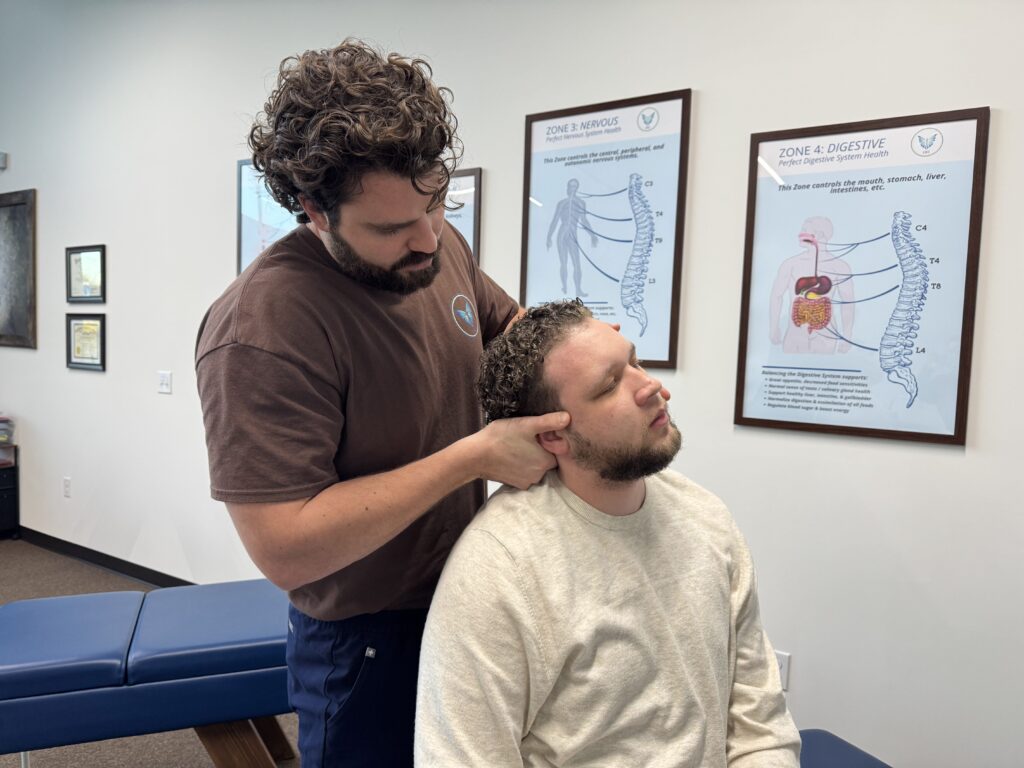
For vagus nerve dysfunction, Zone Technique focuses on the nervous zone(3) at the upper cervical levels where the vagus nerve originates and where mechanical interference most directly affects its function. When Zone 3 is under interference at C1 and C2, the nerve signal quality through the vagus pathway is compromised. The Zone Technique adjustment at those specific levels works to restore clearer nervous system communication through the vagal pathway, with downstream effects across all of the systems the vagus governs.
The digestive zone(4) is assessed alongside Zone 3 for patients whose vagal dysregulation is most expressed in gut function. The glandular zone(1) is assessed for the hormonal and immune signaling component of vagal tone. Dr. Korrin assesses all six zones at every visit and tracks changes in the Zone 3 interference pattern as the primary indicator of vagal function improvement over the course of care. Most patients with vagus nerve dysfunction notice the change in sleep onset and gut function first as the vagal tone begins to restore.
What to Expect at Your First Visit
Your first visit begins with a Zone Technique assessment of the full nervous system. The assessment takes 15 to 20 minutes. Dr. Korrin will ask about your symptom picture across all systems the vagus governs: heart rate, digestion, sleep, stress response, and inflammation patterns, to build a complete picture of where vagal dysfunction is most expressed in your body. He will also ask about any history of cervical trauma, whiplash, or upper cervical injury that may have initiated the vagal dysregulation pattern.
Vagus nerve dysfunction is often the specific mechanism underneath what patients experience as a broader multi-system dysregulation that does not fit neatly into a single diagnosis. For patients whose vagal dysregulation is most expressed in the stress response and emotional regulation, anxiety and fibromyalgia both involve the same vagal tone deficit as a core component. And for anyone wanting to understand what the full six-zone assessment actually looks like in practice, the Zone Technique process itself is covered in detail on the service page.
Dr. Korrin is accepting new patients at Vita Nova in Plano, TX. Schedule your first visit to find out whether upper cervical interference is affecting your vagal tone and what Zone Technique can do to restore it.