
It is not quite dizziness. It is the room moving when you are standing still. It happens when you roll over in bed, when you tilt your head back to look at something above you, or when you stand up too quickly. Sometimes it lasts a few seconds. Sometimes it lingers for minutes and leaves you unsteady for the rest of the day. The cause is not always obvious, and the standard advice to stay hydrated and move slowly does not address why it keeps happening. For a specific type of vertigo, the source is in the cervical spine, not the inner ear, and the care approach is entirely different.
What Kind of Vertigo Is This?
Vertigo is not a single condition. It is a symptom with several distinct mechanisms, and identifying which one is present determines whether chiropractic care is appropriate and what it should look like.
Benign paroxysmal positional vertigo, or BPPV, is the most common cause of vertigo. It occurs when calcium carbonate crystals in the inner ear become dislodged and move into the semicircular canals, producing brief episodes of spinning triggered by specific head positions. BPPV is a vestibular disorder. The primary treatment is the Epley maneuver, a repositioning procedure that moves the crystals back into place.
Cervicogenic dizziness is a distinct presentation where the dizziness originates from dysfunction in the cervical spine rather than the inner ear. The cervical spine contains highly developed proprioceptive receptors that provide the brain with continuous information about head position. A 2022 narrative review in the Journal of Clinical Medicine documented how disruption to these cervical proprioceptors produces dizziness when the input they send to the vestibular system becomes inconsistent or inaccurate. The brain receives conflicting position information from the eyes, the inner ear, and the neck simultaneously, and the result is dizziness. When the cervical spine is the primary driver, addressing the cervical dysfunction changes the proprioceptive input and resolves the dizziness.
The two types can coexist. A patient with chronic neck tension and upper cervical dysfunction may also develop BPPV from an unrelated cause. A thorough assessment distinguishes the primary driver and determines which approach is most appropriate. At Vita Nova, Dr. Korrin uses Zone Technique to identify whether nervous system interference in the cervical spine is contributing to the dizziness pattern the patient is experiencing.
Who Develops Vertigo and Cervicogenic Dizziness
Cervicogenic dizziness is common in patients with a history of neck injury or sustained cervical loading. Whiplash from a previous car accident is one of the most common antecedents. The upper cervical proprioceptors are disrupted by the rapid acceleration-deceleration mechanism and the dizziness can develop in the weeks or months following the injury. Patients with degenerative changes in the upper cervical spine, chronic neck tension from desk work, or restricted C1-C2 mobility often develop cervicogenic dizziness as the dysfunction worsens. Older adults with a history of falls or balance problems frequently have an upper cervical component to their dizziness that has not been assessed as a mechanical issue.
How Dr. Korrin Approaches Vertigo Using Zone Technique
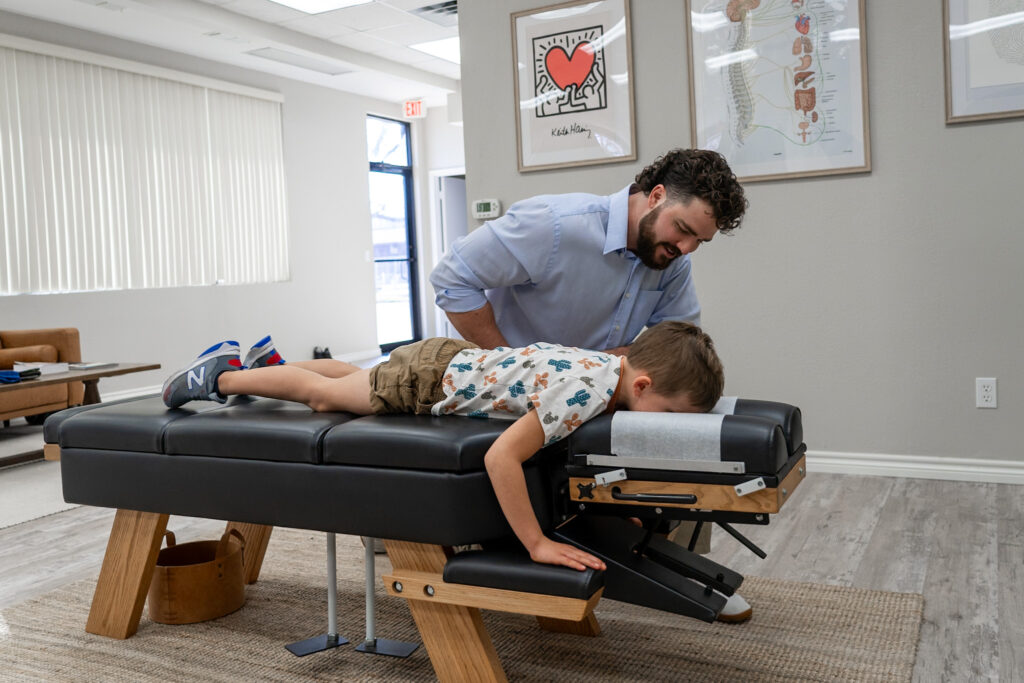
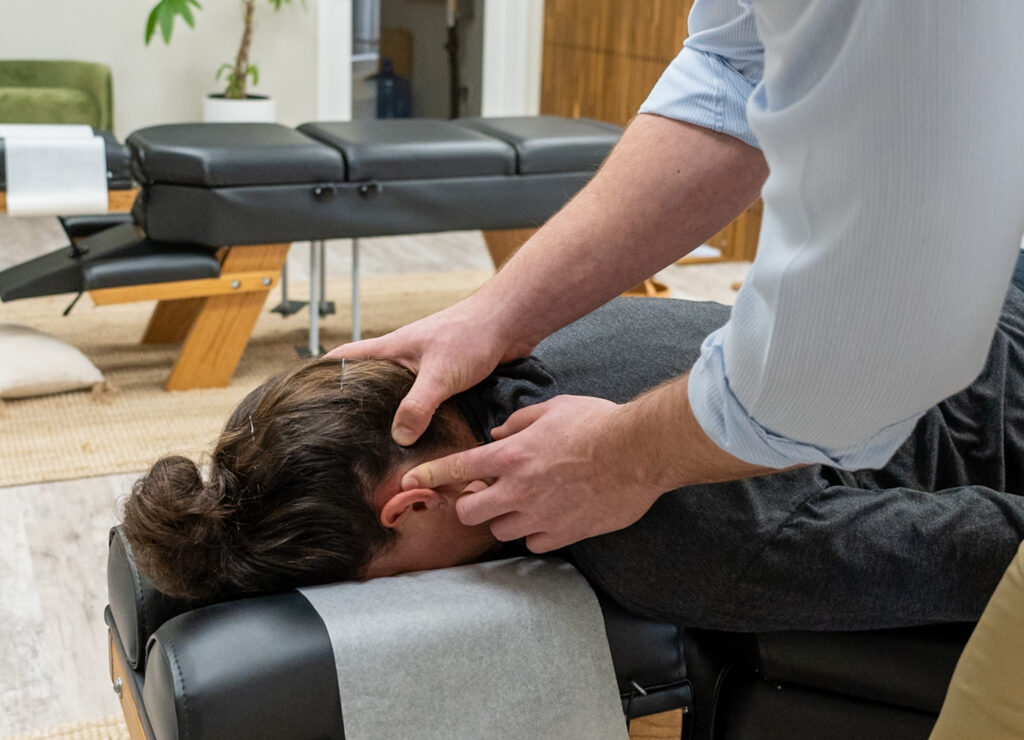
For cervicogenic dizziness, Zone Technique targets the nervous system interference driving the disrupted proprioceptive input from the upper cervical spine. The nervous zone(3) governs the cervical nerve pathways and vestibular signaling. When Zone 3 is under interference at the upper cervical levels, specifically C1 and C2, the proprioceptive signals the cervical spine sends to the vestibular system become inconsistent. The brain interprets that inconsistency as movement, which is what produces the dizzy sensation even when the patient is stationary. The Zone Technique adjustment at the levels driving Zone 3 interference restores more accurate proprioceptive signaling from the upper cervical spine and reduces the vestibular conflict that produces the dizziness.
The circulatory zone(6) is also relevant in some vertigo presentations. Vertebrobasilar circulation supplies blood flow to the inner ear and vestibular nuclei in the brainstem. Upper cervical dysfunction can affect blood flow through this pathway in specific patients, contributing to dizziness that worsens with head position changes. Zone 6 interference assessment includes evaluating circulatory patterns relevant to the vestibular supply. For patients where this is a component, addressing Zone 6 alongside Zone 3 provides a more complete picture of what is driving the dizziness pattern.
A 2024 systematic review in PMC found evidence supporting manual therapy for cervicogenic dizziness across multiple randomized controlled trials, with improvements in dizziness intensity and frequency as primary outcomes. This aligns with what Dr. Korrin finds in clinical practice: cervicogenic dizziness presentations respond to precise upper cervical care when the assessment identifies interference at the relevant levels.
What to Expect at Your First Visit
Your first visit begins with a Zone Technique assessment of the full nervous system. Dr. Korrin evaluates all six zones and identifies where interference is present, with specific focus on the upper cervical levels most associated with cervicogenic dizziness. The assessment takes 15 to 20 minutes. He will ask when the dizziness occurs, what triggers it, how long episodes last, whether it is accompanied by neck pain or stiffness, and whether you have had any prior neck injuries or vestibular evaluations. That information helps distinguish cervicogenic dizziness from BPPV or other vestibular causes before the assessment is applied.
If you have already been evaluated by an ENT or neurologist and BPPV or vestibular neuritis has been ruled out, that information is useful context. If the dizziness has not been previously evaluated and the presentation suggests a non-cervical cause, Dr. Korrin will tell you directly and refer you for appropriate assessment before beginning care. For presentations where the Zone Technique assessment identifies upper cervical interference consistent with cervicogenic dizziness, care typically begins that same visit.
If your vertigo followed a car accident or whiplash injury, the whiplash chiropractic care page covers the upper cervical mechanism in detail and how Zone Technique addresses it. Dizziness accompanied by chronic neck pain and restricted range of motion is usually cervicogenic and the neck pain chiropractic care page covers how Dr. Korrin approaches the full cervical picture. Headaches that accompany your dizziness, particularly at the base of the skull or behind one eye, may be cervicogenic in origin as well and the headaches chiropractic care page covers how upper cervical Zone Technique addresses that pattern.
Patients presenting with vertigo and dizziness at Vita Nova in Plano, TX frequently come after working through the standard pathway: an ENT visit, a BPPV diagnosis that the Epley maneuver did not fully resolve, or a neurology workup that returned normal results. When the vestibular system has been evaluated and cleared and the dizziness persists, the cervical spine is often where the answer is found. Dr. Korrin sees patients from across Plano and from Murphy and Richardson who have reached that point in their evaluation and are looking for a provider who will assess the cervical contribution directly.
Dr. Korrin is accepting new patients at Vita Nova in Plano, TX. Schedule your first visit to find out whether the dizziness you are experiencing has a cervical origin that Zone Technique can address.