
Your child goes from calm to overwhelmed faster than you can track. The transition from one activity to the next becomes a crisis. A minor disappointment escalates into a full meltdown that takes thirty minutes to recover from. They are not dramatic. Their nervous system is stuck in a state where the emotional response activates faster and more intensely than the regulatory system can manage it. That gap between activation and regulation is the nervous system problem Zone Technique is positioned to address.
What Could Be Driving Emotional Dysregulation?
Emotional regulation depends on the prefrontal cortex being able to modulate the limbic system’s emotional response before it escalates. That modulation requires clear nervous system communication through the brainstem and upper cervical pathway. When those levels are under mechanical interference, the limbic system activates at full intensity and the prefrontal cortex cannot apply the brake effectively. The child experiences the full force of the emotional response without the internal regulation that would allow them to manage it. This is not a matter of willpower or parenting. It is a nervous system timing and communication problem.
Research on heart rate variability (HRV) has shown that the autonomic nervous system plays a central role in emotional regulation, with higher vagal tone associated with better emotional regulation capacity in children. The vagus nerve and the upper cervical levels through which it runs are precisely where Zone Technique focuses its assessment for emotional dysregulation presentations.
How Dr. Korrin Approaches Emotional Control Using Zone Technique
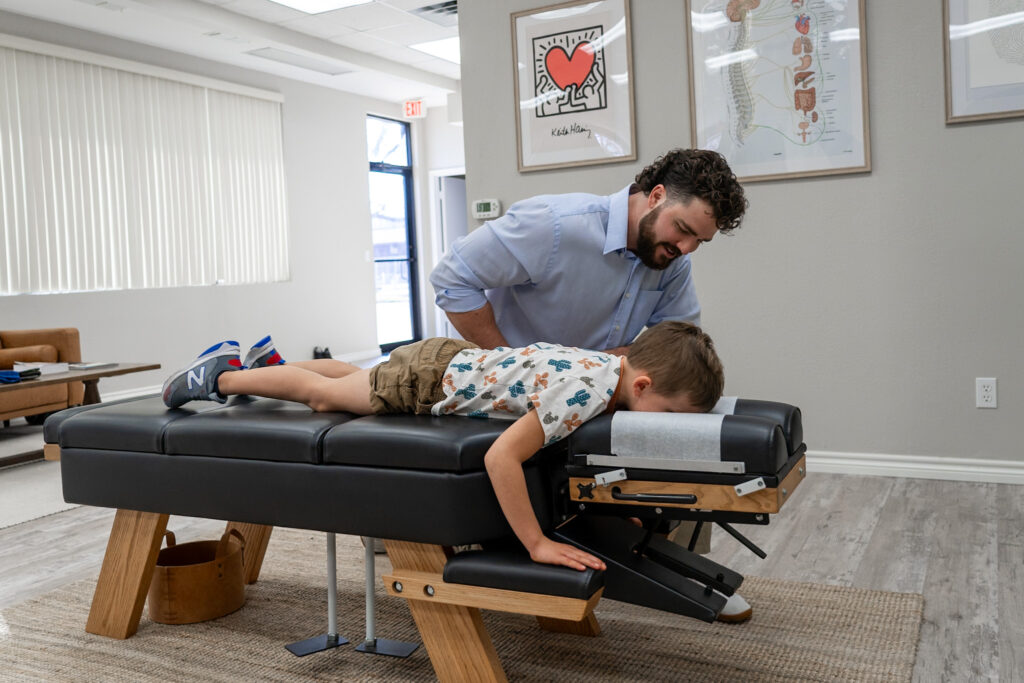
For emotional dysregulation, Zone Technique targets the nervous zone(3) at the upper cervical levels governing vagal tone and brainstem-prefrontal cortex communication. The glandular zone(1) is assessed alongside Zone 3 for the cortisol regulation component of the emotional response. Children with chronic emotional dysregulation frequently have a dysregulated HPA axis stress response. Cortisol spikes quickly and recovers slowly, amplifying the emotional response and prolonging the recovery window. Zone 1 interference at the hormonal signaling level contributes to that pattern. Dr. Korrin assesses all six zones and adjusts at the specific levels where interference is found.
Emotional control difficulties frequently accompany ADHD, autism spectrum disorder, and sensory processing disorder at Vita Nova. The Zone Technique assessment addresses the full nervous system regulation picture rather than treating each presenting symptom separately. If impulsivity or behavioral challenges accompany the emotional dysregulation, the assessment finds the interference pattern driving all of them and the adjustment addresses the source. The pediatric chiropractic care page covers the full scope of what Dr. Korrin does for children at Vita Nova. Dr. Korrin is accepting new pediatric patients. Schedule your child’s first visit to find out whether nervous system interference is contributing to the emotional dysregulation pattern.