
What Could Be Causing Your Lower Back Pain?
Lower back pain is a signal, not a diagnosis. The lumbar spine sits at the center of nearly every load-bearing movement the body makes, and when the nervous system loses clear communication with the structures supporting it, that region is usually where the disruption shows up first. The most common sources are nerve root irritation from a disc herniation or bulging disc pressing against spinal nerves in the lumbar region, sacroiliac joint dysfunction where the pelvis and spine meet, and degenerative disc disease that has been quietly developing over years of cumulative load. When lower back pain travels into the hip, buttock, or down the leg, sciatica is frequently involved. The symptom itself does not tell you which of these is the driver. The Zone Technique assessment does.
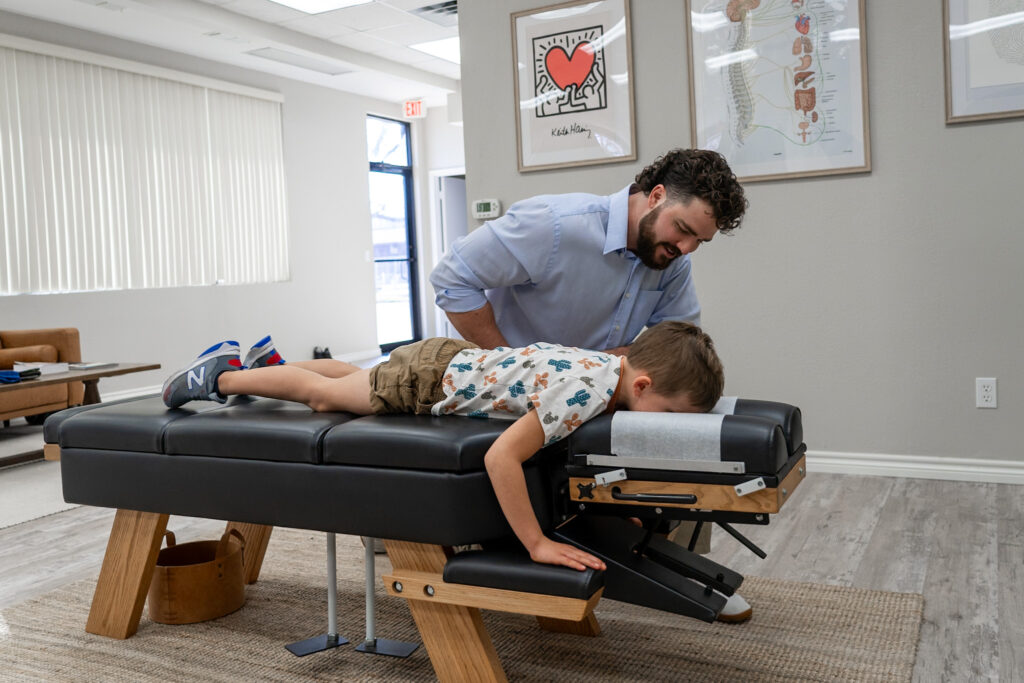
How Dr. Korrin Approaches Lower Back Pain Using Zone Technique
Zone Technique does not start at the location of pain. It starts with the nervous system. For lower back pain, two zones are almost always involved. The nervous zone(3) governs the nerve pathways running through the lumbar spine and into the lower extremities. When Zone 3, the nervous zone, is under interference at lumbar or sacral levels, the muscles supporting the spine receive inconsistent signals from the brain. Some over-activate as a protective response. Others underfire. That imbalance creates the kind of chronic tension and instability that makes lower back pain self-perpetuating long after the original trigger has passed.
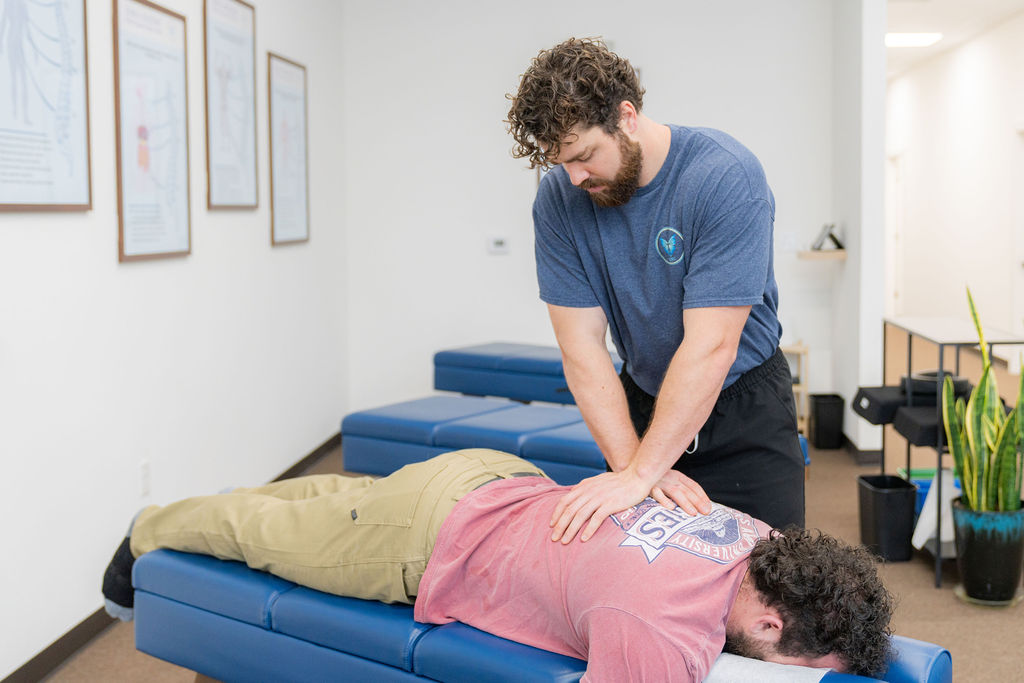
The muscular zone(5) tracks the muscle tension pattern directly. Chronic guarding in the lumbar and SI region is one of the primary reasons lower back pain persists. Dr. Korrin identifies where these zones are showing interference and adjusts at the specific spinal levels where the nervous system disruption is clearest. The adjustment is targeted, not general. That precision is what distinguishes Zone Technique from a routine spinal manipulation.
What to Expect at Your First Visit
Your first visit begins with a Zone Technique assessment of the full nervous system. Dr. Korrin evaluates all six zones to identify where interference is present, then focuses on the lumbar and sacral levels most relevant to your lower back complaint. The assessment takes 15 to 20 minutes. He is not rushing to the table.
If you have had imaging done, an MRI or X-ray from a previous provider, bring it. The structural picture helps Dr. Korrin understand how the Zone Technique findings map to what is visible in the scan. You leave the first visit with a clear explanation of what the assessment found and a care frequency recommendation based on your specific presentation.
If your lower back pain is connected to nerve involvement, the sciatica chiropractic care page covers how Zone Technique addresses that pattern specifically. For disc-related lower back pain, the disc herniation and bulging disc pages go deeper into how the assessment and adjustment work for each. For a full picture of how Dr. Korrin approaches back pain across all presentations, visit the back pain chiropractic care page.
Dr. Korrin sees lower back pain across the full range of patient types at Vita Nova. The desk workers along the tollway corridor in Plano who sit for eight hours a day develop it differently than the tradespeople in Murphy doing repetitive lifting on job sites. Richardson residents dealing with years of accumulated spinal load present differently again. The back pain chiropractor service page covers what care looks like across those different presentations.
Dr. Korrin is accepting new patients at Vita Nova in Plano, TX. Schedule your first visit when you are ready to find out what is actually driving your lower back pain.