
It showed up somewhere in the second trimester. A sharp, electric line of pain running from your low back through your glute and down into your leg. Some days it is a dull ache you work around. Other days it stops you mid-step. You have tried adjusting how you sleep, which side you lie on, how long you sit. Your OB confirmed it is sciatica and told you it is common in pregnancy. That part is true. Common does not mean you have to wait until delivery to address it.
What Is Sciatica During Pregnancy?
Sciatica during pregnancy is nerve pain that follows the path of the sciatic nerve, running from the lower lumbar spine through the buttock and down the back of the leg. During pregnancy the anatomy shifts in ways that make sciatic nerve irritation significantly more likely. The lumbar curve deepens as the uterus grows and the center of gravity shifts forward. Relaxin loosens ligamentous support throughout the pelvis and SI joints. The piriformis muscle, which sits directly over the sciatic nerve pathway, tightens as the pelvis rotates forward to accommodate the growing baby. Any one of these changes can produce sciatic nerve compression. During the second and third trimester all three are happening at the same time. The mechanism matters because the two most common sources of sciatica during pregnancy respond differently to care. True sciatic nerve root compression from lumbar disc pressure produces pain that runs from the low back into the leg and is typically worse when sitting. Piriformis-driven sciatica produces pain that starts in the deep buttock and may or may not travel into the leg. It is usually worse when walking or climbing stairs. Dr. Korrin distinguishes between the two at the first visit because the adjustment and care approach differ between them.Who Develops Sciatica During Pregnancy
Sciatica during pregnancy is most common in the second and third trimester, when the structural load on the lumbar spine and pelvis is at its highest. Patients who had a history of low back pain or SI joint dysfunction before pregnancy are more likely to develop it. The pre-existing structural pattern becomes harder to maintain as the body adapts to the growing baby. First-time mothers and those carrying larger babies tend to present earlier in the second trimester. Desk workers who sit for extended periods find the sustained lumbar flexion position accelerates the onset. Patients who have had previous pregnancies with sciatica almost always develop it again, typically sooner and more intensely.How Dr. Korrin Approaches Pregnancy Sciatica Using Zone Technique
Zone Technique evaluates the nervous system across six body zones. For sciatica during pregnancy, three zones are directly involved. The nervous zone(3) governs the sacral nerve roots and the sciatic nerve pathway. When Zone 3 is under interference at the lumbar or sacral levels, the nerve signals traveling down the leg are disrupted, producing the burning, shooting, or electric pain pattern most patients describe. The muscular zone(5) tracks the piriformis and the surrounding hip musculature. Piriformis tightening during pregnancy is a direct Zone 5 pattern, and it compounds the sciatic nerve compression that Zone 3 is registering. The glandular zone(1) governs the hormonal output that controls relaxin, the hormone driving the ligamentous laxity that allows the SI joint instability to develop in the first place. Dr. Korrin assesses all three zones at every prenatal visit. The Zone Technique adjustment works at the specific spinal and sacral levels where interference is found. The Webster Technique protocol runs alongside it at every visit, addressing sacral alignment, SI joint symmetry, and the round ligament tension that contributes to pelvic asymmetry. The two approaches work on different aspects of the same structural picture. Zone Technique addresses the nervous system interference maintaining the pain pattern. Webster addresses the mechanical and soft tissue imbalance that created it. This combination is what distinguishes the approach at Vita Nova from a standard prenatal adjustment. Most providers who see pregnant patients address the structural complaint without a neurological assessment. Dr. Korrin runs the full Zone Technique evaluation before every adjustment and uses Webster Technique as the structural protocol alongside it, not as an occasional add-on.What to Expect at Your First Visit
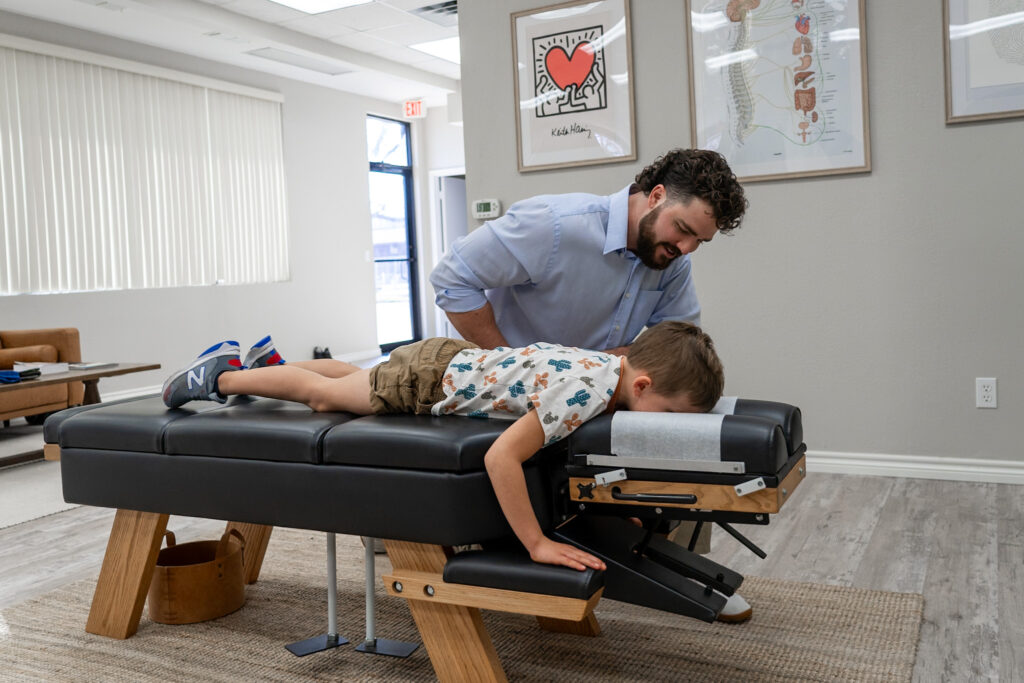
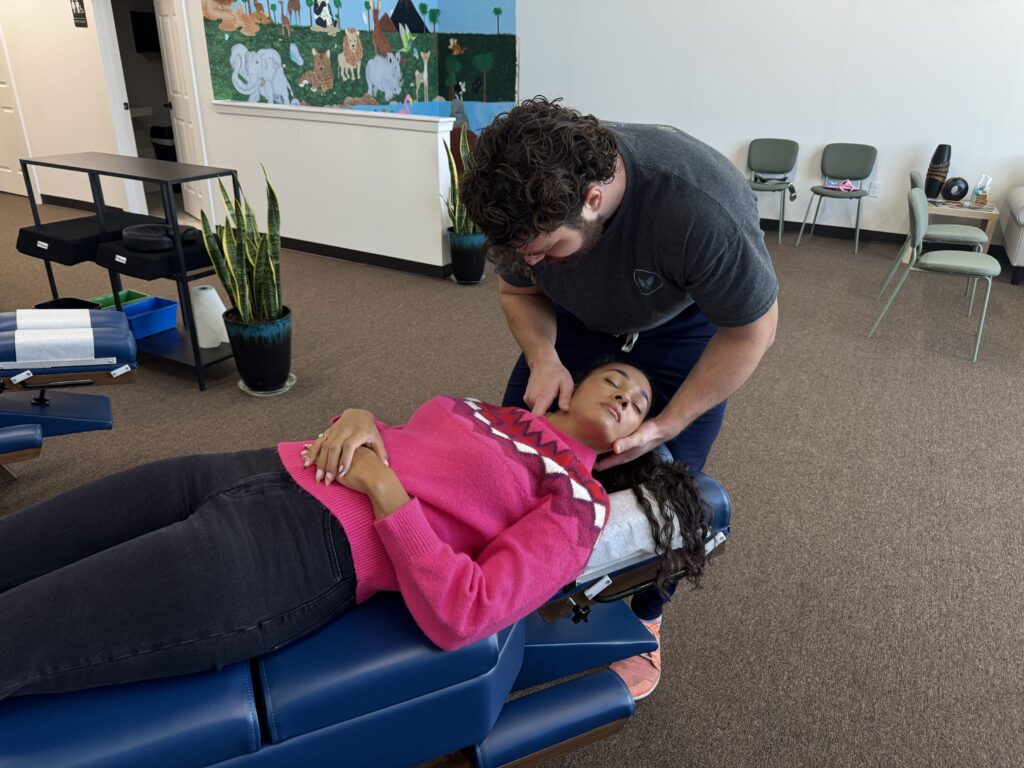
Your first visit begins with a Zone Technique assessment of the full nervous system. Dr. Korrin evaluates all six zones and identifies which spinal and sacral levels are showing interference, then assesses sacral alignment and SI joint symmetry using the Webster Technique protocol. The assessment takes 15 to 20 minutes. He will ask you to describe the pain: where it starts, how far it travels, whether it is constant or positional, and what makes it better or worse. That information helps identify whether the primary driver is lumbar nerve root compression, piriformis involvement, or a combination. Positioning is fully adapted for your trimester. Second and third trimester patients are adjusted side-lying with body pillow support. Nothing places pressure on the abdomen. The adjustments are targeted and gentle, not a general spinal manipulation. Most patients notice a change in the leg pain pattern within the first two to three visits. The SI joint and low back component typically follows. Dr. Korrin reviews care frequency before you leave the first visit. Most prenatal sciatica patients start with weekly visits, moving to every two weeks once the pattern stabilizes.Supporting Your Body Between Visits
What you do between visits affects how well the Zone Technique adjustment holds during pregnancy. For sciatica specifically, these habits make the most difference:- Sleep on your side with a pillow between your knees. This reduces rotational load on the SI joint overnight and directly supports what the Webster Technique adjustment does. Left side is preferred for circulation, but either side with the pillow is far better than without it.
- Avoid sitting for more than 45 minutes without standing. Sustained lumbar flexion compresses the nerve root and tightens the piriformis. Brief walks of two to three minutes reset the position and reduce the accumulated load.
- Avoid crossing your legs. It looks minor but creates asymmetrical load across the SI joint and rotates the pelvis in a way that worsens piriformis-driven sciatic compression specifically.
- Gentle cat-cow in the morning, slowly. Ten repetitions on hands and knees before you get up. Keep the range small. The goal is gentle motion through the lumbar and sacral joints, not a full stretch.