The diagnosis came from a school screening or a routine X-ray. The curve is measured and confirmed. Depending on the degree you have been told to monitor it, given a brace recommendation, or in more significant cases discussed surgical options. The structural curve itself is not fully reversible with chiropractic care in established cases, and any provider who tells you otherwise is not being straight with you. What Zone Technique does is address the nervous system interference and muscular asymmetry that the curve produces, and that is where most of the pain, the postural deterioration, and the functional limitation patients actually experience comes from.
What Is Scoliosis?
Scoliosis is a lateral curvature of the spine measuring more than 10 degrees on X-ray, typically accompanied by vertebral rotation at the apex of the curve. Idiopathic scoliosis accounts for approximately 80% of cases and most commonly presents in adolescents during growth spurts between ages 10 and 16. The remaining cases are congenital, neuromuscular, or degenerative in origin. Early adolescent idiopathic scoliosis is managed through observation for smaller curves, bracing for moderate curves, and surgical fusion for severe curves that are progressing rapidly. Conservative care including chiropractic fits naturally alongside the observation and bracing protocol for curves that are not yet at surgical threshold.
A systematic review in the Scoliosis and Spinal Disorders journal found that chiropractic and manual therapy approaches produce significant improvements in pain and disability in scoliosis patients, with the most consistent outcomes in pain reduction and functional improvement rather than curve correction. This is consistent with what Dr. Korrin sees at Vita Nova. The structural curve does not disappear, but the pain and the postural deterioration it drives respond meaningfully to Zone Technique care.
How Scoliosis Produces Pain and Postural Problems
The asymmetrical spinal curve produces asymmetrical mechanical load on every structure around it. The paraspinal muscles on the concave side of the curve work harder to maintain upright posture against the structural deviation. Over time they develop a chronic tension and guarding pattern that compresses the already-curved spinal segments further and produces the back pain, muscle fatigue, rib prominence, and shoulder height asymmetry that scoliosis patients describe. The nervous system interference at the levels most affected by the curve amplifies this pattern and reduces the body’s capacity to self-correct the muscular asymmetry.
For lumbar scoliosis, the altered mechanics and nerve root irritation at the apex levels frequently produce low back pain that worsens with sustained standing or activity. In curves where the vertebral rotation is significant enough to narrow the foramen on the concave side, nerve root irritation producing leg symptoms can develop at the levels of maximum rotation. For thoracic scoliosis, the rib cage asymmetry and the muscular tension pattern in the upper back produce the mid and upper back pain and shoulder height difference that is most visible to others. For cervical and cervicothoracic curves, the neck pain and postural asymmetry that results often produces headaches alongside the structural presentation.
How Dr. Korrin Approaches Scoliosis Using Zone Technique
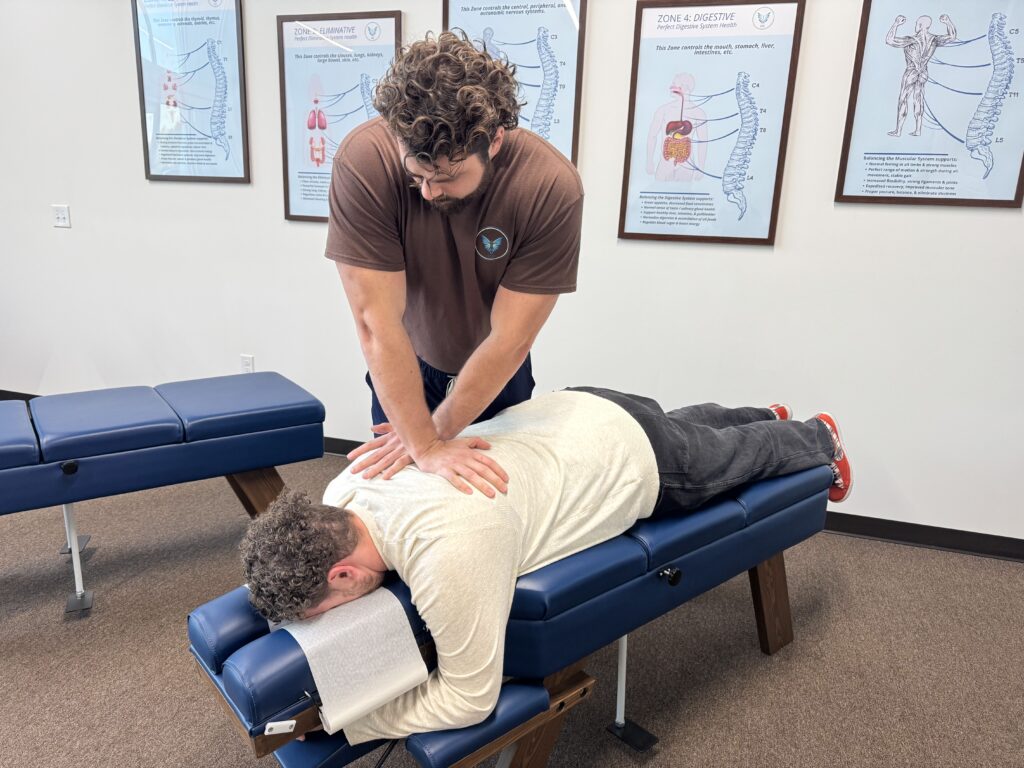
For scoliosis, Zone Technique focuses on the zones most directly involved in the muscular asymmetry and nervous system interference the curve is maintaining. The muscular zone(5) tracks the asymmetrical paraspinal tension pattern on the concave side of the curve. When Zone 5 is under interference at the thoracic and lumbar levels most affected by the curvature, the muscles on the tighter side receive a chronic overactivation signal from the nervous system that the stretching and exercise cannot override. The Zone Technique adjustment at those specific levels restores more symmetrical muscle activation and allows the postural musculature to work more evenly around the structural curve.
The nervous zone(3) governs the nerve root pathways at the levels of maximum vertebral rotation, where the foramen is most narrowed on the concave side. When Zone 3 shows interference at those levels, the nerve root irritation that is producing the pain pattern is addressed directly rather than waiting for the structural curve to improve on its own. Dr. Korrin assesses both zones at every visit and adjusts at the specific levels where interference is found, tracking changes in the muscular asymmetry pattern and the pain pattern over the course of care.
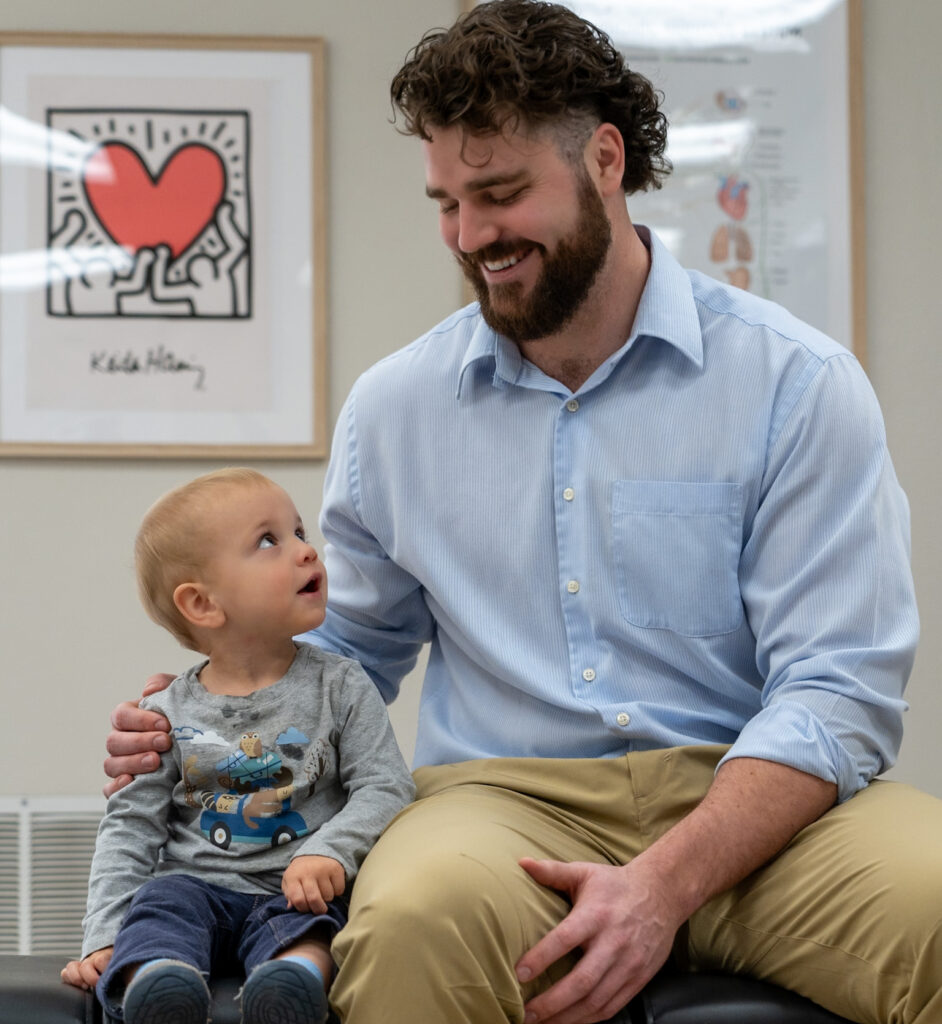
Zone Technique is not a substitute for orthopaedic monitoring of an active scoliosis curve. For adolescents whose curve is being tracked by a spine specialist, Zone Technique care fits alongside that monitoring without interfering with it. Dr. Korrin communicates with the orthopaedic team where relevant and does not make claims about curve progression that imaging does not support.
Who Presents With Scoliosis at Vita Nova
The three most consistent scoliosis presentations at Vita Nova are adolescents in the Plano ISD school system whose curve was identified through the school screening programme and whose parents are looking for something to manage the pain and postural component alongside the orthopaedic monitoring plan; adults in their 30s and 40s whose adolescent scoliosis was monitored but not treated and is now producing symptoms as degenerative changes accumulate on top of the structural asymmetry; and adults over 50 with de novo degenerative scoliosis, where the curve developed from asymmetrical disc and facet degeneration rather than adolescent idiopathic changes. All three respond to Zone Technique care through the same muscular and nervous system mechanism, even though the origin and severity of the curve differs.
What to Expect at Your First Visit
Your first visit begins with a Zone Technique assessment of the full nervous system. Dr. Korrin evaluates all six zones and identifies where interference is present, with particular focus on the thoracic and lumbar levels most affected by the curve. The assessment takes 15 to 20 minutes. Bring your most recent X-ray or imaging report if you have one. The structural picture from imaging tells Dr. Korrin which levels carry the most rotation and compression, which maps directly onto where the Zone Technique assessment should focus. He will ask about where you feel the pain, how it varies across the day, whether it is worsening over time, and whether you are in any orthopaedic monitoring or bracing protocol currently.
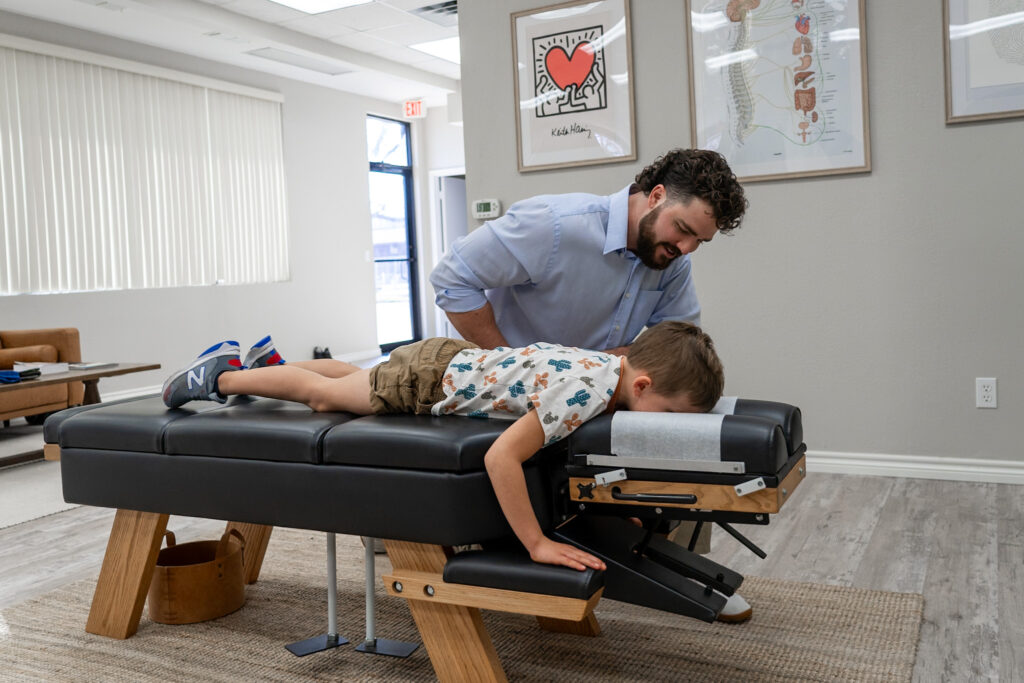
For patients whose scoliosis is producing significant postural asymmetry that has developed from years of the nervous system compensating around the curve, that postural pattern has its own Zone Technique assessment approach. For adolescent patients, the pediatric Zone Technique approach is adapted for the developing spine and coordinated with whatever school or specialist monitoring is in place. Scoliosis that developed or worsened alongside disc degeneration has a combined structural picture that Zone Technique addresses through both the muscular and nervous zone assessment simultaneously.
Dr. Korrin is accepting new patients at Vita Nova in Plano, TX. Families from across Plano, Murphy, and Richardson come to Vita Nova after the scoliosis has been diagnosed and the standard monitoring plan is in place, looking for something that addresses the pain and functional limitation the curve is producing now rather than waiting to see if it progresses. Schedule your first visit to find out what Zone Technique can do for the pain and postural asymmetry your scoliosis is producing.