

What Is Actually Driving Poor Posture?
Posture is the default output of the nervous system’s postural control system. The cerebellum, the brainstem, and the proprioceptive receptors in the cervical spine work together to maintain upright positioning automatically, without conscious effort. When the upper cervical spine is under mechanical interference, the proprioceptive input from the cervical receptors to the brainstem becomes inaccurate. The postural control system receives incorrect information about head and body position and produces a compensated output. That compensated output is the forward head posture, rounded shoulders, and collapsed thoracic curve that most people experience as their default posture.
The muscular component compounds the neurological one. The deep cervical flexors, the lower trapezius, and the rhomboids are the primary postural muscles for the head and upper back. When the nervous system is not sending them appropriate activation signals, they underfire. The superficial muscles, the upper trapezius and pectorals, compensate by overactivating. The result is the tight upper trapezius and chest, weak deep neck flexors and mid-back, pattern that is the muscular signature of forward head posture and that no stretching programme alone can permanently correct.
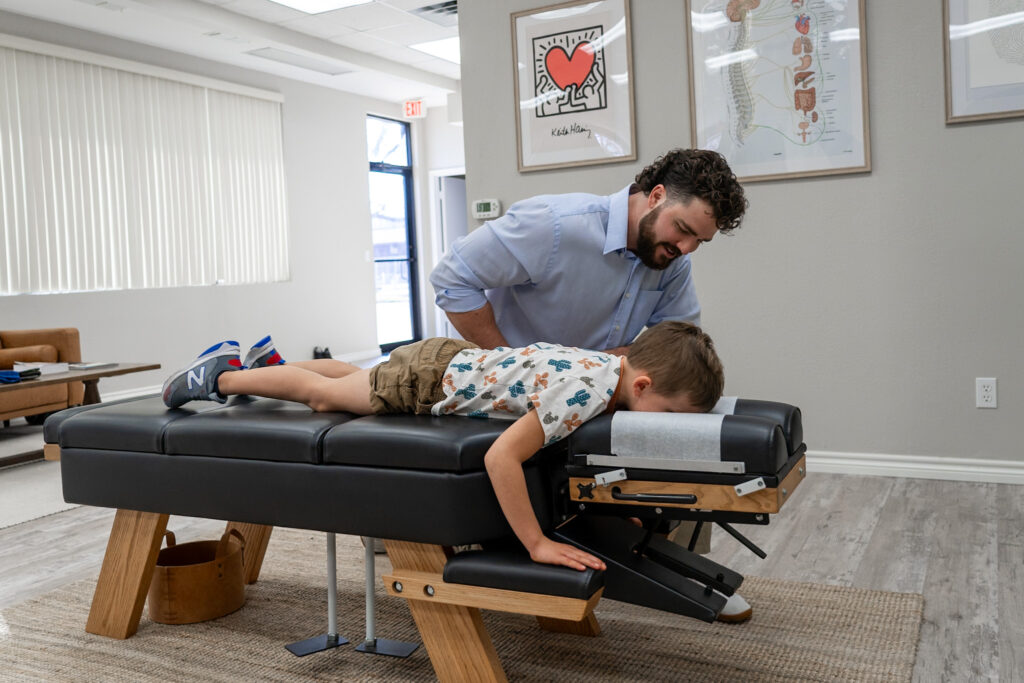
How Dr. Korrin Approaches Poor Posture Using Zone Technique
For postural presentations, Zone Technique addresses the nervous system interference driving the postural compensation pattern. The nervous zone(3) governs the proprioceptive pathways from the cervical spine to the brainstem that inform the postural control system. When Zone 3 is under interference at the upper cervical levels, the proprioceptive input is inaccurate and the postural output is compensated. Restoring Zone 3 at those levels gives the brainstem accurate position information and allows the postural control system to produce a more upright default output. The muscular zone(5) tracks the compensatory muscle activation pattern directly and is adjusted alongside Zone 3 to address the deep cervical flexor and mid-back underactivation pattern that sustains the forward head posture between visits.
Your first visit begins with a Zone Technique assessment of the full nervous system. Dr. Korrin evaluates all six zones and identifies where interference is present, with particular attention to the upper cervical and thoracic levels most relevant to postural control. The assessment takes 15 to 20 minutes. He will ask about your work setup, daily posture demands, and whether you have neck pain, upper back pain, or headaches alongside the postural pattern. Poor posture is one of the most consistent presentations in the adult practice at Vita Nova, driven by the desk work and long commuting patterns of Plano professionals and the sustained screen time that has become the norm across all age groups. Patients from Murphy and Richardson come in regularly for this presentation after months of stretching and ergonomic adjustments that address the symptom without addressing the nervous system source. Dr. Korrin is accepting new patients. Schedule your first visit to find out whether the nervous system interference pattern driving your posture is something Zone Technique can address.