
Chiropractic Care for Sensory Processing Disorder in Plano, TX
At Vita Nova Chiropractic, we provide specialized chiropractic care that helps patients find relief from Sensory Processing Disorder using a gentle approach that supports natural healing and nervous system balance. Our focus is on correcting the root cause and restoring full-body function for families throughout Plano, TX and the surrounding areas.
Dr. Korrin uses the Zone Technique to address the underlying nervous system imbalances that contribute to sensory processing challenges. This gentle, precise method helps restore proper communication between the brain and body, allowing children and adults to better process sensory information.
Because sensory processing issues often stem from nervous system dysfunction, chiropractic care offers a natural, non-invasive approach. Our family-focused practice welcomes patients of all ages seeking to improve their quality of life.
What Is Sensory Processing Disorder?
Sensory Processing Disorder (SPD) occurs when the brain struggles to receive and respond to sensory information. This can affect how a person experiences touch, sound, taste, smell, movement, and body awareness. Therefore, everyday activities that seem simple to others can become overwhelming or uncomfortable.
SPD is not just about being sensitive. Instead, it reflects how the nervous system organizes sensory input and creates appropriate responses. When this system is not functioning properly, it can impact behavior, learning, social interactions, and daily routines.
Common Causes and Contributing Factors
- Nervous system imbalances or dysregulation
- Developmental delays or interruptions
- Birth trauma or stressful delivery
- Spinal misalignments affecting nerve communication
- Genetic predisposition or family history
- Environmental stressors during early development
- Chronic illness or immune system challenges
How SPD Impacts Daily Life
- Difficulty with transitions or changes in routine
- Challenges in social settings or group activities
- Struggles with clothing textures, tags, or seams
- Avoiding certain foods due to texture or temperature
- Trouble with coordination or motor planning
- Frequent meltdowns or emotional outbursts
- Sleep disturbances or difficulty settling down
- Academic struggles or difficulty focusing
Common Symptoms of Sensory Processing Disorder
- Over-sensitivity to sounds, lights, or touch
- Under-responsiveness to pain or temperature
- Difficulty with balance or coordination
- Avoiding messy play or certain textures
- Constant movement or difficulty sitting still
- Emotional dysregulation or frequent meltdowns
- Difficulty transitioning between activities
- Poor body awareness or clumsiness
- Extreme reactions to clothing or food textures
- Difficulty with fine motor tasks like writing or buttoning
- Avoidance of swings, slides, or playground equipment
- Seeking or avoiding intense sensory input
Why Sensory Processing Disorder May Persist
Many families try various therapies, yet sensory challenges continue to interfere with daily life. While these interventions can be helpful, they may not address the underlying nervous system dysfunction that drives sensory processing issues.
Root Causes Often Overlooked
- Nervous system dysregulation: The brain and body cannot communicate effectively, leading to confused sensory signals
- Spinal misalignments: Subluxations interfere with nerve pathways that carry sensory information
- Postural stress: Poor alignment creates tension that affects how the body processes input
- Movement dysfunction: Restricted mobility limits sensory feedback and development
- Accumulated stress load: Physical, chemical, and emotional stressors overwhelm the nervous system’s ability to adapt
- Vagus nerve interference: Disruption to this critical nerve affects regulation and sensory integration
How Chiropractic Care Helps Sensory Processing Disorder
Chiropractic care focuses on optimizing nervous system function by correcting spinal misalignments and reducing interference. Because the nervous system controls how we process sensory information, improving its function can lead to better sensory integration and regulation.
Nervous System Connection
- The central nervous system coordinates all sensory input and creates appropriate responses
- Spinal misalignments create interference that disrupts communication between the brain and body
- When nerve pathways function properly, sensory information flows more efficiently
- Chiropractic adjustments remove interference, allowing the nervous system to process input more effectively
- Improved nervous system balance supports better self-regulation and adaptation to sensory experiences
- The vagus nerve, which plays a key role in calming responses, functions better with proper spinal alignment
The Zone Technique Approach
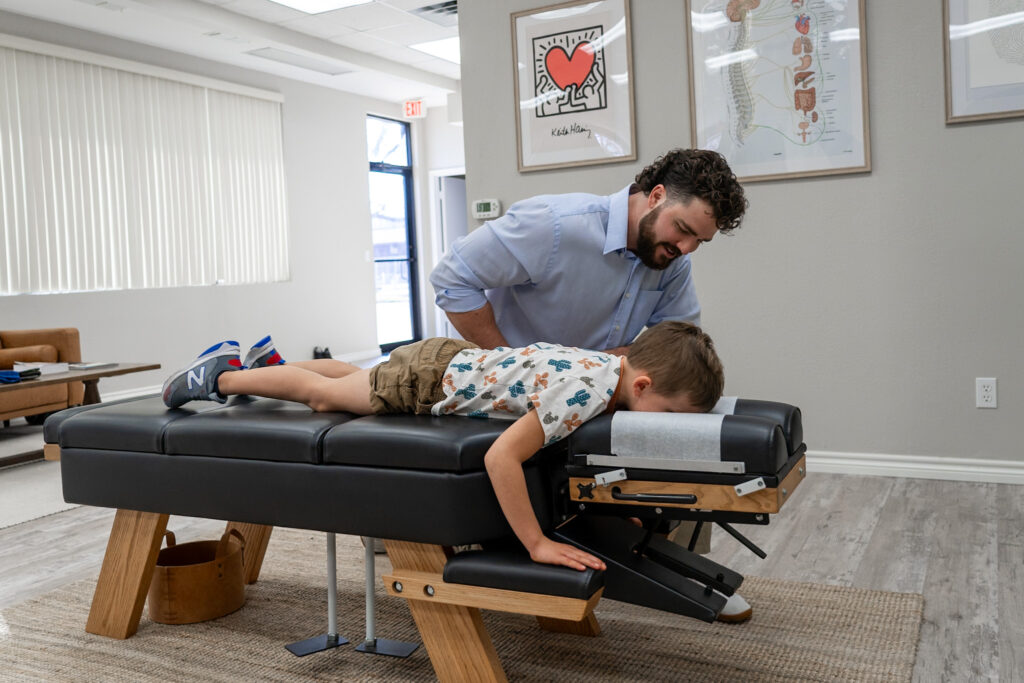
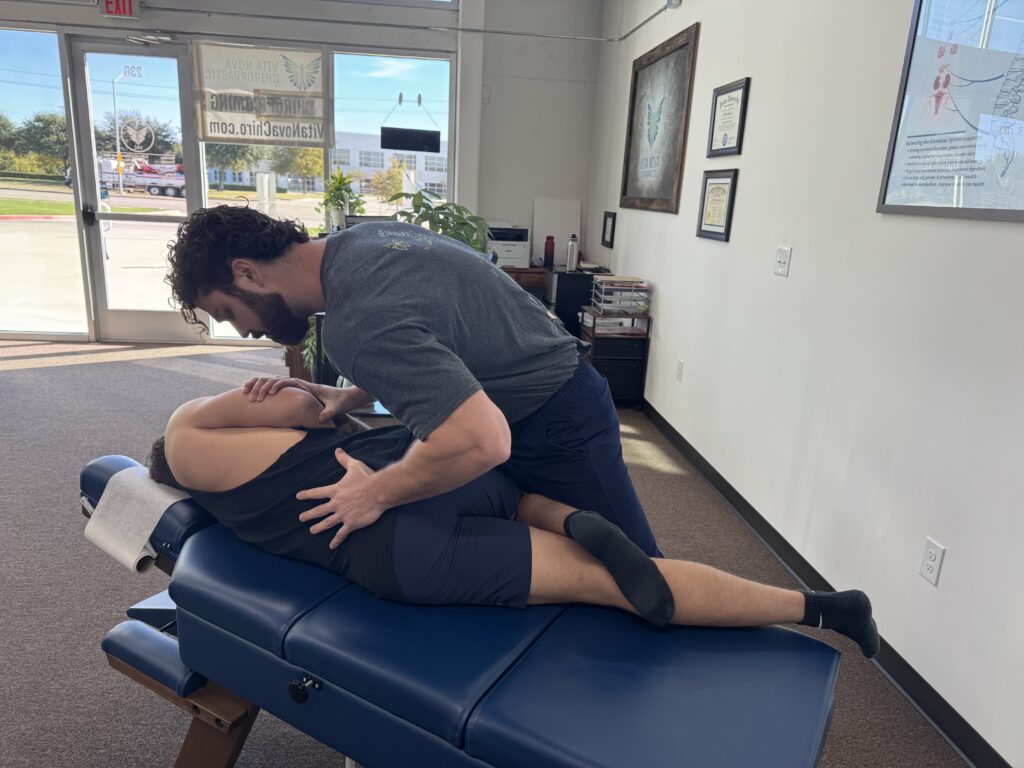
Dr. Korrin uses the Zone Technique, a gentle and precise method that identifies and corrects imbalances in six key systems of the body. This approach is particularly effective for sensory processing challenges because it addresses the root nervous system dysfunction.
- Identifies specific areas of nervous system interference through careful assessment
- Uses gentle adjustments to restore balance to the glandular, elimination, nervous, digestive, muscular, and circulatory systems
- Helps the body return to a state of regulation and proper function
- Supports the brain’s ability to organize and process sensory information
- Creates lasting changes by addressing the underlying cause rather than masking symptoms
- Safe and effective for patients of all ages, including infants and children
What We Address During Care
- Spinal misalignments that interfere with nerve communication
- Nerve interference affecting sensory pathways
- Muscle imbalances that impact posture and movement
- Postural strain from compensatory patterns
- Movement compensation patterns that limit sensory feedback
- Stress responses that keep the nervous system in a heightened state
Scientific Evidence Supporting Chiropractic & Sensory Processing Disorders
Research on Nervous System Regulation & Sensory Integration
Frontiers in Human Neuroscience – Autonomic Nervous System Dysregulation and Neurodevelopmental Conditions
examined how imbalances in autonomic nervous system activity may influence sensory processing, emotional regulation, and adaptive responses in children. Research highlights the importance of balanced nervous system function in supporting sensory integration and developmental progress.
Journal of Manipulative and Physiological Therapeutics – Chiropractic Care in Pediatric Neurological and Developmental Conditions: A Review
reviewed clinical observations involving children receiving chiropractic care for neurodevelopmental concerns. While emphasizing the need for continued research, findings suggested potential improvements in quality of life and overall nervous system regulation with conservative care.
Why Choose Vita Nova Chiropractic for Sensory Processing Support
- Specialized training in pediatric and family chiropractic care
- Gentle, precise techniques safe for all ages
- Focus on nervous system function rather than just symptom management
- Personalized care plans tailored to each patient’s unique needs
- Family-centered practice welcoming children, adults, and expectant mothers
- Trusted by families throughout Plano, Murphy, and Richardson
- Collaborative approach that complements other therapies
- Commitment to education and empowering families
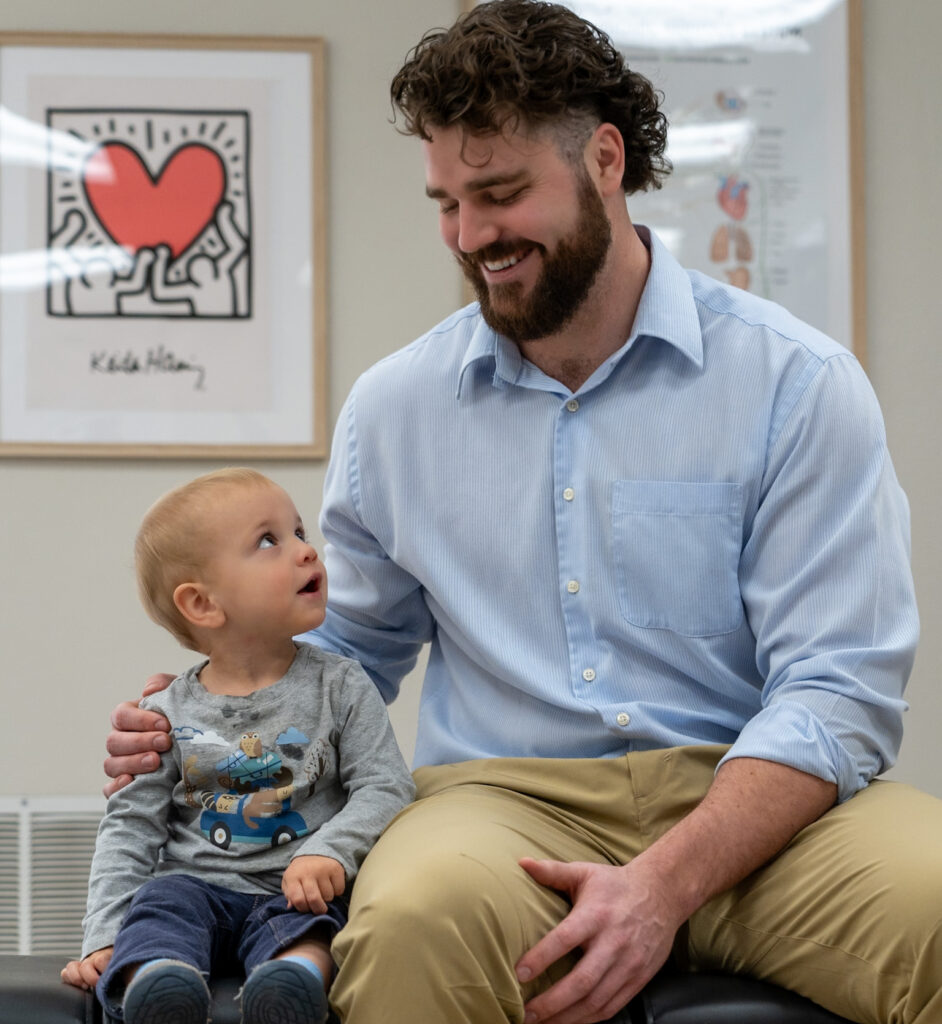
- Comfortable, welcoming environment designed for children
What to Expect During Your Visit
Your first visit begins with a thorough consultation where Dr. Korrin learns about your child’s health history, sensory challenges, and daily experiences. We take time to understand your family’s goals and concerns. This allows us to create a personalized care plan that addresses your child’s specific needs.
After the consultation, Dr. Korrin performs a gentle examination to assess nervous system function and identify areas of interference. However, all assessments are non-invasive and adapted to your child’s comfort level. Many children find the process interesting and calming.
First Visit Process
- Comprehensive health history and consultation
- Gentle nervous system assessment using the Zone Technique
- Explanation of findings in clear, understandable terms
- Personalized care recommendations based on your child’s needs
- Opportunity to ask questions and discuss concerns
- First gentle adjustment if appropriate
Want to learn more about our process? Visit our what to expect page for detailed information.
Schedule Your Appointment Today
If your child struggles with sensory processing challenges, we invite you to discover how chiropractic care can help. Dr. Korrin and our team at Vita Nova Chiropractic are here to support your family’s journey toward better health and function.
We offer flexible scheduling to accommodate busy families in Plano, Murphy, and Richardson. Contact us today to schedule your initial consultation and take the first step toward helping your child thrive.
Frequently Asked Questions
Is chiropractic care safe for children with sensory processing disorder?
Yes, chiropractic care is extremely safe for children when performed by a trained pediatric chiropractor. Dr. Korrin uses the Zone Technique, which involves gentle, precise touches rather than forceful adjustments. Many children find the care calming and relaxing. Therefore, it’s well-suited for children with sensory sensitivities.
How long does it take to see improvements in sensory processing?
Every child responds differently based on their unique nervous system and health history. However, many families notice subtle changes within the first few weeks of care, such as improved sleep or better emotional regulation. Because we’re addressing root causes, lasting changes develop over time with consistent care. Dr. Korrin will discuss realistic expectations during your consultation.
Can chiropractic care replace occupational therapy for SPD?
Chiropractic care and occupational therapy address different aspects of sensory processing challenges and often work well together. While occupational therapy teaches coping strategies and skills, chiropractic care optimizes the nervous system function that underlies sensory processing. Many families find that combining both approaches provides the best results.
What age should my child start chiropractic care for sensory issues?
Children can benefit from chiropractic care at any age, including infancy. In fact, earlier intervention often leads to better outcomes because the nervous system is more adaptable in younger children. Dr. Korrin has specialized training in pediatric care and adjusts techniques based on your child’s age, size, and needs.
Does insurance cover chiropractic care for sensory processing disorder?
Insurance coverage varies depending on your specific plan and provider. While some insurance plans cover chiropractic care, others may not include it for sensory processing concerns. Our team can help you understand your benefits and explore payment options. We believe every child deserves access to quality care, so we work with families to make care affordable.