
About the Author
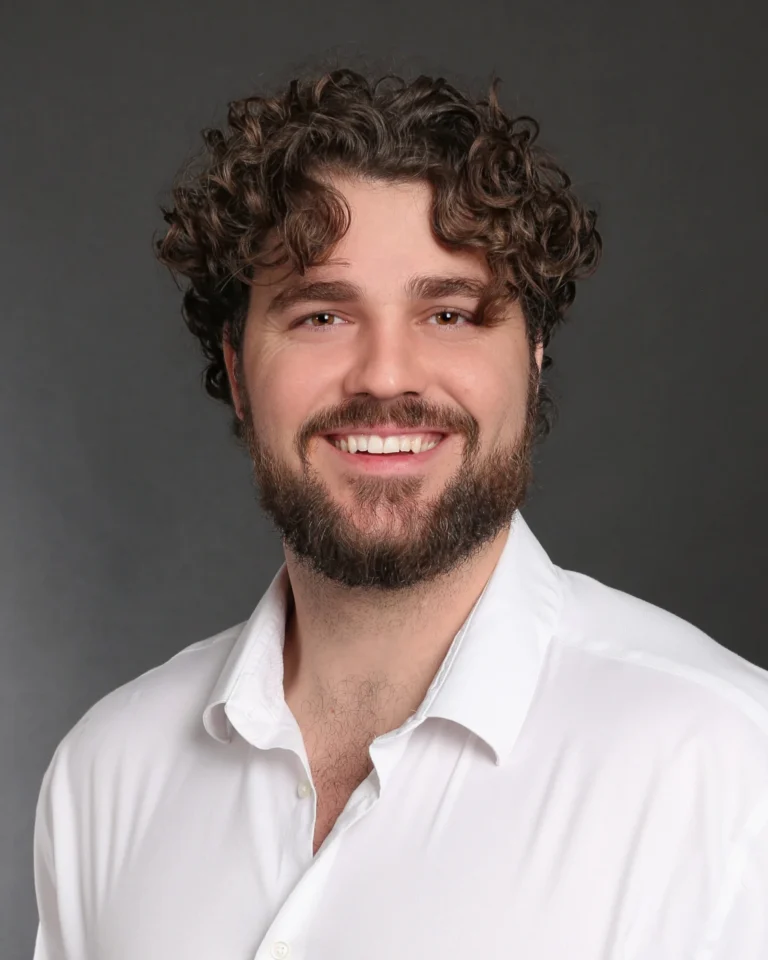
Founder of Vita Nova Chiropractic in Plano, TX
Zone Technique CertifiedWebster Certified (ICPA)
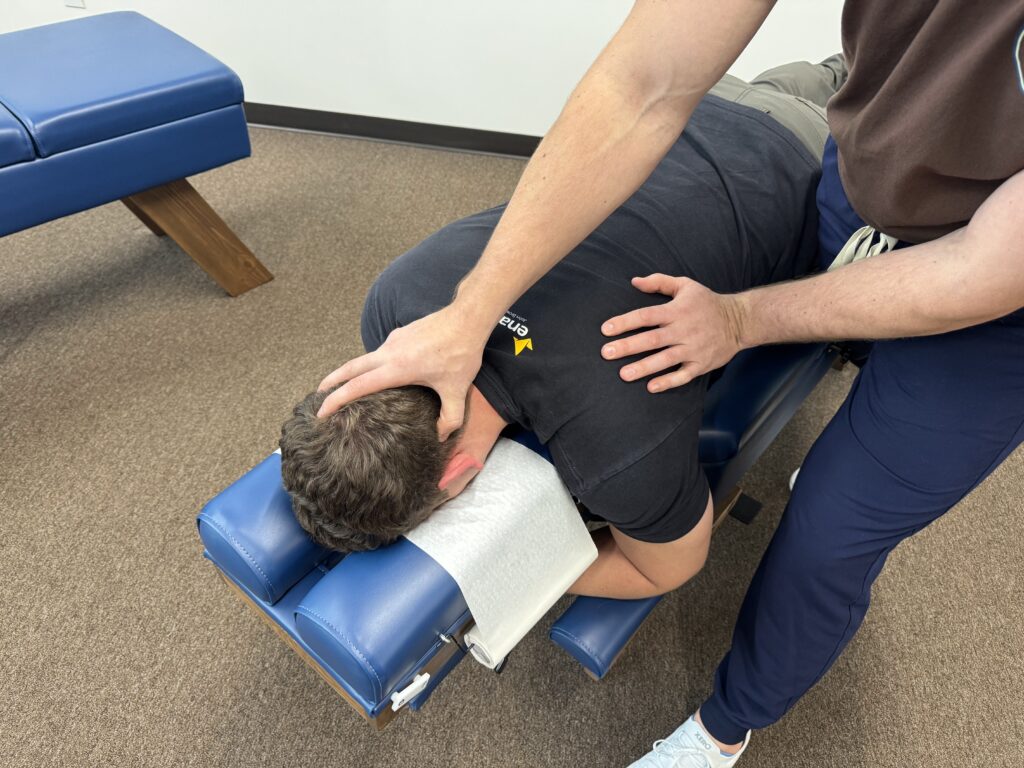
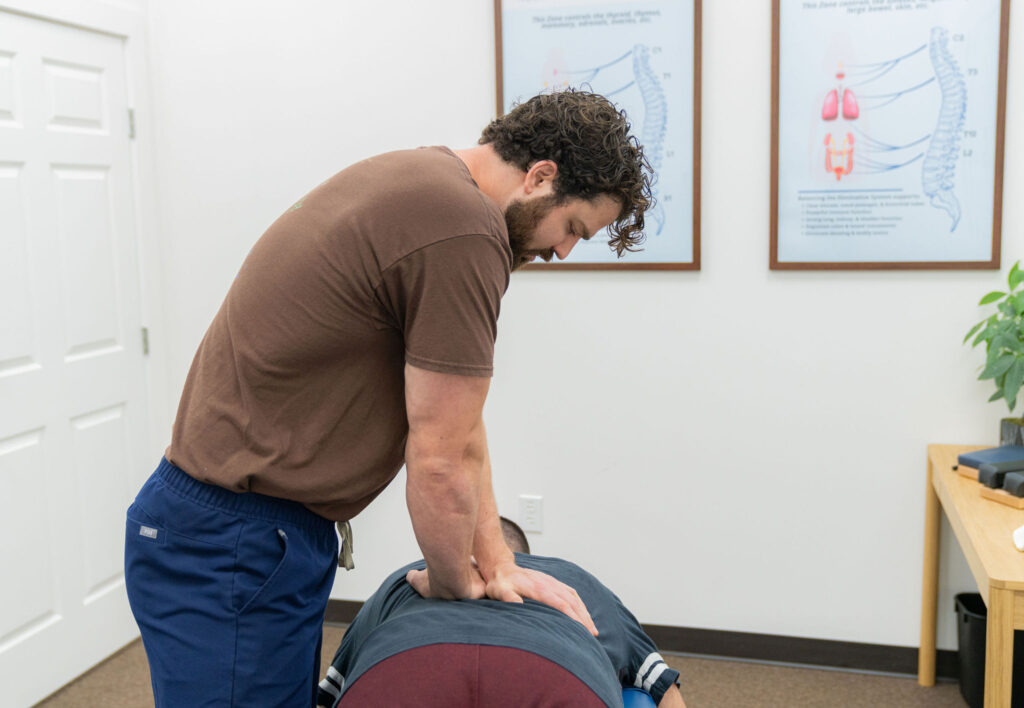
A Plano native, Dr. Korrin earned his Doctor of Chiropractic from Parker University in Dallas and now cares for families from newborns to adults. Every visit starts with Zone Technique, checking all six zones of the nervous system before deciding where to adjust.
Trusted feedback from those who’ve experienced our care firsthand.
Posted on Google
 Donna Valentino8 October 2026
Trustindex verifies that the original source of the review is Google.
Dr. Korrin made a huge difference in the way my body moves after surviving a life-altering accident that left me with a TBI and other injuries. I am so impressed with his technique and his attitude that healing happens.
Owner's reply
It is heartwarming to hear that our care made such a significant difference in your health. The power that made the body HEALS the body! Thank you for trusting us with your health! -Dr. KorrinPosted on Google Iris Galindo7 October 2026Dr. Korrin is an exceptional chiropractor. I had chronic neck pain for over 2 and a half years. I no longer have that pain! He listened to me patiently, and was kind , compassionate, and encouraging. I recommend him wholeheartedly!
Owner's reply
It was so great to work with you and see you progress as your body healed itself so that you no longer have any neck discomfort. Thank you for trusting us with your health! -Dr. KorrinPosted on Google Shenae Gerricks7 October 2026My first experience with a chiropractor and I’d definitely recommend Dr. Korean to anyone. Very friendly and informative and makes you feel comfortable. I felt great after every appointment.
Owner's reply
I am so glad you felt comfortable in our space and am truly honored to be trusted with your health! -Dr. KorrinPosted on Google Ivana Diaz17 September 2026I just completed my 60 day experience with Dr. Korrin, and it has been amazing!! He works with your schedule, he listens to your feedback, and takes care with the service he provides. I was absolutely terrified of going to a chiropractor (fear of being accidently paralyzed), which I admited on day 1. He was very kind and didn't take offense and instead reassured me in the process. I've lived with extreme lower back pain for 18 years, after my epidural with my first child, I assumed there wasn't much that could done to alleviate the pain aside from the over the counter medications. I had so much relief after that first week and within the first month I found myself being able to sit cross legged on the floor for over an hour something I hadnt been able to do for more than 5 mins at a time. I feel great, and I plan to continue my visits! Thank you so much Dr. Korrin for all of you help!!!!
Owner's reply
This makes me so happy to read! Another testament to the power the body has to heal. It has been an honor to work alongside you in your health so thank you for trusting us with your care! -Dr. KorrinPosted on Google Mark Royal15 September 2026Wonderful experience with immediate results!
Owner's reply
Glad to hear you had a great experience! Thank you for your trust. -Dr. KorrinPosted on Google Shadia Greer13 September 2026I truly can’t imagine going through my first pregnancy without regular chiropractic care from Dr. Korrin! His adjustments made such a huge difference in how comfortable I felt throughout pregnancy and helped keep the aches, pains, and discomforts minimal and manageable, even through a Texas summer! I genuinely feel like staying consistent with my chiropractic care helped my body stay in a great place leading up to birth. I was induced with my first baby and even went in for an adjustment on my way to the hospital. After my water broke, I went from 4.5 cm to fully dilated in less than 3 hours, pushed for about 16 minutes, and delivered our 8 lb 1 oz baby girl after just 6 pushes. I honestly don’t think my pregnancy and birth would have gone as smoothly as they did without Dr. Korrin’s help! I’m so thankful for Dr. Korrin’s care throughout my pregnancy and postpartum, and I know I’m in good hands with him caring for me, our baby, and our family moving forward. I truly can’t recommend him enough!!
Owner's reply
That is your body performing exactly the way it was designed to. We are so honored to have been part of your pregnancy, your birth, and now your growing family. Thank you for trusting us with your care. – Dr. KorrinPosted on Google Mary Beth27 August 2026Before treatment, I had lost hope in my mobility and truly believed I would end up wheelchair-bound due to osteopenia affecting one side of my body, osteoporosis affecting the other, along with vitamin deficiencies and many other ailments that made it difficult to see anything positive ahead. After years of hopelessness and feeling ready to give up, I finally found renewed hope and healing through Dr. Korrin’s compassionate care and unwavering support. I am and will forever be grateful for Dr. Korrin and the care I’ve received, as well as for the countless others who will have the pleasure of experiencing it too. Thanks to his dedication and expertise, I’ve regained movement, comfort, and a sense of my life back. This journey has helped me physically, mentally, and spiritually, and for the first time in a long time, I’m genuinely looking forward to the future. Although this is still a work in progress, I’ve already come so far. I’m now much more involved with my children and grandchild, with another little one on the way! I feel beyond blessed and thankful for the progress I’ve made and the hope I’ve regained. Thank you, Dr. Korrin, more than you know and more than words could ever express. I can’t wait to see what the future holds. God bless! MaryBeth (Mimi)
Owner's reply
What you carried into that first visit, and what you are carrying now, are two very different things. The courage it takes to keep showing up when hope feels gone is something we do not take lightly, and watching you come back to yourself, to your children, to your grandchild, to the little one on the way, has been one of the greatest honors of this work. You did this. We are just grateful we got to be part of it. Thank you for trusting us with your care, God bless you! -Dr. KorrinPosted on Google Miia Olivarez7 August 2026Since my junior year of high school, i’ve been struggling with excruciating back pain due to an accident. With countless doctor’s appointments, medication, and physical therapy, nothing seemed to provide me any type of comfort. I was overwhelmed and broken not only physically, but also emotionally and mentally. However, just with one single appointment, I had immediate relief, more range of motion, and an abundance of hope that just maybe I won’t live life in pain like this forever. Throughout these past couple of weeks, I thank God that he joined me together with Dr. Korrin and used his gifts to impact my life in such a significant way. I can confidently say as I begin college this Friday, I will walk pain-free, with a forever praise that God is good. Thank you Dr. Korrin!
Owner's reply
Stories like this is exactly why I love my job. It is amazing to see the body heal with a little encouragement! We are so honored God placed us in your path and that you trusted us with your health. Have the best time at college! -Dr. KorrinPosted on Google Jessica Fergen7 August 2026I’ve been seeing Dr Korrin on and off for several months. I really like his approach which is more integrated angle gentle than just cracking stuff. His schedule and availability are flexible and he’s helped me with a lot of things like really bad headaches and a fair amount of misalignments that my body is prone to.
Owner's reply
Watching your body respond and build resilience over these months has been great to see. Thank you for trusting us with your care! – Dr. KorrinPosted on Google Jake D.6 August 2026Incredible care consistently! After being adjusted by Dr. Taylor multiple times I have noticed a significant improvement in how I am feeling in my body! I would recommend receiving an adjustment from him if you care about yours!
Owner's reply
So glad you are noticing the difference in how your body feels. Thank you for trusting us with your care! – Dr. KorrinPosted on Google saucey. swole4 August 2026Korrin Taylor knows how to get you back moving again! He correctly pointed out my pain areas and adjusted them accordingly. I IMMEDIATELY felt a relief in my back and spine. I felt so relaxed afterwards I wanted to take a nap! Excellent customer service and care. Thank you Dr. Taylor!
Owner's reply
Immediate relief and ready for a nap afterwards, that is the nervous system doing exactly what it should! So glad you felt the difference right away. Thank you for trusting us with your care. – Dr. KorrinPosted on Google David Taylor4 August 2026Great experience. Dr. Taylor was able to see me as soon as I got there. He was able to assess and alleviate my problems quickly. His very skilled and has a great bedside manner.
Owner's reply
So glad we could get you in right away and get you feeling better quickly. That is exactly the experience we want every patient to have. Thank you for trusting us with your care. – Dr. KorrinLoad moreVerified by TrustindexTrustindex verified badge is the Universal Symbol of Trust. Only the greatest companies can get the verified badge who has a review score above 4.5, based on customer reviews over the past 12 months. Read more
Monday 9:30am – 12:30pm, 3:00pm – 6:00 pm
Tuesday 9:30am – 12:30pm, 3:00pm – 6:00 pm
Wednesday 9:30am – 12:30pm, 3:00pm – 6:00 pm
Thursday 9:30am – 12:30pm, 3:00pm – 6:00 pm
Friday: Closed
Saturday: Closed
Sunday: Closed