
Emotional Control Chiropractor in Plano, TX
Discover safe, gentle chiropractic care for children struggling with emotional regulation—focused on correcting the root cause and restoring full-body function in Plano, TX and surrounding areas.
At Vita Nova Chiropractic, we provide specialized care that helps children find relief from emotional control challenges using a gentle, neurologically focused approach. Our care supports natural healing and nervous system balance.
When a child struggles with emotional outbursts, meltdowns, or difficulty managing frustration, it affects the entire family. Therefore, we focus on addressing the underlying nervous system dysfunction that may contribute to emotional dysregulation rather than simply managing symptoms.
What Is Emotional Control?
Emotional control refers to a child’s ability to manage emotions, respond appropriately to stress, and regulate their mood in different situations. When this ability is compromised, children may experience frequent tantrums, meltdowns, anxiety, or difficulty transitioning between activities.
Many parents describe their child as being “stuck in fight or flight” or unable to “calm down” once upset. These behaviors are often connected to how the nervous system processes stress and regulates emotional responses.
Several factors can contribute to emotional control challenges in children. These include nervous system imbalances, spinal misalignments, birth trauma, developmental stress, and chronic overstimulation. Because the nervous system controls how the body responds to stress, dysfunction in this system may lead to heightened emotional reactivity and difficulty self-regulating.
Emotional dysregulation affects more than just behavior. It impacts sleep quality, social interactions, learning, and overall family well-being. However, when the nervous system is functioning optimally, children are better equipped to manage emotions, adapt to change, and respond calmly to everyday challenges.
Common Symptoms of Emotional Control Challenges
- Frequent tantrums or meltdowns over minor issues
- Difficulty calming down once upset
- Explosive anger or sudden emotional outbursts
- Anxiety or excessive worrying
- Difficulty transitioning between activities
- Heightened sensitivity to sounds, textures, or changes
- Mood swings throughout the day
- Low frustration tolerance
- Trouble managing disappointment or unexpected changes
- Sleep disturbances related to emotional stress
- Difficulty focusing or sitting still
- Social challenges with peers or siblings
Why Emotional Control Challenges May Persist
Many children continue to struggle with emotional regulation despite behavioral interventions or dietary changes. This often happens because the underlying nervous system dysfunction has not been addressed.
- Spinal Misalignments – Misalignments in the neck and upper spine may interfere with nerve communication between the brain and body, affecting emotional regulation.
- Nervous System Imbalance – When the nervous system is stuck in sympathetic overdrive (fight or flight), children may struggle to access calm, parasympathetic function.
- Birth Trauma – Stress during birth, including C-sections, forceps delivery, or long labor, can create tension in the spine and nervous system that affects emotional development.
- Developmental Stress – Falls, injuries, or developmental milestones can create structural shifts that impact nervous system function over time.
- Chronic Overstimulation – Constant sensory input from screens, noise, and busy schedules can overwhelm a child’s nervous system, making emotional regulation more difficult.
- Underlying Nerve Interference – Even without pain, nerve interference can disrupt how the body processes stress and manages emotional responses.
Because the nervous system controls every function in the body, including emotional responses, addressing spinal health and nervous system balance is essential for supporting long-term emotional regulation.
How Chiropractic Care Helps with Emotional Control
Emotional control is not just a behavioral issue—it is deeply connected to nervous system function. Because the nervous system regulates how the body responds to stress, dysfunction in the spine may interfere with a child’s ability to self-regulate emotions and manage stress effectively.
Chiropractic care addresses the root cause by restoring spinal alignment and supporting nervous system balance. This allows the body to function more efficiently and helps children respond to stress with greater calm and resilience.
Nervous System Connection
- Brain-Body Communication – The spine protects the central nervous system, which controls emotional regulation. Misalignments in the spine may disrupt this communication.
- Fight or Flight Response – When the nervous system is stuck in sympathetic overdrive, children may be more reactive, anxious, or easily overwhelmed.
- Vagus Nerve Function – The vagus nerve helps the body shift into a calm, parasympathetic state. Spinal dysfunction in the upper neck may interfere with vagus nerve function.
- Stress Response Regulation – Chiropractic adjustments help reduce nervous system stress, allowing the body to respond more appropriately to everyday challenges.
- Emotional Processing – A balanced nervous system supports better emotional processing, helping children manage frustration, disappointment, and transitions more effectively.
The Zone Technique Approach
At Vita Nova Chiropractic, we use the Zone Technique, a gentle, neurologically based method that focuses on balancing six systems in the body. This approach is especially effective for children because it addresses the root cause of nervous system dysfunction rather than simply treating symptoms.
- Identifies Imbalances – The Zone Technique helps identify which systems in the body are out of balance, including the glandular system (which regulates emotions and stress hormones).
- Restores Nervous System Function – Gentle adjustments restore proper communication between the brain and body, supporting better emotional regulation and stress management.
- Reduces Sympathetic Overdrive – By calming the nervous system, the Zone Technique helps children shift out of fight or flight and into a more balanced state.
- Supports Emotional Resilience – As the nervous system becomes more balanced, children develop greater emotional resilience and the ability to adapt to stress more effectively.
- Safe and Gentle – The Zone Technique is extremely gentle, making it ideal for infants, children, and families seeking a non-invasive approach to nervous system care.
- Supports Long-Term Health – Ongoing care helps maintain nervous system balance, supporting emotional development and overall well-being as children grow.
What We Address During Care
- Spinal Misalignments – Correcting misalignments in the neck and upper spine to restore proper nerve function.
- Nerve Interference – Reducing nerve interference that may contribute to emotional dysregulation and stress responses.
- Nervous System Balance – Supporting the shift from sympathetic overdrive to a calm, balanced state.
- Postural Stress – Addressing postural imbalances that may affect nervous system function and emotional regulation.
- Developmental Patterns – Supporting healthy developmental patterns that encourage optimal nervous system function as children grow.
Understanding the Connection Between Emotional Control and the Nervous System
Think of Your Nervous System Like a Thermostat
Imagine your nervous system as a thermostat that regulates your child’s emotional temperature. When everything is working properly, the thermostat keeps the temperature comfortable—calm, balanced, and adaptable.
However, when the thermostat is stuck on “high heat” (sympathetic overdrive), even small stressors can cause emotional outbursts or meltdowns. Because the nervous system cannot shift into a calm state, children remain reactive and overwhelmed.
Spinal misalignments and nerve interference can disrupt the nervous system’s ability to regulate this emotional thermostat. Therefore, chiropractic care works to restore proper function, allowing the nervous system to shift between active and calm states appropriately.
When the nervous system is balanced, children are better able to manage emotions, respond to stress, and transition smoothly between activities. This creates a foundation for emotional resilience and long-term well-being.
Scientific Evidence Supporting Chiropractic & Emotional Regulation
Research on Chiropractic Care & Nervous System Function
2003 study published in the Journal of Manipulative and Physiological Therapeutics
investigated the effects of spinal manipulation on autonomic nervous system activity. Researchers observed measurable changes in heart rate variability, suggesting that chiropractic adjustments may influence the balance between sympathetic (“fight-or-flight”) and parasympathetic (“rest-and-digest”) nervous system responses.
2014 study published in Frontiers in Human Neuroscience
examined how spinal adjustments affect brain processing and sensorimotor integration. The findings suggested that chiropractic care may alter cortical activity related to body awareness and stress responses, supporting improved nervous system regulation.
While chiropractic care does not treat mental health disorders directly, research suggests that optimizing spinal alignment and nervous system communication may support healthy stress regulation, improved autonomic balance, and overall emotional resilience.
Why Choose Vita Nova Chiropractic in Plano, TX
At Vita Nova Chiropractic, we specialize in pediatric chiropractic care that is gentle, safe, and effective for children of all ages. Because we understand the unique challenges families face when a child struggles with emotional control, we provide compassionate, personalized care that addresses the root cause.
- Pediatric Expertise – Dr. Korrin has advanced training in pediatric and prenatal chiropractic care, ensuring your child receives specialized, age-appropriate treatment.
- Gentle, Neurologically Focused Care – We use the Zone Technique, a safe and gentle approach designed to support nervous system balance without forceful adjustments.
- Family-Centered Practice – We treat the whole family, offering care that supports parents, children, and siblings in achieving optimal health together.
- Personalized Care Plans – Every child receives a personalized care plan tailored to their specific needs and goals.
- Trusted in the Community – We proudly serve families in Plano, Murphy, and Richardson, building lasting relationships with the families we serve.
Our goal is to help your child thrive by supporting their nervous system health and empowering their body’s natural ability to heal. Therefore, we focus on long-term wellness rather than temporary symptom relief.
What to Expect During Your First Visit
Your child’s first visit to Vita Nova Chiropractic is designed to be comfortable, thorough, and informative. We understand that many children may feel nervous about chiropractic care, so we take time to create a welcoming, calm environment.
During the initial consultation, we will discuss your child’s health history, including any birth trauma, developmental milestones, and current emotional or behavioral challenges. This helps us understand the full picture of your child’s health.
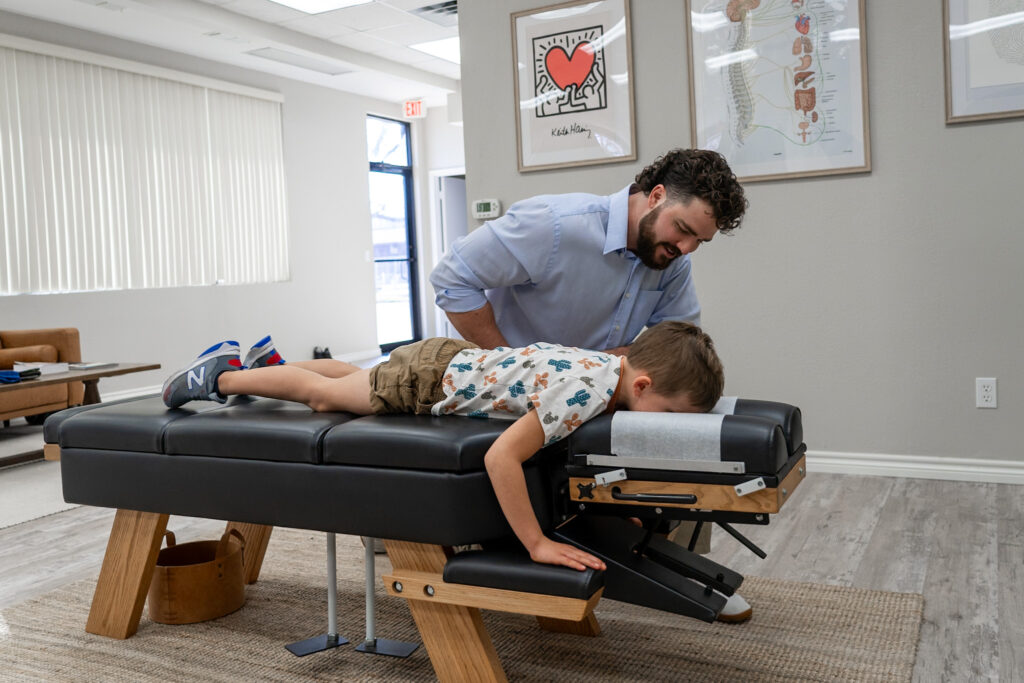
Next, we perform a gentle, non-invasive assessment to evaluate spinal alignment and nervous system function. Because children are not small adults, we use specialized techniques designed specifically for pediatric care.
After the evaluation, we will explain our findings and create a customized care plan tailored to your child’s needs. Our adjustments are extremely gentle—often described as lighter than the pressure used to test a ripe tomato.
To learn more about your first visit, please visit our What to Expect page.
Schedule an Appointment with an Emotional Control Chiropractor in Plano, TX
If your child is struggling with emotional outbursts, meltdowns, or difficulty managing emotions, chiropractic care may help. At Vita Nova Chiropractic, we are committed to helping children and families achieve nervous system balance and long-term wellness.
We serve families in Plano, Murphy, Richardson, and the surrounding areas. Our friendly staff is here to answer your questions and make scheduling simple and convenient.
Ready to take the first step toward better emotional regulation for your child? Schedule now to book your first appointment and discover how gentle, neurologically focused chiropractic care can make a difference.
Frequently Asked Questions
Is chiropractic care safe for children with emotional control challenges?
Yes, chiropractic care is extremely safe for children. The adjustments used at Vita Nova Chiropractic are gentle and specifically tailored to pediatric patients. Therefore, parents can feel confident that their child is receiving safe, effective care.
How soon will I see improvements in my child’s emotional regulation?
Every child responds differently to care. However, many parents report improvements in emotional resilience, sleep quality, and behavior within the first few visits. Because we focus on nervous system balance, results build over time with consistent care.
Does chiropractic care replace therapy or behavioral interventions?
Chiropractic care is not a replacement for therapy or behavioral interventions. Instead, it works alongside other approaches to support nervous system function and help children respond better to other forms of care. Therefore, many families find that chiropractic care enhances the effectiveness of other interventions.
What is the Zone Technique, and how does it help with emotional control?
The Zone Technique is a gentle, neurologically based approach that identifies and corrects imbalances in six key systems of the body. By restoring nervous system balance, it helps children regulate emotions, manage stress, and respond more calmly to challenges.
Can chiropractic care help with anxiety and meltdowns?
Yes, many children who receive chiropractic care experience improvements in anxiety, meltdowns, and emotional outbursts. Because the nervous system controls how the body responds to stress, addressing spinal misalignments and nerve interference may support better emotional regulation.
“`