

Your child acts before they think. They interrupt, they grab, they react before processing. In moments of high emotion the brakes simply do not engage fast enough. Impulsivity is an inhibitory control deficit, not a willful disregard for rules. The inhibitory control system in the prefrontal cortex depends on clear nervous system communication from the brainstem. When that pathway is under interference, the inhibitory signal that should slow the response before it becomes action arrives too late or too weakly to make a difference.
What Could Be Driving Impulsivity?
Inhibitory control, the neural function that puts a pause between stimulus and response, is governed by the prefrontal cortex in coordination with the basal ganglia and the ascending arousal system. The brainstem and upper cervical levels at C1 and C2 provide the foundational regulation for that ascending arousal pathway. When those levels are under mechanical interference, the prefrontal cortex receives disrupted input and inhibitory control weakens. The child cannot pause the response before it happens. Impulsivity in this context is not a choice deficit but a signal processing deficit in the nervous system pathway governing behavioral inhibition. It most commonly presents as part of ADHD or behavioral challenges but can occur without a formal diagnosis when upper cervical interference is the primary driver.
How Dr. Korrin Approaches Impulsivity Using Zone Technique
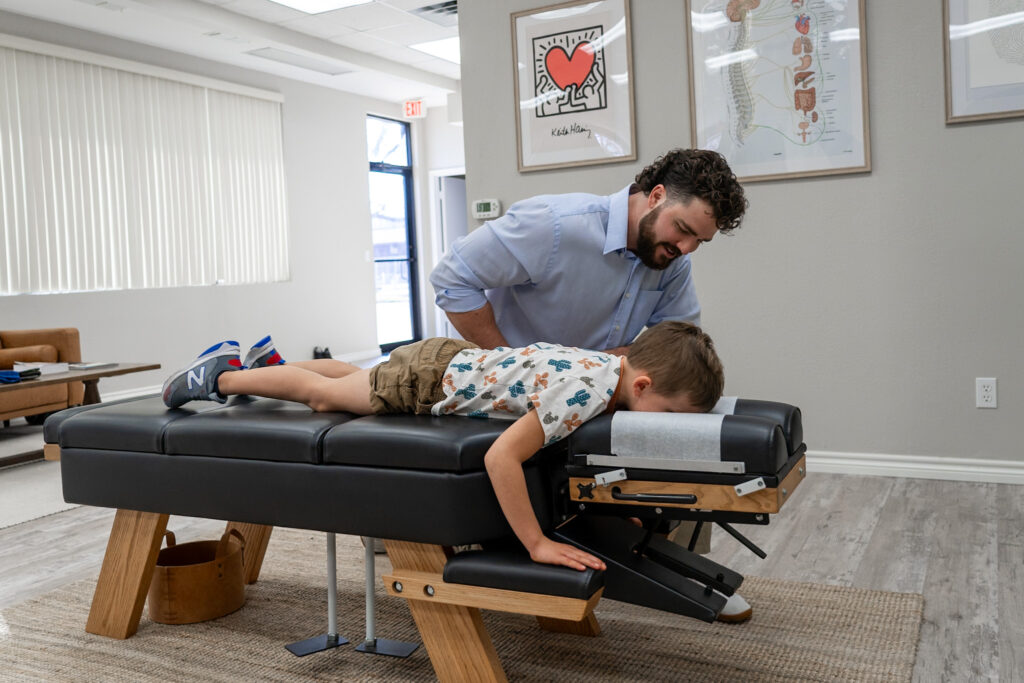
For impulsivity presentations, Zone Technique assesses the nervous zone(3) at the upper cervical levels governing brainstem arousal regulation and prefrontal cortex input. The glandular zone(1) is assessed alongside Zone 3 for the cortisol and stress hormone component of impulsivity, since children with chronic sympathetic activation have more impulsive behavioral profiles as a direct result of the hormonal stress state their nervous system is maintaining. Dr. Korrin adjusts at the specific levels where interference is found and reviews the assessment findings with the family at every visit so you can track what is changing between sessions.
Impulsivity, inattention, and hyperactivity are the three core presentations of ADHD and frequently appear together. The ADHD chiropractic care page covers how Zone Technique approaches the combined presentation. For children with impulsivity as part of a broader emotional control difficulty, Zone Technique addresses the full nervous system regulation picture rather than the individual symptom in isolation. Dr. Korrin is accepting new pediatric patients at Vita Nova in Plano, TX. Schedule your child’s first visit to find out whether nervous system interference is contributing to the impulsivity pattern.