
Chiropractic Care for Epilepsy in Plano, TX
If you or a loved one is living with epilepsy, you know how much it can affect daily life. At Vita Nova Chiropractic, we offer safe, gentle chiropractic care designed to support the body’s natural healing and nervous system function.
Our approach focuses on correcting imbalances at the root level, not just masking symptoms. Dr. Korrin uses the Zone Technique to restore balance and help your body function the way it was designed to. We proudly serve families in Plano, TX, Murphy, TX, and Richardson, TX.
Because epilepsy is a complex neurological condition, we work alongside your medical team to provide supportive care. Our goal is to help your nervous system function optimally, which may support overall wellness and quality of life.
What Is Epilepsy?
Epilepsy is a neurological disorder that affects the brain’s electrical activity. This condition can cause recurring seizures that range from brief lapses of attention to full-body convulsions. While epilepsy is typically managed medically, many families seek additional support through complementary approaches.
Seizures occur when nerve cells in the brain send out abnormal signals. The type and severity of seizures vary widely between individuals. Understanding the underlying factors that contribute to nervous system imbalance is key to supporting long-term wellness.
Common Contributing Factors
- Genetic predisposition
- Brain injury or trauma
- Stroke or vascular issues
- Infections affecting the brain
- Prenatal injuries or developmental issues
- Tumors or structural brain abnormalities
- Unknown causes (idiopathic epilepsy)
How Epilepsy Affects Daily Life
- Fear of seizures occurring in public
- Difficulty maintaining employment or school attendance
- Restricted ability to drive or travel independently
- Sleep disruption and chronic fatigue
- Emotional stress and anxiety
- Social isolation and reduced quality of life
- Side effects from medications
Common Symptoms of Epilepsy
- Temporary confusion or staring spells
- Uncontrollable jerking movements of arms and legs
- Loss of consciousness or awareness
- Unusual sensations such as tingling or dizziness
- Sudden fear or anxiety without clear cause
- Stiff muscles or muscle twitching
- Repetitive movements like lip smacking or hand rubbing
- Memory lapses or difficulty concentrating
- Fatigue or drowsiness after episodes
- Mood changes including irritability or depression
- Sensitivity to light or sound
- Unexplained headaches following seizures
Why Epilepsy Symptoms May Persist
While medication is often the first line of treatment, some people continue to experience seizures or side effects. Therefore, addressing nervous system function and overall body balance becomes important.
Underlying Factors That May Contribute
- Spinal misalignments that interfere with nerve communication between the brain and body
- Nervous system stress that reduces the body’s ability to regulate and adapt
- Postural imbalances that place ongoing tension on the spine and central nervous system
- Poor movement patterns that create compensation and increased neurological load
- Chronic stress that keeps the body in a heightened state of fight-or-flight
- Unresolved trauma from past injuries affecting brain-body communication
How Chiropractic Care Helps Epilepsy
Chiropractic care does not treat epilepsy directly. However, it addresses nervous system function, which plays a central role in how your brain and body communicate. By reducing interference and restoring balance, chiropractic care may support your body’s natural ability to regulate and heal.
Nervous System Connection
- Your brain communicates with every cell through the spinal cord and nerves
- Misalignments in the spine can disrupt this communication, affecting overall function
- When the nervous system is balanced, the body has a better ability to regulate itself
- Chiropractic adjustments help reduce nerve interference and improve signal flow
- Supporting nervous system health may help the body respond better to stress and environmental triggers
- Many patients report improved sleep, mood, and overall well-being after consistent care
The Zone Technique Approach
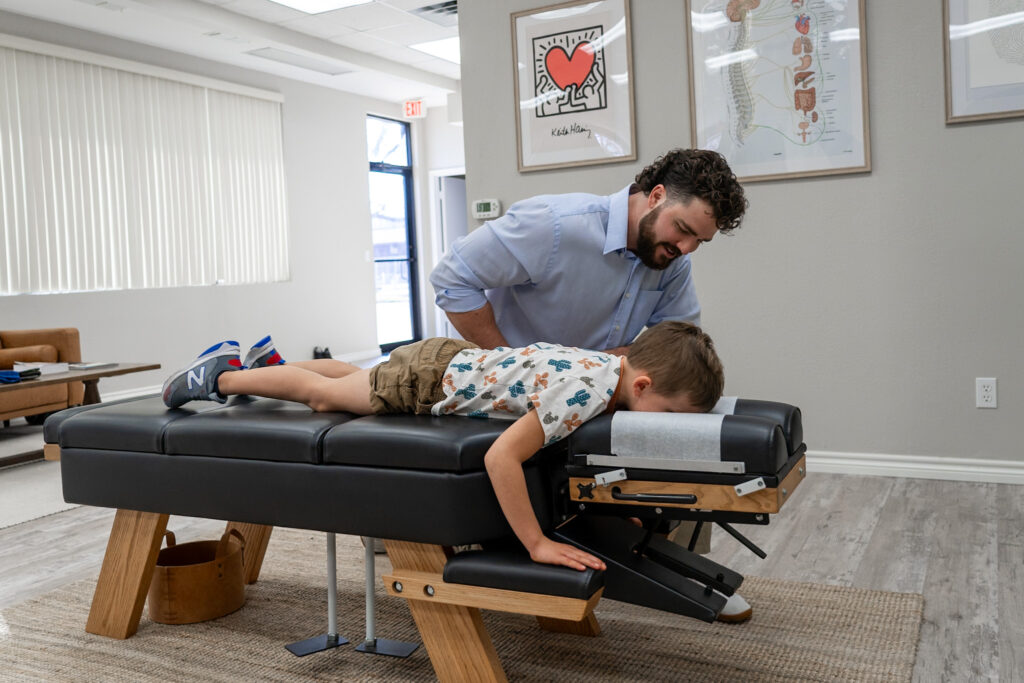
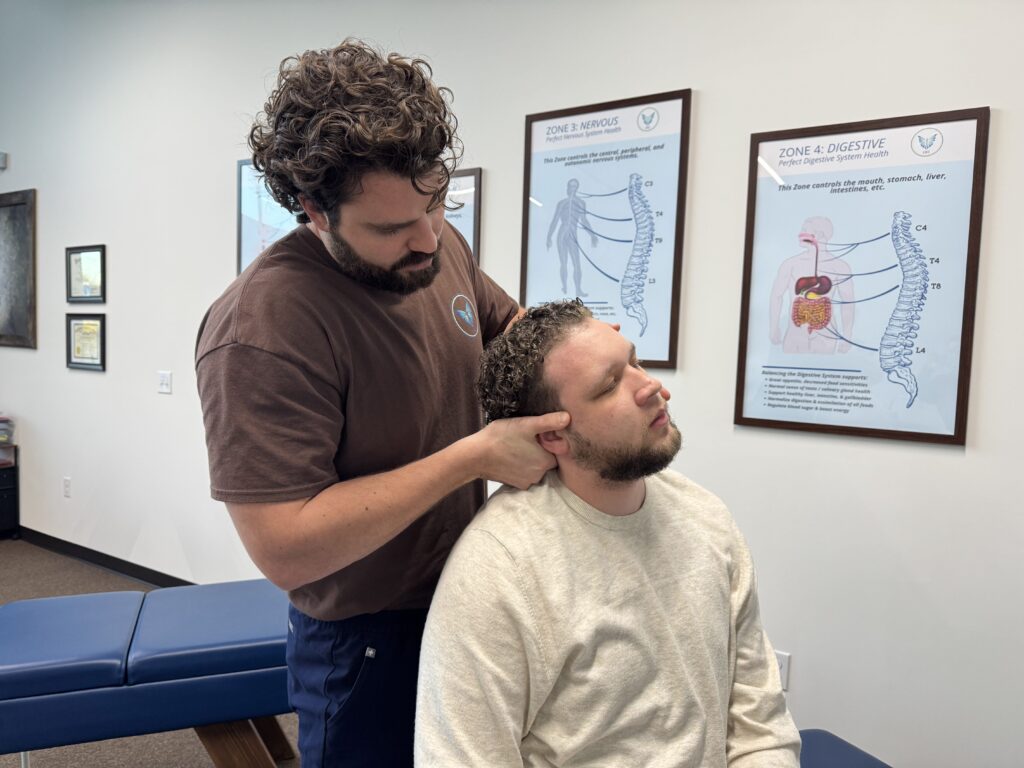
Dr. Korrin uses the Zone Technique, a gentle and specific method that evaluates six systems in the body. This approach focuses on restoring balance to the nervous system, which controls everything from brain function to digestion.
- The glandular system, which regulates hormones and stress response
- The eliminative system, responsible for removing toxins and waste
- The nervous system, which controls all communication in the body
- The digestive system, essential for nutrient absorption and energy
- The muscular system, supporting movement and posture
- The circulatory system, delivering oxygen and nutrients throughout the body
What We Address During Care
- Spinal misalignments that interfere with nerve communication
- Nerve interference affecting brain-body signaling
- Muscle imbalances that create tension and compensations
- Postural strain that adds stress to the nervous system
- Movement compensation patterns that reduce function over time
Understanding the Nervous System Through a Simple Example
Think of your nervous system like the electrical wiring in your home. If a wire gets pinched or damaged, the lights may flicker or stop working altogether. Similarly, when your spine is misaligned, it can create interference in the signals between your brain and body.
Chiropractic care works to remove that interference, allowing your nervous system to function more smoothly. While this doesn’t cure epilepsy, it supports the foundation your body needs to work at its best.
Scientific Evidence Supporting Chiropractic & Epilepsy
Research on Chiropractic & Epilepsy
Epilepsy and seizure disorders: a review of literature relative to chiropractic care of children
This review examined published reports on chiropractic care in pediatric epilepsy. The authors found mainly anecdotal and low-level evidence, showing that stronger research is still needed.
Current chiropractic-specific evidence for epilepsy is limited, and higher-quality studies are still needed.
Interictal autonomic dysfunction
This review explains that epilepsy is associated with measurable autonomic nervous system dysfunction, including changes in heart rate variability and related markers. It does not study chiropractic directly, but it supports the importance of nervous system regulation in epilepsy.
Research suggests autonomic nervous system dysfunction plays an important role in epilepsy.
Why Choose Vita Nova Chiropractic
At Vita Nova Chiropractic, we understand that living with epilepsy requires a comprehensive and compassionate approach. Our focus is on supporting your nervous system so your body can function more effectively.
- Personalized care plans tailored to your unique needs and health goals
- Gentle, non-invasive techniques that are safe for all ages
- Family-focused practice offering care for adults, children, and expectant mothers
- Experienced in pediatric and prenatal chiropractic care
- Trusted by families throughout Plano, Murphy, and Richardson
- Collaborative approach that works alongside your medical team
- Commitment to root-cause care, not just symptom management
What to Expect During Your Visit
Your first visit to Vita Nova Chiropractic is designed to be comfortable and informative. Dr. Korrin will take time to understand your health history, your specific concerns with epilepsy, and your wellness goals. We believe in transparency and education every step of the way.
After a thorough evaluation, we will create a personalized care plan based on your needs. Our gentle techniques are designed to support your body without force or discomfort. Learn more about what to expect during your care.
Your First Visit Includes
- A detailed consultation about your health history and current challenges
- A comprehensive neurological and spinal evaluation
- Zone Technique analysis to identify areas of imbalance
- A clear explanation of findings in easy-to-understand terms
- A personalized care plan designed for your goals
- Time for all your questions and concerns
Schedule an Appointment Today
If you’re seeking supportive care for epilepsy, we’re here to help. Dr. Korrin and the team at Vita Nova Chiropractic are committed to providing compassionate, effective care for families throughout the Plano area.
We offer flexible scheduling and welcome new patients of all ages. Whether you’re exploring options for yourself or a loved one, we invite you to experience the difference that gentle, neurologically-focused chiropractic care can make. Contact us today to schedule your first visit.
Frequently Asked Questions
Can chiropractic care cure epilepsy?
No, chiropractic care does not cure epilepsy. However, it can support nervous system function, which plays a key role in how your body regulates itself. Many patients find that chiropractic care complements their medical treatment and supports overall wellness.
Is chiropractic care safe for people with epilepsy?
Yes, when performed by a trained professional like Dr. Korrin. We use gentle, non-invasive techniques that are safe for all ages. Furthermore, we work closely with your medical team to ensure a coordinated approach to your care.
How does the Zone Technique help with neurological conditions?
The Zone Technique identifies imbalances in the nervous system and works to restore proper communication between the brain and body. Because the nervous system controls all functions, improving its balance may positively impact many areas of health, including seizure management.
Will I need to stop my epilepsy medication?
No. We never recommend stopping any prescribed medication without consulting your doctor. Chiropractic care is meant to support your medical treatment, not replace it. Always continue following your neurologist’s guidance.
How long does it take to see results?
Every person responds differently depending on their health history and condition severity. Some patients notice improvements in sleep, mood, or overall function within a few weeks, while others may require more time. Dr. Korrin will discuss realistic expectations during your care planning.