
Something is off systemically and you cannot pin it to a single diagnosis. The sleep is poor. The stress response is hair-trigger. The digestion is inconsistent. The energy is flat. The pain moves around. Multiple providers have evaluated individual pieces of this picture and not found a clear primary cause. Nervous system dysfunction is not a diagnosis in the conventional medical sense. It is a description of a nervous system that is not regulating its downstream systems effectively, and it is the presentation that Zone Technique is most specifically built to assess and address.
What Is Nervous System Dysfunction?
The nervous system governs every function in the body. Immune regulation, hormonal signaling, digestive motility, pain modulation, sleep architecture, cardiovascular tone, and emotional regulation all depend on clear and consistent communication between the brain and the body through the spinal cord. When that communication is disrupted by mechanical interference in the cervical or thoracic spine, the downstream effects are distributed across all of the systems the nervous system governs. The patient experiences this as a diffuse, multi-system picture that does not fit cleanly into any single diagnostic category.
Research on the relationship between spinal function and autonomic nervous system regulation confirms that spinal manipulation affects autonomic nervous system function through direct mechanical effects on the spinal cord and brainstem, with measurable changes in heart rate variability and sympathovagal balance following cervical and thoracic adjustment. Heart rate variability is the most established clinical marker of autonomic nervous system function and nervous system regulatory capacity. Zone Technique improvement in HRV over the course of care reflects restoration of the nervous system regulatory function that the mechanical interference was compromising.
Who Presents With Nervous System Dysfunction
The patients Dr. Korrin sees most often for nervous system dysfunction presentations are those with multi-system complaints that have not resolved through single-system treatment. Patients with fibromyalgia whose widespread pain, fatigue, and sleep disruption have not responded adequately to medical management. Patients with anxiety and sleep disruption whose physiological baseline has not shifted despite appropriate psychological treatment. Patients with neuropathy alongside other nervous system symptoms where the peripheral nerve component is part of a broader systemic picture. And patients who simply know something is wrong with their nervous system regulation and have not found a framework for addressing it.
How Dr. Korrin Approaches Nervous System Dysfunction Using Zone Technique
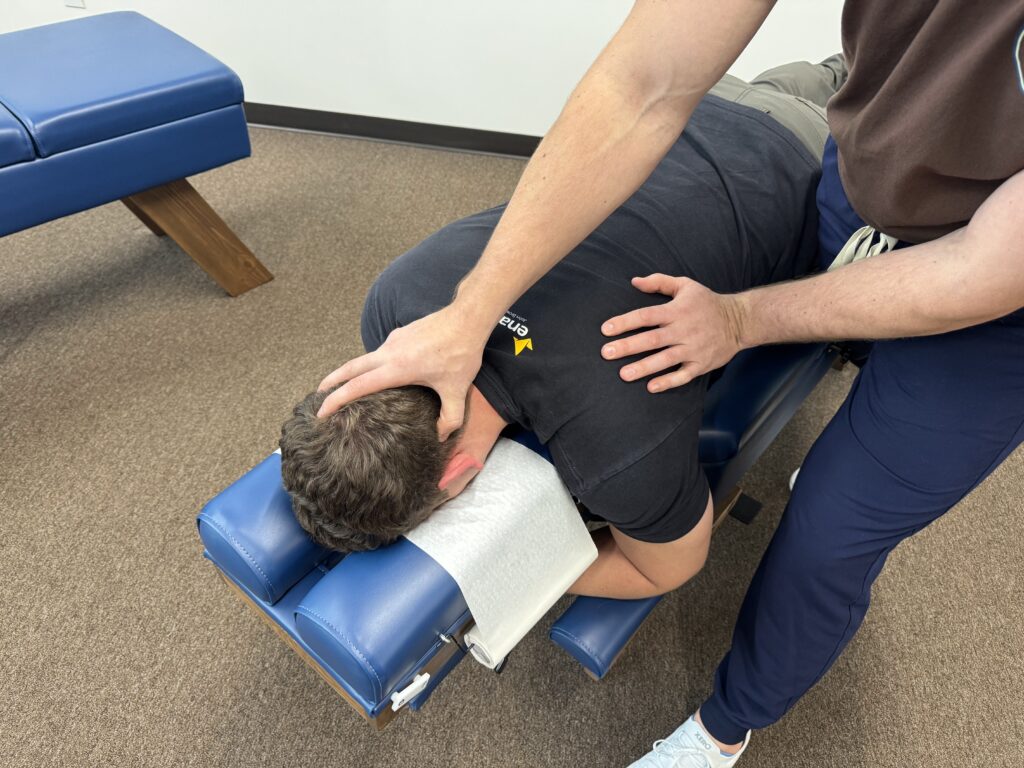
Nervous system dysfunction is the presentation that Zone Technique is most comprehensively designed to address. The assessment evaluates all six body zones: glandular(1), eliminative, nervous(3), digestive(4), muscular(5), and circulatory(6), and identifies which specific spinal levels are producing interference in each zone. For patients with multi-system dysregulation, the assessment almost always finds interference across multiple zones simultaneously. The pattern of zones involved maps directly to the multi-system symptom picture the patient presents with. The adjustment addresses each zone at the specific spinal level where interference is found, working through the full assessment at every visit.
Most nervous system dysfunction patients at Vita Nova notice that the changes from Zone Technique care arrive in a consistent order: sleep quality improves first as the parasympathetic system recovers, then energy, then pain and tension patterns, then the more complex systemic symptoms. The sequence reflects the nervous system reestablishing regulatory capacity from the foundational functions outward.
What to Expect at Your First Visit
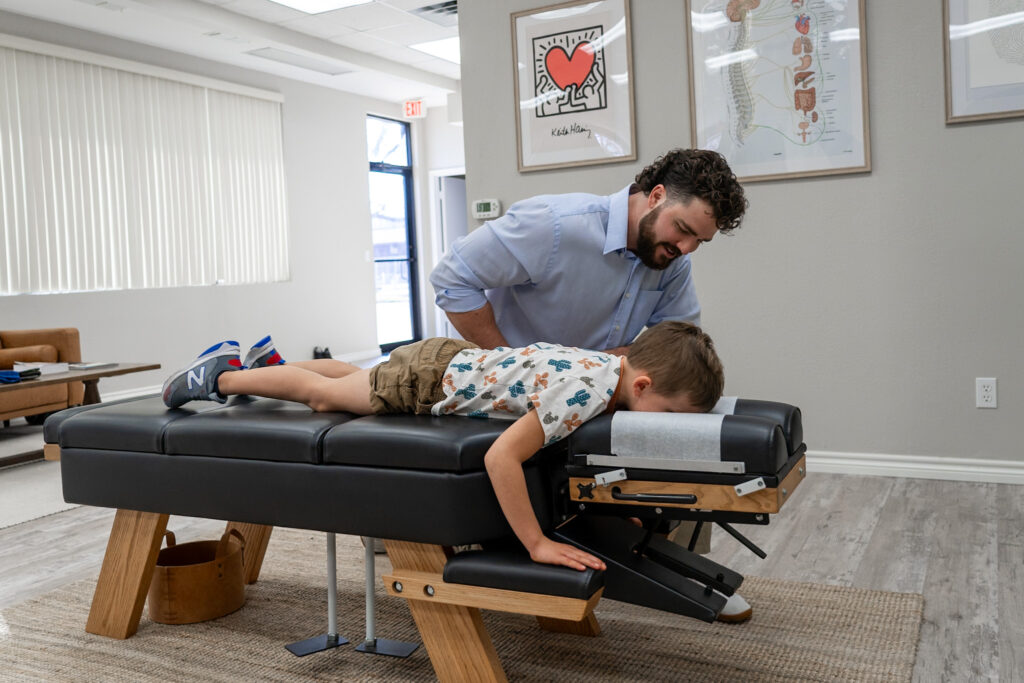
Your first visit begins with a full Zone Technique assessment of all six body zones. Dr. Korrin identifies where interference is present across the full nervous system rather than focusing on a single complaint. The assessment takes 15 to 20 minutes. He will ask about your full symptom picture, not just the most prominent complaint, because the pattern across systems is what the Zone Technique assessment is designed to map. Bring any relevant medical evaluations, lab results, or specialist notes. The more complete the picture before the assessment, the more precisely Dr. Korrin can track what changes over the course of care.
For patients whose nervous system dysfunction centers on the vagus nerve and autonomic regulation, vagus nerve dysfunction covers that specific pathway in detail. The Zone Technique chiropractor service page covers what the full six-zone assessment and adjustment looks like in practice. Dr. Korrin is accepting new patients at Vita Nova in Plano, TX. Schedule your first visit to find out which zones are under interference and what the Zone Technique assessment reveals about your nervous system regulatory picture.