

What the Evidence Supports
The research on herniated disc outcomes without surgery is consistent and fairly compelling. Studies show that 80 to 90 percent of patients with lumbar disc herniation improve with conservative care alone within six months. A 2005 study in the journal Spine followed 283 patients with confirmed lumbar disc herniations through conservative treatment. After two years, 83 percent reported good to excellent outcomes and only 17 percent went on to have surgical intervention.
A comprehensive 2024 narrative review in PMC, covering non-surgical approaches to lumbar disc herniation with radiculopathy, identified spinal mobilization and manipulation as yielding moderate evidence of effectiveness for conservative management, alongside patient education, exercise therapy, and neural mobilization. This is not fringe data. It is what the current literature supports as the appropriate first-line approach for the majority of disc presentations.
Surgery is not wrong in the cases where it is indicated. It is simply not the first answer for most people who receive a herniated disc diagnosis.
What Conservative Care Is Actually Doing
When people hear “conservative care,” they often picture rest, ice, and waiting. That is not what effective conservative management of a herniated disc looks like. Conservative care that produces real outcomes is doing several things simultaneously.
The disc itself can resorb over time. The immune system identifies herniated disc material as foreign tissue and breaks it down through a process called spontaneous resorption. This is a genuine biological mechanism, not optimistic thinking. Larger, fully extruded herniations resorb at higher rates than small contained bulges because there is more exposed nuclear material for the immune response to engage with. The catch is that this process unfolds over months, not weeks, and the nervous system interference it creates does not wait.
That nervous system interference is what conservative care addresses most directly. The herniated disc creates compression or irritation at a nerve root. That compression disrupts the signals the brain sends through that nerve pathway, which produces the pain, radiation, numbness, or weakness the patient experiences. The surrounding musculature responds by guarding, tightening around the affected spinal segment in a protective pattern that often compresses the disc further. Conservative care breaks this cycle by addressing the nerve interference, reducing the guarding pattern, and giving the disc the mechanical conditions it needs to resorb or stabilize without surgical intervention.
How Zone Technique Approaches a Herniated Disc
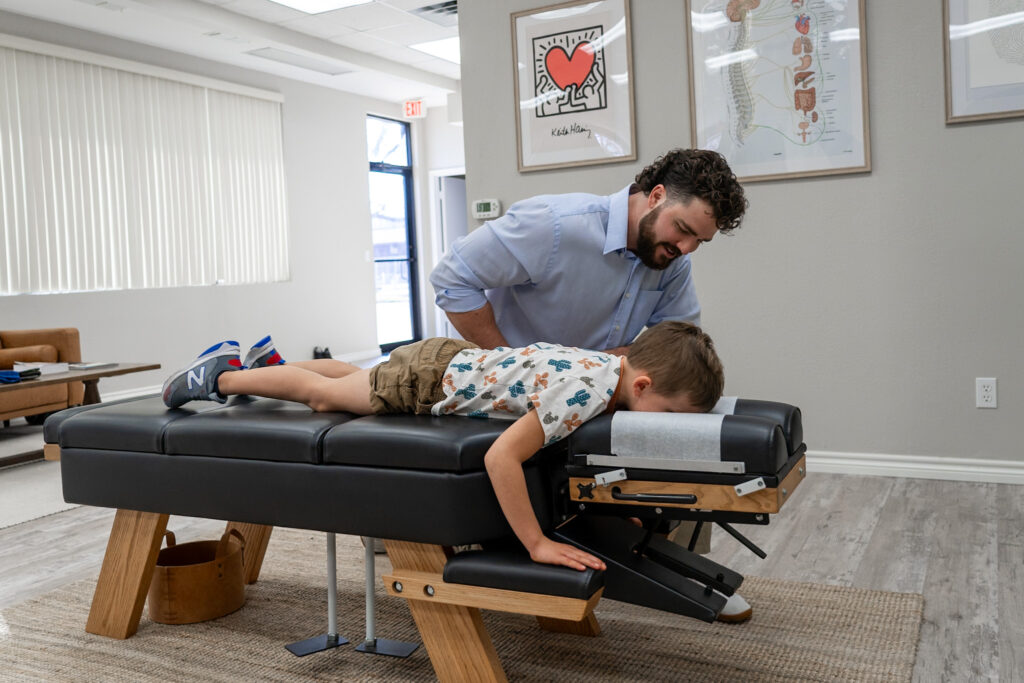
At Vita Nova, Dr. Korrin uses Zone Technique to assess the nervous system interference a herniated disc creates and address it at the specific spinal level involved. The nervous zone(3) governs the peripheral nerve pathways from the lumbar spine into the lower extremities. When a disc herniates at L4-L5 or L5-S1, which are the most common levels, Zone 3 interference at those specific levels is visible in the assessment before the adjustment is made. The adjustment restores clearer communication between the brain and the affected nerve pathway, which reduces the radiating pain pattern the herniation is producing.
The muscular zone(5) addresses the guarding pattern surrounding the disc. That muscle tension is not just uncomfortable. It actively increases the mechanical load on the herniated segment and slows the recovery process. Zone 5 interference tracks the tension pattern and the adjustment works to release it, reducing compression on the disc and giving the natural resorption process better conditions to proceed.
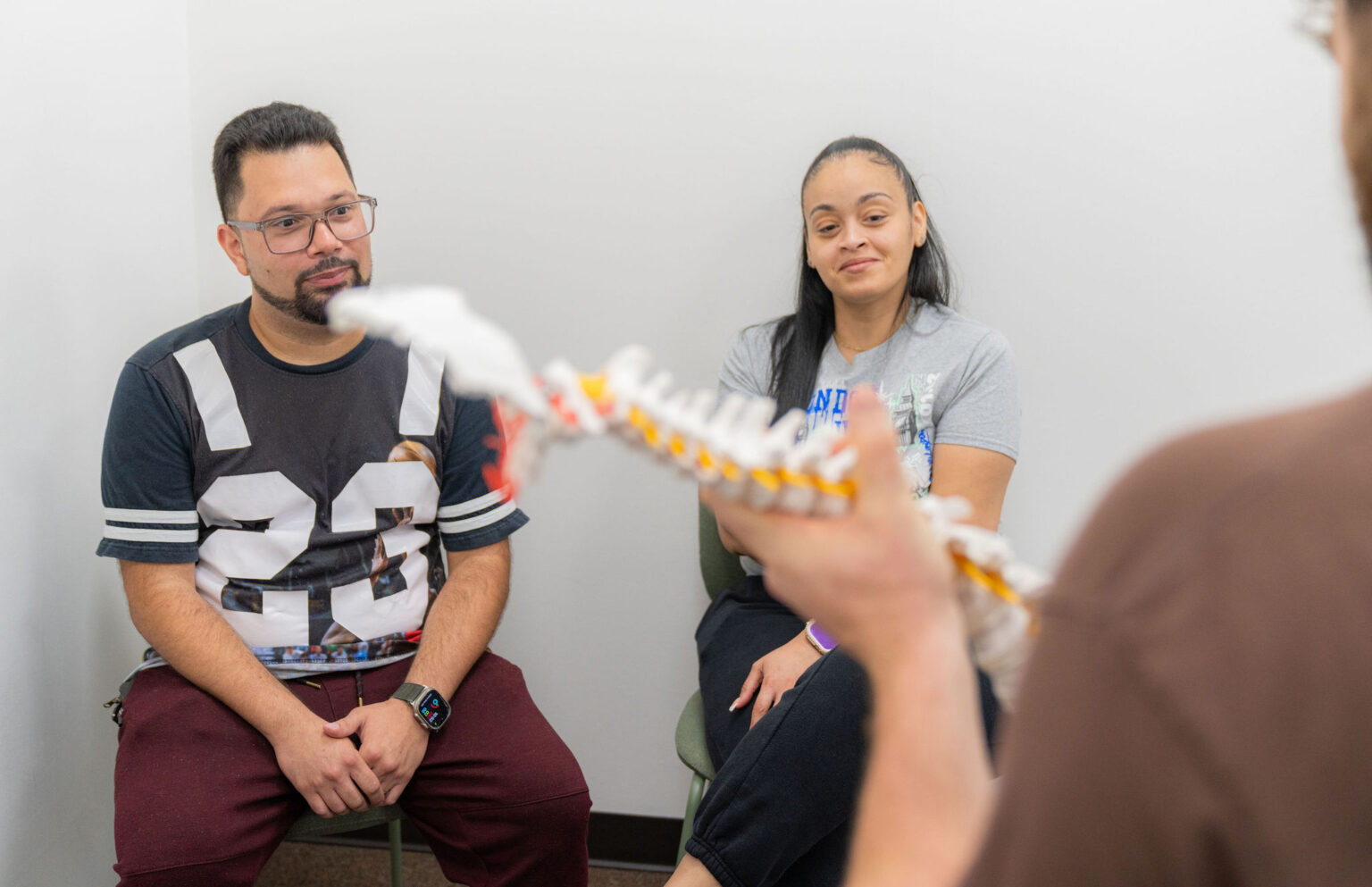
This is not the same as a generic spinal manipulation. Zone Technique identifies which specific spinal levels are under interference and adjusts precisely there. For a herniated disc patient who has been told surgery is a possibility, the question the assessment answers is: how much of what you are experiencing is the disc itself, and how much is the nervous system interference pattern the disc created that is sustaining the pain long after the acute injury phase has passed? In many cases, addressing that pattern changes the picture significantly.
When Surgery Is the Right Answer
Conservative care is appropriate for most herniated disc presentations. There are specific situations where it is not, and being clear about those is part of giving honest information.
Surgery becomes the appropriate first or urgent response when: there is any loss of bladder or bowel function associated with the back or leg symptoms, which indicates cauda equina syndrome and is a medical emergency requiring immediate surgical evaluation. When progressive motor weakness is present, meaning a muscle group is getting weaker over consecutive weeks rather than just painful. When significant neurological deficits have been confirmed on nerve conduction studies and conservative care has not produced meaningful improvement over six to twelve weeks. When the pain is severe enough and unresponsive enough to conservative measures that the patient’s quality of life is severely compromised despite appropriate treatment.
Outside of those situations, the evidence supports conservative management as the right starting point. Most patients who are told they might need surgery are told that as a possibility, not a necessity. Getting a Zone Technique assessment before committing to a surgical consultation is a reasonable step. The assessment identifies what the nervous system is actually doing in response to the disc herniation and whether conservative care has a clear role to play in your specific presentation.
For a full explanation of how Dr. Korrin approaches herniated disc presentations at Vita Nova, visit the disc herniation chiropractic care page. If sciatica is part of your presentation, the sciatica chiropractic care page covers how the nerve pathway component is assessed specifically. And if you are trying to understand the difference between a bulging and herniated disc first, the bulging disc chiropractic care page covers that distinction in detail.
Dr. Korrin is accepting new patients at Vita Nova in Plano, TX. Schedule your first visit if you have a herniated disc diagnosis and want to understand what conservative care can realistically do for your specific presentation before making any other decisions.