

Why Children Experience Anxiety Differently Than Adults
Anxiety in children rarely looks the way it does in adults. It doesn’t always come with worry thoughts or panic attacks. In children — especially young children — anxiety often shows up as physical and behavioral symptoms that can be easy to misread:
- Frequent meltdowns or emotional outbursts disproportionate to the situation
- Clinginess, separation difficulty, or refusal to try new things
- Stomach aches, headaches, or other physical complaints with no clear cause
- Difficulty sleeping, night waking, or resistance to bedtime
- Hyperactivity or an inability to settle and focus
- Sensory sensitivities — being easily overwhelmed by noise, touch, crowds, or transitions
- Aggression, irritability, or sudden mood shifts
All of these are expressions of a nervous system that is struggling to regulate — to move fluidly between states of alertness and calm in response to what the environment actually demands. When the nervous system is dysregulated, children get stuck. They over-respond to small stressors, struggle to recover from upsets, and find it hard to access the calm, focused state that learning, connection, and rest all require.
The Root Cause — A Nervous System Stuck in Fight-or-Flight
To understand why chiropractic care can help an anxious child, it helps to understand what’s happening neurologically. The nervous system has two primary operating modes:
- Sympathetic — fight-or-flight: the alert, activated state designed for responding to threat or challenge
- Parasympathetic — rest and digest: the calm, regulated state needed for digestion, sleep, learning, connection, and healing
A healthy nervous system moves fluidly between these two states depending on what the situation calls for. An anxious child’s nervous system tends to get locked in sympathetic overdrive — perceiving threat or danger even in ordinary situations, and struggling to return to baseline once activated.
This isn’t a character flaw or a parenting problem. It is frequently a physical one. Spinal misalignments — particularly in the upper cervical spine — can create chronic interference in the nervous system that keeps it biased toward the sympathetic state. This means the nervous system is essentially stuck with its foot on the accelerator, regardless of what’s actually happening in the child’s environment. Addressing that interference through chiropractic care is one of the most direct ways to help the nervous system find its way back to balance.
You can read more about how nervous system dysfunction affects the body and how chiropractic care addresses it on our conditions page.
How Chiropractic Care Supports an Anxious Child’s Nervous System
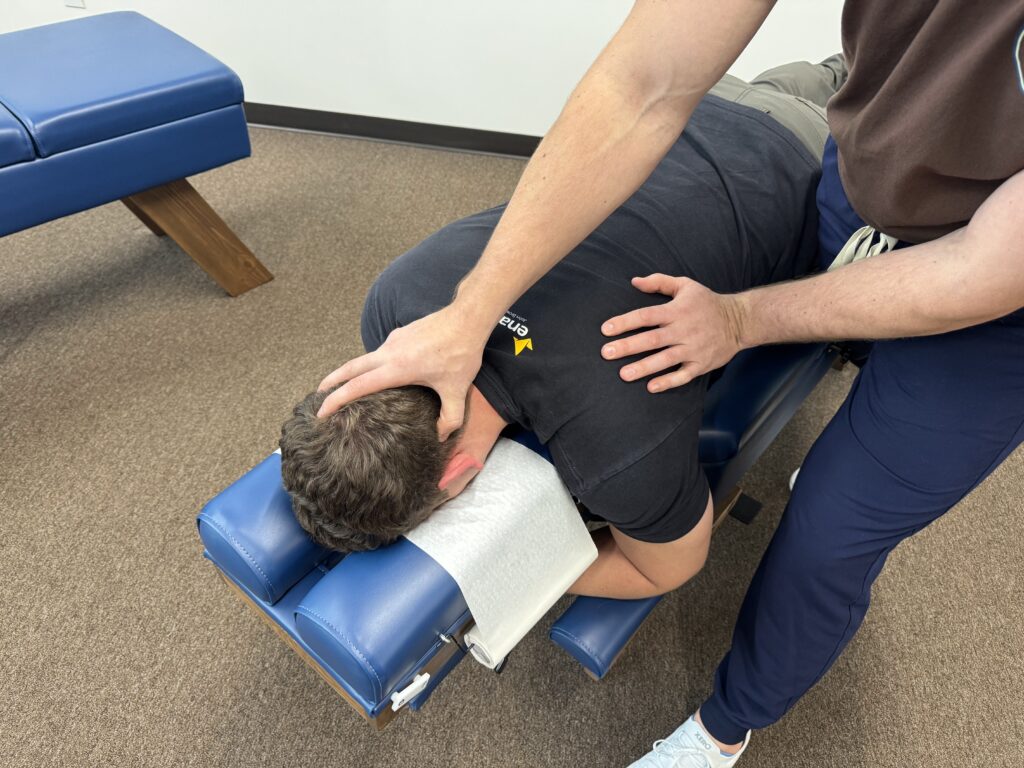
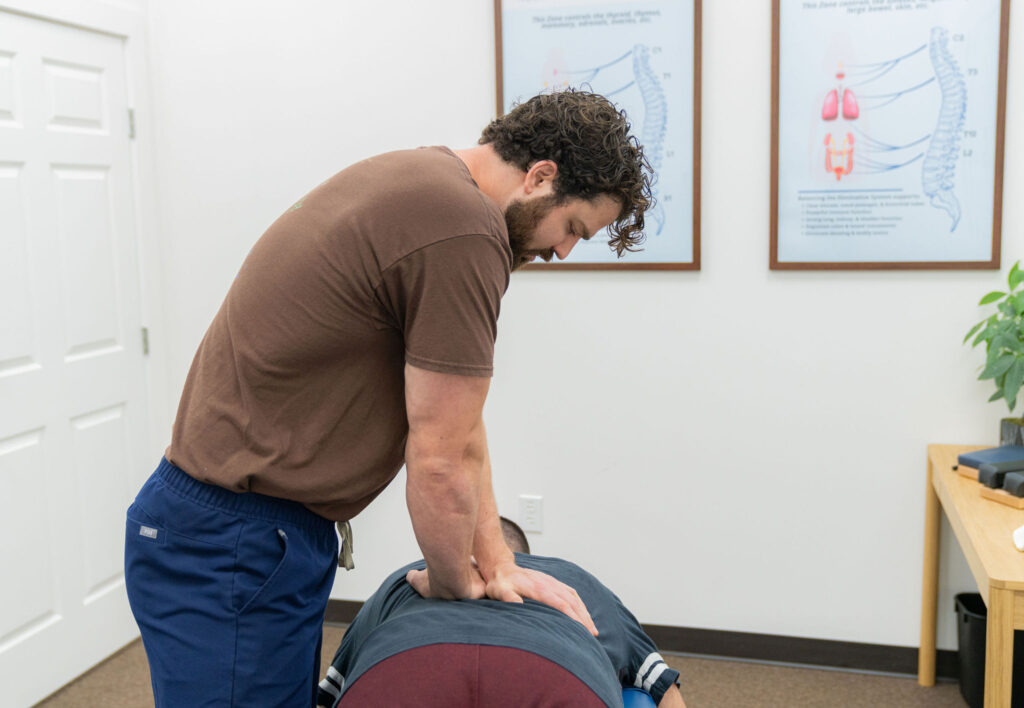
At Vita Nova, Dr. Korrin uses the Zone Technique to assess and restore balance to the six neurological systems that govern how the body functions. For anxious children, the most commonly disrupted zones are Zone 1 (glandular — stress hormones and immune regulation) and Zone 3 (nervous — brain-body communication and emotional regulation). By identifying exactly which zones are out of balance and applying gentle, targeted adjustments to restore them, Dr. Korrin helps the nervous system shift out of chronic sympathetic overdrive and into a more regulated, resilient state.
Here is what that process does for an anxious child:
- Reduces the physical load on the nervous system — removing spinal interference that keeps the system biased toward fight-or-flight
- Supports cortisol regulation — helping the body produce and clear stress hormones more effectively
- Improves vagal tone — the vagus nerve is the primary pathway of the parasympathetic nervous system, and chiropractic adjustments support its function
- Enhances brain-body communication — allowing the brain to receive more accurate information from the body and respond more appropriately
- Creates a calmer baseline — over time, children under consistent care tend to be less reactive, recover from upsets more quickly, and access calm more easily
Parents often describe noticing changes they didn’t expect — their child sleeping better, having fewer meltdowns, being more flexible with transitions, or simply seeming more at ease in their own body. These aren’t coincidental. They are the downstream effects of a nervous system that is finally getting the support it needs.
Conditions Connected to Childhood Anxiety That Chiropractic Care Addresses
Anxiety rarely exists in isolation in children. It is frequently accompanied by — and often shares a root cause with — a cluster of other challenges that parents are managing simultaneously. At Vita Nova, we regularly see anxious children who are also dealing with:
- ADHD and inattention — hyperactivity and difficulty focusing are often expressions of the same dysregulated nervous system driving anxiety
- Sensory processing disorder — sensory sensitivities are directly linked to how well the nervous system filters and interprets incoming information
- Emotional control difficulties — the inability to regulate emotional responses is a nervous system function, not just a behavioral one
- Difficulty sleeping — a nervous system stuck in fight-or-flight cannot downregulate at bedtime
- Impulsivity — the inability to pause before reacting is a hallmark of sympathetic nervous system dominance
- Behavioral challenges — many behavior problems in children are expressions of a nervous system that is overwhelmed and under-resourced
Chiropractic care doesn’t replace behavioral therapy, occupational therapy, or other professional support for these conditions. What it does is address the underlying neurological environment in which all of those interventions are taking place — and many families find that their other therapies become more effective once the nervous system is better regulated.
Natural Strategies to Support Your Child Alongside Chiropractic Care
Chiropractic care works best as part of a broader approach to supporting your child’s nervous system. Here are some evidence-informed strategies that complement chiropractic care well:
- Consistent sleep rhythms — the nervous system regulates most effectively when sleep and wake times are predictable. Prioritizing 10–12 hours of sleep for school-age children and maintaining consistent bedtime routines makes a significant difference.
- Reducing sensory overload — screen time, artificial lighting, loud environments, and constant stimulation all tax the nervous system. Building in daily quiet time helps the system recover.
- Outdoor movement and play — unstructured physical activity — especially outdoors — is one of the most powerful nervous system regulators available to children. It activates the proprioceptive system, supports cortisol clearance, and builds resilience.
- Co-regulation with calm adults — children’s nervous systems regulate in response to the nervous systems around them. A calm, present parent or caregiver is one of the most powerful tools available for an anxious child.
- Whole food nutrition — the gut-brain connection is real and well-researched. Diets high in processed foods and sugar create inflammatory load that the nervous system has to manage. Supporting gut health supports brain health.
- Breathing and mindfulness practices — even simple breathing exercises activate the vagus nerve and support parasympathetic function. These can be introduced to children as young as three or four.
What to Expect When You Bring Your Anxious Child to Vita Nova
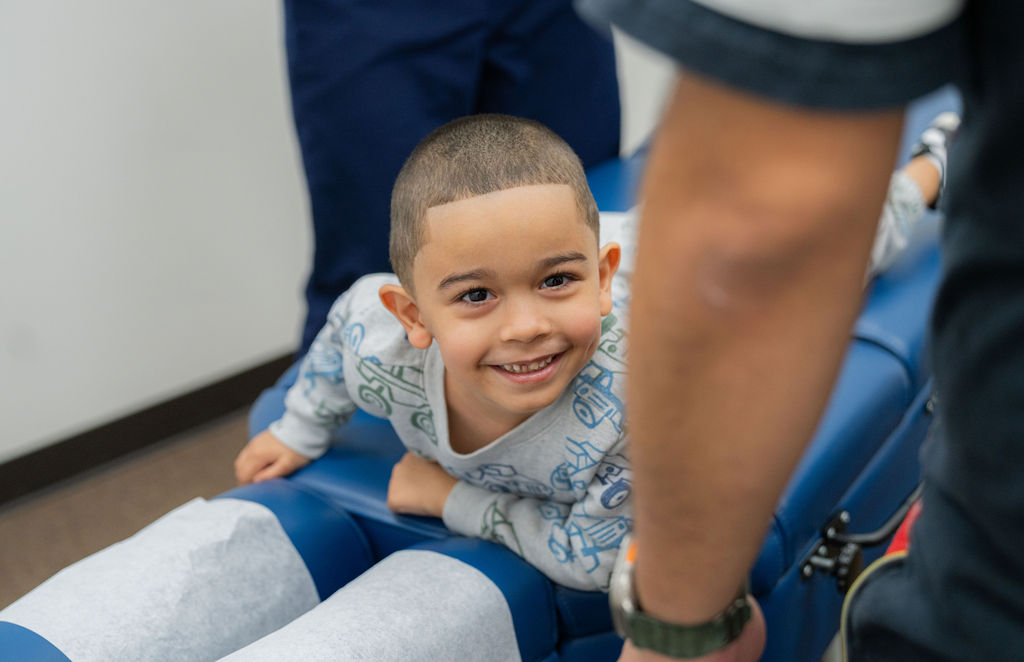
Dr. Korrin understands that anxious children often need a little extra time to feel comfortable in a new environment. At Vita Nova, we take an unhurried, child-centered approach to every visit. Here is what the process looks like:
- A detailed consultation — Dr. Korrin will take time to understand your child’s history, behaviors, triggers, and what you’ve already tried
- A gentle Zone Technique assessment — identifying which neurological systems are out of balance without any uncomfortable procedures
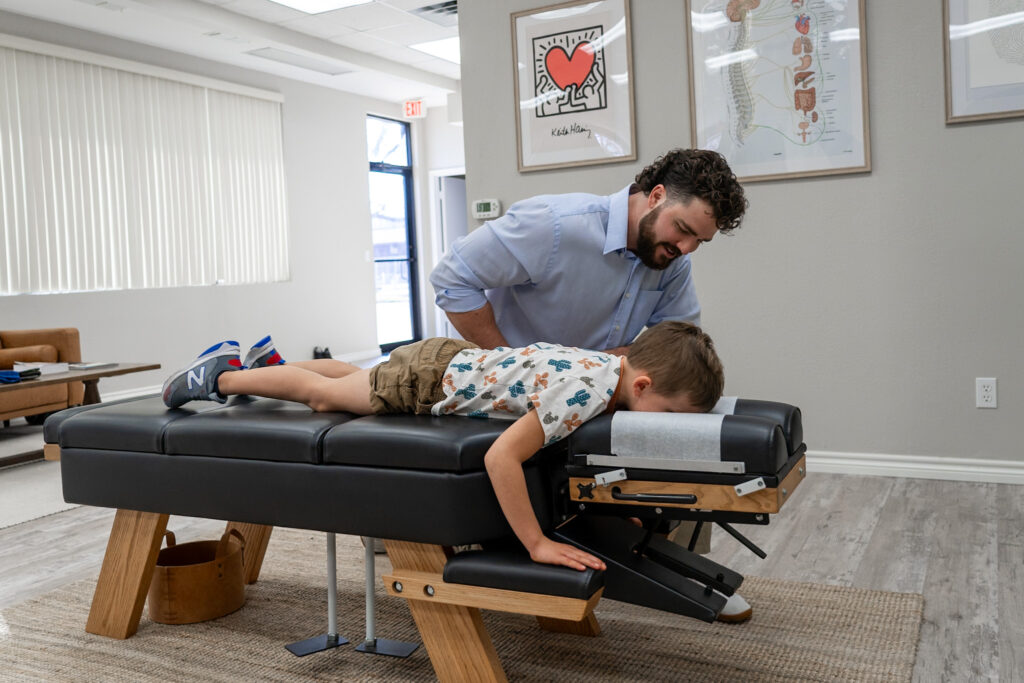
- Gentle, age-appropriate adjustments — tailored to your child’s nervous system state on that day. For anxious children, Dr. Korrin is especially attentive to pacing and comfort
- Parent education — you’ll leave each visit understanding what Dr. Korrin found and what it means, so you can support your child’s care at home
- A personalized care plan — built around your child’s specific needs and realistic goals for your family
We welcome families from Plano, Murphy, and Richardson, TX. Learn more about our pediatric chiropractic care or find out what to expect at your first visit.
People Also Ask
Can a chiropractor really help with childhood anxiety?
Chiropractic care doesn’t treat anxiety as a psychological diagnosis — but it does address the physical and neurological environment in which anxiety develops and persists. By removing spinal interference that keeps the nervous system in a state of chronic sympathetic activation, and by restoring balance to the neurological systems that govern stress hormone regulation and emotional control, chiropractic adjustments help create the conditions in which a child’s nervous system can regulate more effectively. Many parents bring their children to Vita Nova specifically for anxiety-related concerns and see meaningful, lasting changes in their child’s baseline stress response. Schedule a consultation to discuss what this could look like for your child.
How long before we see results in an anxious child?
Every child is different, and the timeline depends on how long the nervous system has been dysregulated, the underlying causes, and how consistently care is maintained. Many parents notice changes — better sleep, fewer meltdowns, improved flexibility — within the first two to four weeks of care. Deeper neurological shifts tend to consolidate over a longer course of consistent care. Dr. Korrin will outline realistic expectations at your first visit and build a care plan that reflects your child’s specific situation. The key is consistency — the nervous system responds to repeated, regular input, not one-off interventions.
Should chiropractic care replace therapy or medication for my child’s anxiety?
No — and Dr. Korrin would never suggest it should. Chiropractic care works best as a complement to other professional support, not a replacement for it. What it offers is something that therapy and medication typically don’t address: the physical and neurological substrate in which anxiety is occurring. Many families find that their child’s response to therapy improves once the nervous system is better regulated through chiropractic care — they’re simply more available, more calm, and more capable of doing the work. If your child is currently working with a therapist, psychologist, or pediatrician, chiropractic care can be a meaningful addition to that team. Learn more about our pediatric chiropractic care approach at Vita Nova.