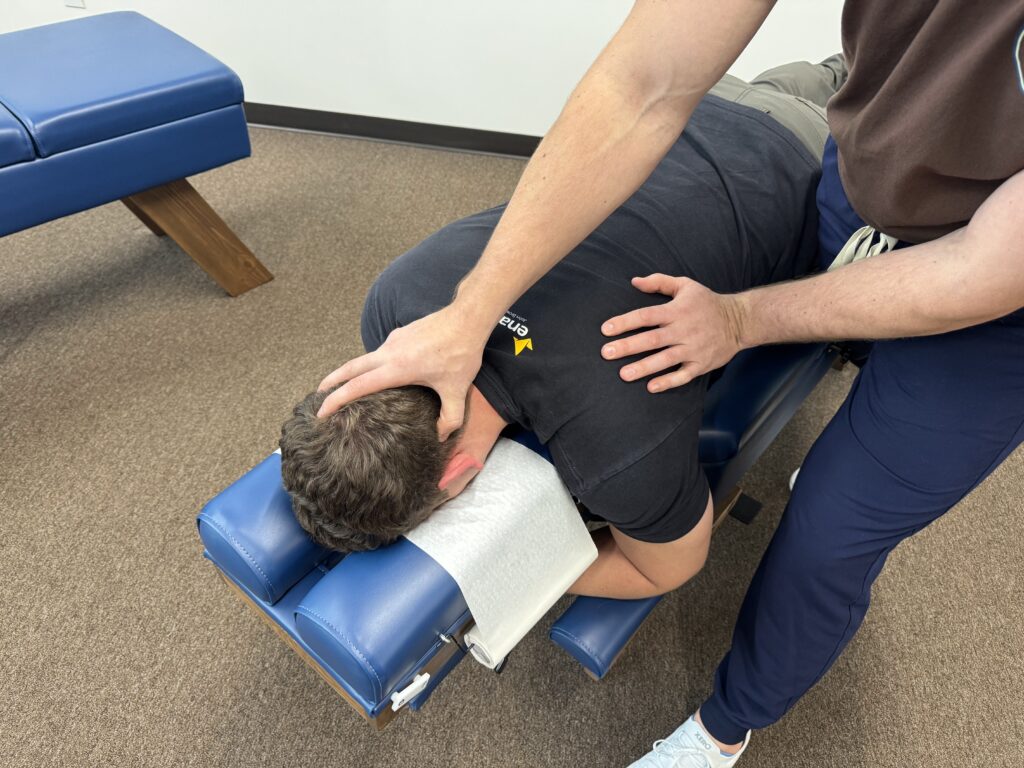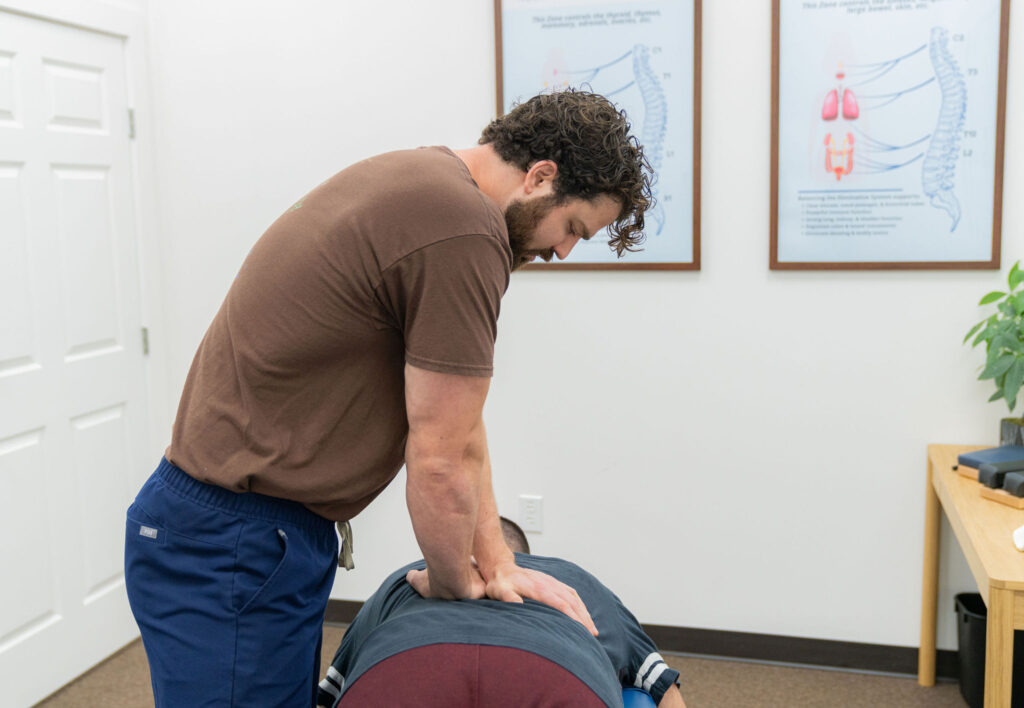

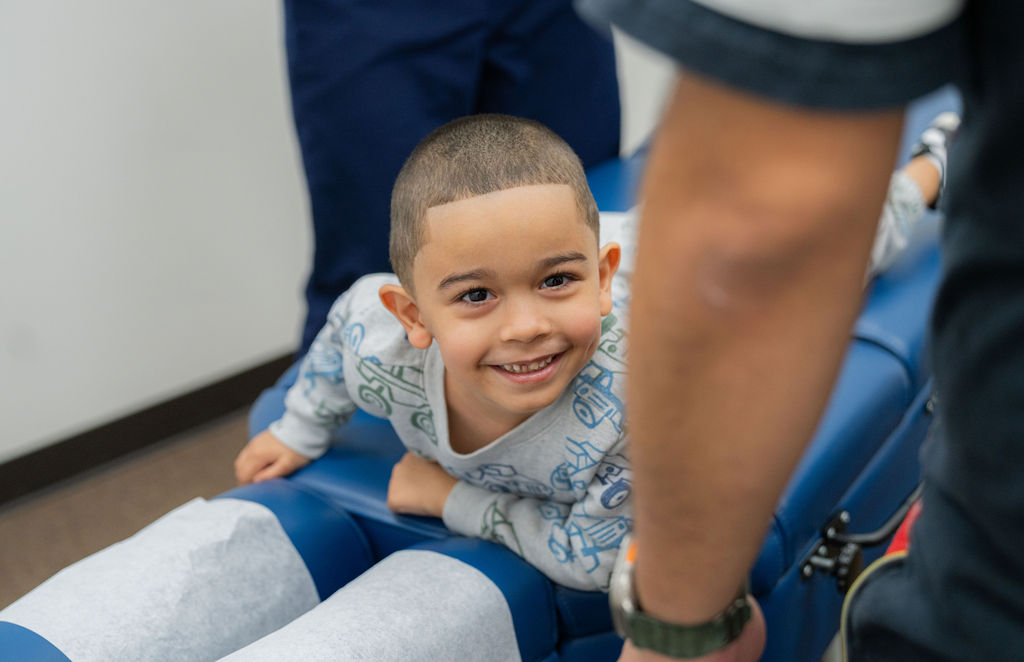

Approximately 2 million children in the United States visited a chiropractor in the past year — making pediatric chiropractic care one of the most widely used complementary health approaches for children in the country (National Health Interview Survey, 2017). Children account for 8% to 15% of all chiropractic visits nationally, and the utilization rate among children showed a statistically significant increasing trend between 2007 and 2016 (Peng et al., Journal of Manipulative and Physiological Therapeutics, 2022). Meanwhile, 11% of U.S. children ages 3–17 now have a diagnosed anxiety disorder, and 11.4% — roughly 1 in 9 — have ever been diagnosed with ADHD (CDC, 2022–2023). The convergence of rising childhood neurological and behavioral health challenges and growing pediatric chiropractic utilization is not coincidental. We aggregated data from the CDC National Center for Health Statistics, the National Health Interview Survey, PubMed-indexed clinical trials, the Journal of Manipulative and Physiological Therapeutics, Frontiers in Psychology, Chiropractic and Manual Therapies, and Clinical Pediatrics to compile the most complete statistical picture of pediatric chiropractic care available.
Key Takeaways
3.4% of U.S. children — approximately 2 million — used chiropractic care in the past 12 months as of 2017, with adolescents ages 12–17 using it at more than twice the rate (5.1%) of younger children ages 4–11 (2.1%) (National Health Interview Survey, 2017, via Misra et al., Clinical Pediatrics, 2025)
Globally, the estimated 12-month utilization of chiropractic care among children under 18 is 8.1%, with a lifetime utilization rate of 11.1% (Gorrell et al., Chiropractic and Manual Therapies, 2023)
Children represent 8%–15% of all chiropractic visits in the United States (Alcantara et al., PMC, 2011)
A statistically significant increasing trend in the number of children receiving chiropractic care was observed from 2007 to 2016 (Peng et al., Journal of Manipulative and Physiological Therapeutics, 2022)
11% of U.S. children ages 3–17 had a current, diagnosed anxiety disorder in 2022–2023, and 11.4% (7.1 million) have ever been diagnosed with ADHD (CDC National Center for Health Statistics, 2024)
In a 2021 RCT of 199 children ages 7–14, chiropractic spinal manipulation resulted in significantly fewer headache days compared to sham manipulation over a 4-month period (Lynge et al., BMC Musculoskeletal Disorders, 2021)
A 2024 RCT found that adding spinal manipulation to an exercise program significantly improved pain outcomes in adolescents with low back pain compared to exercise alone (cited in Misra et al., Clinical Pediatrics, 2025)
In a 2024 pilot RCT, children with ADHD receiving chiropractic adjustments showed larger improvements in inattention and hyperactivity scores than the sham group, with an 84% retention rate and no adverse events (Amjad et al., Frontiers in Psychology, 2024)
A blinded RCT of 104 infants with colic found statistically significant greater odds of improvement in crying time at day 8 in treated infants versus controls when parents were blinded to treatment allocation (Miller et al., Journal of Manipulative and Physiological Therapeutics, 2012)
A Danish RCT found 63% of infants in the chiropractic group achieved a clinically important reduction in crying time versus 47% in the control group (NNT = 6.5) (Wingstrand et al., Chiropractic and Manual Therapies, 2021)
Published cases of serious adverse events from chiropractic care in children are rare — a systematic literature review found 15 serious adverse events across all manual therapy professions, with no deaths associated specifically with chiropractic care (Todd et al., Journal of Manipulative and Physiological Therapeutics, 2015)
19% of children in one outpatient general pediatrics clinic had visited a chiropractor — significantly higher than national averages, suggesting substantial unmet demand within clinical settings (Misra et al., Clinical Pediatrics, 2025)
1. Pediatric Chiropractic Utilization — How Many Children Seek Care
Pediatric chiropractic utilization is more widespread than most parents — or even many healthcare providers — realize. The 2017 National Health Interview Survey data, analyzed in a 2022 cross-sectional study, shows that utilization has been growing steadily and that adolescents in particular are seeking care at rates that parallel many conventional healthcare visits. The finding that 19% of children in one outpatient pediatrics clinic had visited a chiropractor suggests that real-world family behavior significantly outpaces the figures captured in national surveys. Chiropractic is now the most commonly used provider-based complementary therapy for children in the United States.
| Metric | Value | Source |
|---|---|---|
| U.S. children visiting chiropractor in past 12 months (2017) | ~2 million (3.4%) | National Health Interview Survey 2017, via Misra et al., Clinical Pediatrics, 2025 |
| 12-month utilization — adolescents ages 12–17 | 5.1% | National Health Interview Survey 2017 |
| 12-month utilization — children ages 4–11 | 2.1% | National Health Interview Survey 2017 |
| Global 12-month pediatric chiropractic utilization (estimated median) | 8.1% (IQR: 3.8–20.0) | Gorrell et al., Chiropractic and Manual Therapies, 2023 |
| Global lifetime pediatric chiropractic utilization (estimated median) | 11.1% (IQR: 4.0–21.6) | Gorrell et al., Chiropractic and Manual Therapies, 2023 |
| Share of all chiropractic visits represented by children | 8%–15% | Alcantara et al., PMC / Journal of Manipulative and Physiological Therapeutics, 2011 |
| Children in one outpatient general pediatrics clinic who had visited a chiropractor | 19% | Misra et al., Clinical Pediatrics, 2025 |
| Children with inborn errors of metabolism using chiropractic care | 41% | Misra et al., Clinical Pediatrics, 2025 |
Note: The most recent nationally representative U.S. data on pediatric chiropractic utilization dates from the 2017 NHIS. Updated NHIS pediatric chiropractic data has not been published as of early 2026; 2017 figures are the most recent available.
At Vita Nova Chiropractic in Plano, TX, pediatric chiropractic care is one of the most common reasons families seek care — from newborns in the first days of life through adolescence. Learn more about our pediatric chiropractic care approach.
2. Why Children Seek Chiropractic Care — Top Presenting Conditions
The reasons children visit chiropractors are broader than most people assume. While musculoskeletal pain is the most common presenting complaint — consistent with how children’s physical lives involve significant physical stress from birth onward — neurological, digestive, and immune conditions make up a substantial portion of pediatric chiropractic visits. This pattern reflects what practicing clinicians know anecdotally: that families increasingly turn to chiropractic not just for pain, but for conditions where conventional medicine offers limited options.
| Condition / Reason for Visit | Share of Pediatric Visits | Source |
|---|---|---|
| Musculoskeletal conditions (all ages) | Most common presenting complaint | Gorrell et al., Chiropractic and Manual Therapies, 2023 |
| Low back conditions | 52.4% of visits | Peng et al., Journal of Manipulative and Physiological Therapeutics, 2022 |
| Spinal curvature | 14.0% of visits | Peng et al., Journal of Manipulative and Physiological Therapeutics, 2022 |
| Head and neck complaints | 12.8% of visits | Peng et al., Journal of Manipulative and Physiological Therapeutics, 2022 |
| Excessive crying / infant colic | 29.6% of presenting complaints (teaching clinic) | Hayden & Mullinger, PMC, 2010 (chiropractic teaching clinic, N=2,645) |
| Feeding disorders in infants | 15.7% of presenting complaints (teaching clinic) | Hayden & Mullinger, PMC, 2010 |
| Wellness care, ear-nose-throat, digestive, ADHD, headaches | Top 5 non-MSK reasons | Misra et al., Clinical Pediatrics, 2025 |
| Children with neurological conditions using chiropractic (vs. general population) | Higher than general pediatric population | Misra et al., Clinical Pediatrics, 2025 |
3. The Childhood Mental Health Context — Why Nervous System Support Matters
1 in 9 U.S. children has ever received an ADHD diagnosis. 11% carry a diagnosed anxiety disorder. These are not marginal figures — they represent a public health challenge of significant scale that conventional approaches alone are not resolving. Understanding the nervous system dimension of these conditions is increasingly important, and it helps explain why families are turning to chiropractic care as a complementary approach. Chiropractic care does not treat these conditions as psychological diagnoses — it supports the neurological environment in which they occur, and that distinction matters clinically.
| Metric | Value | Source |
|---|---|---|
| U.S. children ages 3–17 with current diagnosed anxiety | 11% | CDC National Center for Health Statistics, 2022–2023 |
| U.S. children ages 3–17 ever diagnosed with ADHD | 11.4% (7.1 million) | Danielson et al., Journal of Clinical Child and Adolescent Psychology, 2024 (2022 NSCH data) |
| U.S. children with current ADHD | 10.5% (6.5 million) | Danielson et al., Journal of Clinical Child and Adolescent Psychology, 2024 |
| U.S. children ages 3–17 with current diagnosed behavior disorders | 8% | CDC National Center for Health Statistics, 2022–2023 |
| U.S. children ages 3–17 with current diagnosed depression | 4% | CDC National Center for Health Statistics, 2022–2023 |
| ADHD prevalence variation across U.S. states | 6%–16% | CDC ADHD Data, 2024 |
| Children with ADHD also receiving behavioral treatment in past year | 44.4% | Danielson et al., Journal of Clinical Child and Adolescent Psychology, 2024 |
| Children with ADHD receiving no medication or behavioral treatment | 30.1% | Danielson et al., Journal of Clinical Child and Adolescent Psychology, 2024 |
The gap between ADHD prevalence and treatment coverage — with 30% of affected children receiving no medication or behavioral therapy — represents an area where complementary approaches like chiropractic care are increasingly being explored by families. Learn more about how nervous system dysfunction is addressed through chiropractic care at Vita Nova.
4. Clinical Research on Chiropractic Outcomes in Children
The research base for pediatric chiropractic is growing but remains modest relative to adult chiropractic literature. The strongest evidence exists for musculoskeletal pain and headache. Evidence for non-musculoskeletal conditions — including colic, ADHD, and ear infections — is more preliminary but increasingly being examined through properly designed RCTs. What the most rigorous available studies show is carefully summarized below — with honest notation of where evidence is limited or inconclusive.
| Condition | Finding | Study / Source |
|---|---|---|
| Recurrent headaches (ages 7–14) | Spinal manipulation resulted in significantly fewer headache days and significantly greater global perceived improvement vs. sham (N=199, 4-month RCT) | Lynge et al., BMC Musculoskeletal Disorders, 2021 |
| Adolescent low back pain | Adding spinal manipulation (1–2x/week, 12 weeks) to exercise significantly improved pain vs. exercise alone | RCT cited in Misra et al., Clinical Pediatrics, 2025 |
| Scoliosis | Adding spinal mobilization to treatment reduced curvature and scoliosis-related symptoms in the short term (2024 RCT); 90% of adolescents showed stabilization or improvement in one prospective study | Cited in ChiroUp review, 2025; Morningstar et al., 2017 |
| Infantile colic | 63% of treated infants achieved clinically important reduction in crying vs. 47% controls (NNT=6.5); results were not statistically significant after full covariate adjustment | Wingstrand et al., Chiropractic and Manual Therapies, 2021 (N=200, RCT) |
| Infantile colic (blinded RCT) | Statistically significant greater odds of improvement in crying time at day 8 in treated vs. untreated infants when parents were blinded to allocation | Miller et al., Journal of Manipulative and Physiological Therapeutics, 2012 (N=104) |
| ADHD — inattention, hyperactivity, impulsivity | Chiropractic group showed larger improvements than sham group on teacher-rated ADHD scales; difference not statistically significant (small sample); no adverse events; 84% retention rate | Amjad et al., Frontiers in Psychology, 2024 (pilot RCT) |
| General pediatric presenting complaints | Moderate-positive evidence for low back pain and pulled elbow; inconclusive (often favorable) for most other conditions | Systematic review cited in Doyle et al., Journal of Contemporary Chiropractic, 2026 |
Important context: Multiple systematic reviews have concluded there is limited quality evidence for chiropractic care for non-musculoskeletal conditions in children. “Limited evidence” does not mean evidence of absence — it reflects the relatively small number of high-quality RCTs conducted in this area. The research base is actively growing.
5. Chiropractic Care, the Nervous System, and Brain Function
Perhaps the most significant and underreported area of chiropractic research is the growing body of evidence showing that spinal adjustments produce measurable changes in brain function — specifically in the prefrontal cortex, the area responsible for executive function, attention regulation, and emotional control. This is not a fringe claim. It has been studied and confirmed by independent researchers across multiple peer-reviewed publications. For families of children with ADHD, sensory processing challenges, or developmental delays, this research provides the neurological framework for understanding why chiropractic care might be relevant beyond musculoskeletal complaints.
| Finding | Detail | Source |
|---|---|---|
| Chiropractic adjustment changes prefrontal cortex activity | Published in Journal of Neural Plasticity; confirmed by independent medical researcher as fourth replication of the finding | Haavik et al., Journal of Neural Plasticity (multiple publications 2007–2021) |
| Single adjustment alters somatosensory processing at cortical level | Spinal manipulation of dysfunctional segments alters somatosensory processing, particularly in the prefrontal cortex | Multiple studies, Haavik et al. (2007–2021), Journal of Manipulative and Physiological Therapeutics |
| ADHD involves dysfunctional somatosensory processing | Children with ADHD display sensory hypersensitivity and difficulty filtering sensory/motor stimuli — areas directly affected by chiropractic adjustments | Amjad et al., Frontiers in Psychology, 2024 |
| Chiropractic impacts cortical and cerebellar motor processing | Research by Haavik, Murphy et al. (2007–2013) demonstrated neuroplastic impacts across multiple brain regions | Haavik, Murphy et al., multiple publications 2007–2013 |
| Chiropractic adjustment influences inflammatory markers | Low-quality evidence that spinal manipulation influences biochemical and inflammatory markers including interleukin levels post-intervention | Review cited in ChiroExcellence, 2024, citing Journal of Chiropractic Medicine |
6. Safety of Pediatric Chiropractic Care
Safety is the question parents ask most, and the evidence — when traced to primary sources rather than advocacy materials — paints a nuanced picture. Serious adverse events are rare. Minor transient reactions (temporary soreness, increased crying in infants) occur at low rates. The systematic literature review that represents the most comprehensive assessment of pediatric adverse events found no deaths associated specifically with chiropractic care. The incidence of mild adverse events is estimated at between 0.3% and 22% depending on methodology and definition — a wide range that reflects inconsistent reporting standards rather than a settled figure.
| Safety Metric | Finding | Source |
|---|---|---|
| Serious adverse events identified across all manual therapy for children | 15 serious adverse events across 31 studies (all manual therapy professions, not chiropractic alone) | Todd et al., Journal of Manipulative and Physiological Therapeutics, 2015 |
| Deaths associated with chiropractic care specifically | None found in the literature to date | Todd et al., Journal of Manipulative and Physiological Therapeutics, 2015 |
| Minor adverse events per chiropractic visits (chiropractor survey) | 3 adverse events per 5,438 office visits (577 children) | Alcantara et al., Journal of Manipulative and Physiological Therapeutics, 2009 |
| Incidence of mild adverse events (range across studies) | 0.3% to 22.22% | Carnes et al., Chiropractic and Manual Therapies, 2020 (rapid review) |
| Minor adverse event rate estimate (prospective cohort) | ~1% of pediatric patients (1 in 749 treatments) | Referenced in chiro.org adverse events summary, citing prospective observational data |
| Serious adverse events in children from chiropractic specifically | Rare; no deaths reported; preexisting pathology associated with majority of reported cases | Todd et al., Journal of Manipulative and Physiological Therapeutics, 2015 |
Important context: Performing a thorough history and examination to exclude anatomical or neurological anomalies before any manual therapy is recommended by researchers as the primary mechanism for further reducing adverse event risk. At Vita Nova, Dr. Korrin conducts a full assessment before any adjustment is performed. Learn more about what to expect at your first visit.
Pediatric Chiropractic by the Numbers — Summary Table
| Metric | Value | Source |
|---|---|---|
| U.S. children using chiropractic annually | ~2 million (3.4%) | NHIS 2017 via Misra et al., Clinical Pediatrics, 2025 |
| Global 12-month pediatric chiropractic utilization | 8.1% (median) | Gorrell et al., Chiropractic and Manual Therapies, 2023 |
| Global lifetime pediatric chiropractic utilization | 11.1% (median) | Gorrell et al., Chiropractic and Manual Therapies, 2023 |
| Children as share of all chiropractic visits (U.S.) | 8%–15% | Alcantara et al., PMC, 2011 |
| Adolescents (12–17) 12-month utilization | 5.1% | NHIS 2017 |
| Children (4–11) 12-month utilization | 2.1% | NHIS 2017 |
| U.S. children with diagnosed anxiety (ages 3–17) | 11% | CDC NCHS, 2022–2023 |
| U.S. children ever diagnosed with ADHD | 11.4% (7.1 million) | Danielson et al., JCCAP, 2024 |
| Children with ADHD receiving no treatment | 30.1% | Danielson et al., JCCAP, 2024 |
| Pediatric low back pain share of chiropractic visits | 52.4% | Peng et al., JMPT, 2022 |
| RCT: Headache reduction in children (7–14) with spinal manipulation | Significantly fewer headache days vs. sham (N=199) | Lynge et al., BMC MSK Disorders, 2021 |
| RCT: Colic — clinically important crying reduction | 63% treated vs. 47% control (NNT=6.5) | Wingstrand et al., Chiropractic and Manual Therapies, 2021 |
| Pilot RCT: ADHD — chiropractic vs. sham | Larger improvements in treated group; no adverse events; 84% retention | Amjad et al., Frontiers in Psychology, 2024 |
| Deaths from chiropractic care in children | None reported in literature | Todd et al., JMPT, 2015 |
| Serious adverse events — all manual therapy in children | 15 events identified across 31 studies | Todd et al., JMPT, 2015 |
| Chiropractic adjustment and prefrontal cortex activity changes | Confirmed in multiple independent studies | Haavik et al., Journal of Neural Plasticity, multiple publications |
Methodology and Sources
This article was compiled by aggregating data from Tier 1 primary research sources — peer-reviewed clinical trials, national health surveys, and government databases. Where Tier 2 sources (secondary reviews or structured aggregators) were referenced, the underlying primary study is cited. No statistics were taken from secondary blogs or unattributed roundups.
Sources used in this article:
- CDC National Center for Health Statistics — Data and Statistics on Children’s Mental Health (2022–2023). Last updated June 2025. cdc.gov
- CDC ADHD Data — Danielson ML, Claussen AH, Bitsko RH et al. ADHD Prevalence Among U.S. Children and Adolescents in 2022. Journal of Clinical Child and Adolescent Psychology, published online May 2024. cdc.gov/adhd
- Misra SM, Jaber O, Long C. Chiropractic Care in Children: A Review of Evidence and Safety. Clinical Pediatrics. Published online December 2024. PMID: 39710943. PMC12138143
- Peng T, Chen B, Brown HS et al. National Trends in the Expenditure and Utilization of Chiropractic Care in U.S. Children and Adolescents From the 2007–2016 Medical Expenditure Panel Survey. Journal of Manipulative and Physiological Therapeutics. 2021;44(8):591–600. PMID: 35680457
- Gorrell LM et al. Chiropractic care and research priorities for the pediatric population: a cross-sectional survey of Quebec chiropractors. Chiropractic and Manual Therapies. 2023. PMC10523689
- Amjad I, Niazi IK, Kumari N et al. The effects of chiropractic adjustment on inattention, hyperactivity, and impulsivity in children with ADHD: a pilot RCT. Frontiers in Psychology. 2024;15:1323397. PMC11104450
- Lynge S et al. Effectiveness of chiropractic manipulation versus sham manipulation for recurrent headaches in children aged 7–14 years — a randomised clinical trial. BMC Musculoskeletal Disorders. 2021. PMC7792176
- Wingstrand M et al. The effect of chiropractic care on infantile colic: results from a single-blind randomised controlled trial. Chiropractic and Manual Therapies. 2021. Springer
- Miller JE et al. Efficacy of chiropractic manual therapy on infant colic: a pragmatic single-blind, randomized controlled trial. Journal of Manipulative and Physiological Therapeutics. 2012. PMID: 23158465
- Todd AJ, Carroll MT, Robinson A, Mitchell EK. Adverse Events Due to Chiropractic and Other Manual Therapies for Infants and Children: A Review of the Literature. Journal of Manipulative and Physiological Therapeutics. 2015;38(9):699–712. PMID: 25439034
- Alcantara J, Ohm J, Kunz D. The safety and effectiveness of pediatric chiropractic: a survey of chiropractors and parents in a practice-based research network. Journal of Manipulative and Physiological Therapeutics. 2009. PMC3151461
- Carnes D et al. The safety of spinal manipulative therapy in children under 10 years: a rapid review. Chiropractic and Manual Therapies. 2020. PMC7041232
- Hayden C, Mullinger B. Demographic survey of pediatric patients presenting to a chiropractic teaching clinic. PMC. 2010. PMC3014954
- Haavik H et al. Multiple publications on chiropractic adjustment and cortical/prefrontal function. Journal of Neural Plasticity; Journal of Manipulative and Physiological Therapeutics. 2007–2021.
- Doyle M et al. Clinical Characteristics of Pediatric Chiropractic Practice: An International Survey. Journal of Contemporary Chiropractic. February 2026. Parker University Journal
Last updated: April 2026. This page is reviewed and updated periodically as new primary research becomes available. Statistics marked “most recent available” reflect the most current data published at time of writing.
If you are looking for a pediatric chiropractor in Plano, TX for your child, or would like to learn more about our approach to family chiropractic care, we welcome you to schedule a consultation at Vita Nova Chiropractic.