What Makes an Assessment Truly Holistic
Quick Summary: A holistic chiropractic assessment looks at the nervous system across six zones, not just the spot that hurts. I’m checking how different areas of the body talk to each other, because pain in one place often starts somewhere else entirely.
Here’s what I mean when I say holistic. It’s not a vibe, it’s a method. Zone Technique breaks the body into six zones, and each one connects to a different part of your nervous system. When someone comes in with a stiff neck, I’m not just palpating the neck. I’m checking how the whole system is communicating. The neck might just be where the tension is showing up, not where it started.
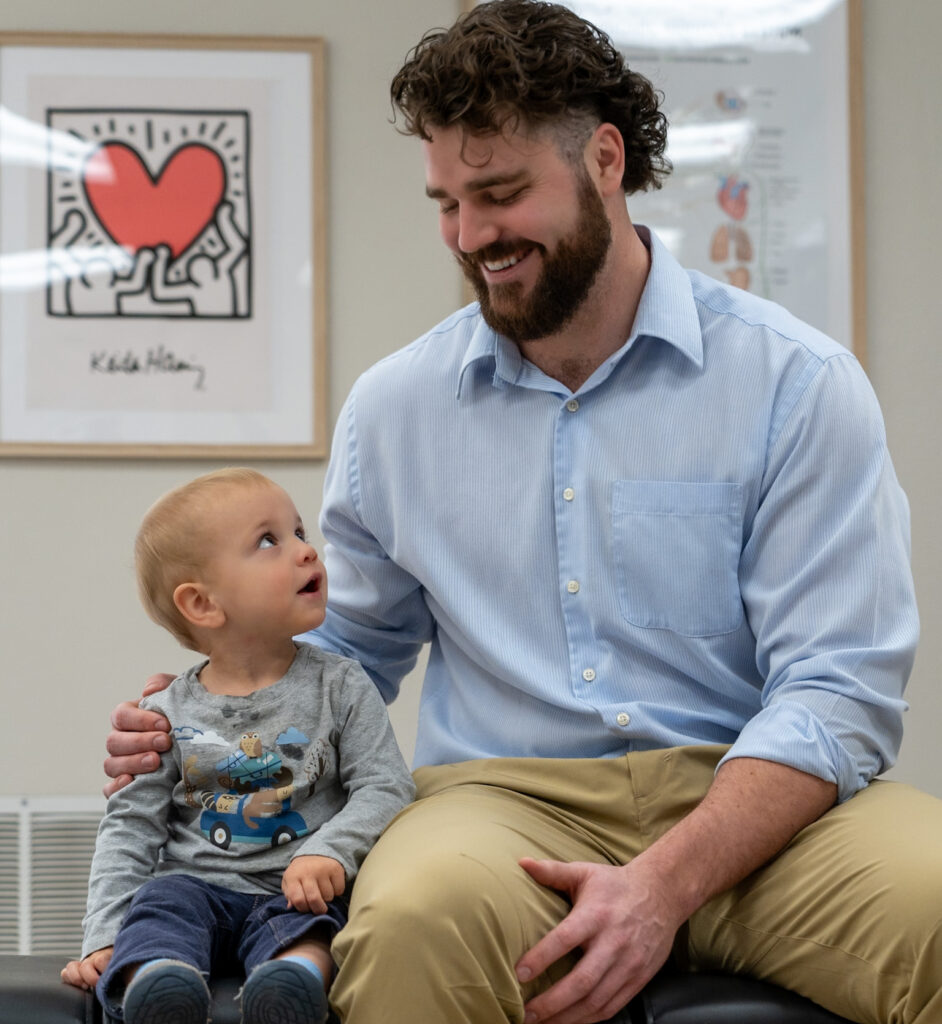
A mom brings in her toddler who’s had trouble sleeping and seems fussier than usual. If I only looked at the spot she points to, I’d miss a lot. So I go through the zones, feel for where the nervous system isn’t communicating well, and adjust specifically there. Often, the area that needs work isn’t the area that’s complaining loudest.
- How the nervous system responds across all six zones, not just the painful area
- Whether stress patterns show up in more than one part of the body
- Age-specific findings, since an infant’s nervous system reads differently than a teenager’s or an adult’s
- Changes over multiple visits, since one assessment is a snapshot, not the whole picture
This is why two people with the same complaint can walk out of my office with different care. One might need a single adjustment. Another needs a different zone addressed entirely. That’s the honest answer. It’s also the point of seeing the person in front of me instead of just the symptom they called about.
Who Benefits From Zone Technique Care
People ask me this all the time. Who is Zone Technique for? It’s for a wider range of people than most expect. I’m not evaluating one joint or one symptom. I’m checking all six zones of the nervous system and adjusting where the disruption is coming from.
A mom in her third trimester comes in uncomfortable, unsure if her positioning is contributing to it. That’s where the Webster Technique for prenatal care comes in. It’s specific to pregnancy and I’m certified in it through the ICPA. A newborn a few days old gets checked differently than a ten year old. A ten year old gets checked differently than a competitive teen athlete dealing with a nagging injury from practice.
- Infants, often brought in by parents noticing feeding or comfort concerns
- Pregnant patients looking for prenatal chiropractic care as their body changes
- School-age kids with growing pains or posture concerns from long days at a desk
- Teenagers active in sports who need care specific to a developing body
- Adults dealing with back pain, headaches, or general wellness and preventative care
Here’s the thing, none of these patients get the same adjustment. A newborn’s session looks nothing like an adult’s. The pressure, the contact points, the whole approach shifts based on age and what the nervous system assessment shows that day.
If you’re not sure your situation fits, that’s a fair question to bring to an initial visit rather than guess on your own. My pediatric chiropractic care page walks through this in more detail if you’re bringing in a child specifically.
When Chiropractic Care Isn’t the Right First Step
I’ll say this plainly. If your baby has a fever, is vomiting repeatedly, or seems unusually limp or unresponsive, call your pediatrician or go to the ER. That’s not a chiropractic visit, that’s an emergency room visit.
Same goes for a new, sudden headache that’s the worst one you’ve ever had, numbness spreading down one side of your body, or chest pain with back pain. Those need urgent medical evaluation first. Chiropractic care doesn’t replace emergency treatment, and I’d never suggest it does.
For conditions like epilepsy, seizures, or other neurological diagnoses, I want to be direct with you. Zone Technique looks at nervous system function broadly, but I’m not going to tell a parent it treats seizures. The research on chiropractic and seizure disorders is limited, and I won’t overstate what an adjustment can reasonably do there. If your child has a neurological diagnosis, that care stays with their neurologist. I might still see a family in that situation for general wellness, but never as a replacement for their existing medical care.
Recent fracture? Active infection? Undiagnosed severe pain that’s gotten worse over days? Those need imaging or a workup from your primary care doctor before anyone puts hands on your spine.
And sometimes a mild ache from sleeping wrong just needs a day or two of rest, some water, and movement. Not every twinge needs an office visit.
Not sure which category you’re in? That’s a fair question, and a lot of parents ask it before their first visit.
Need help with Holistic Chiropractor?
Schedule Your First Visit. Vita Nova Chiropractic is ready to help.
What Happens During Your First Visit
Walking into a chiropractic office for the first time feels different when you don’t know what’s coming. I get it. Parents bringing in a newborn are usually more nervous than the baby is. So let me walk you through it plainly, no surprises.
- We start with a conversation. I want to hear the actual story, not just a symptom list, whether that’s a toddler’s ear infections or an adult’s low back pain.
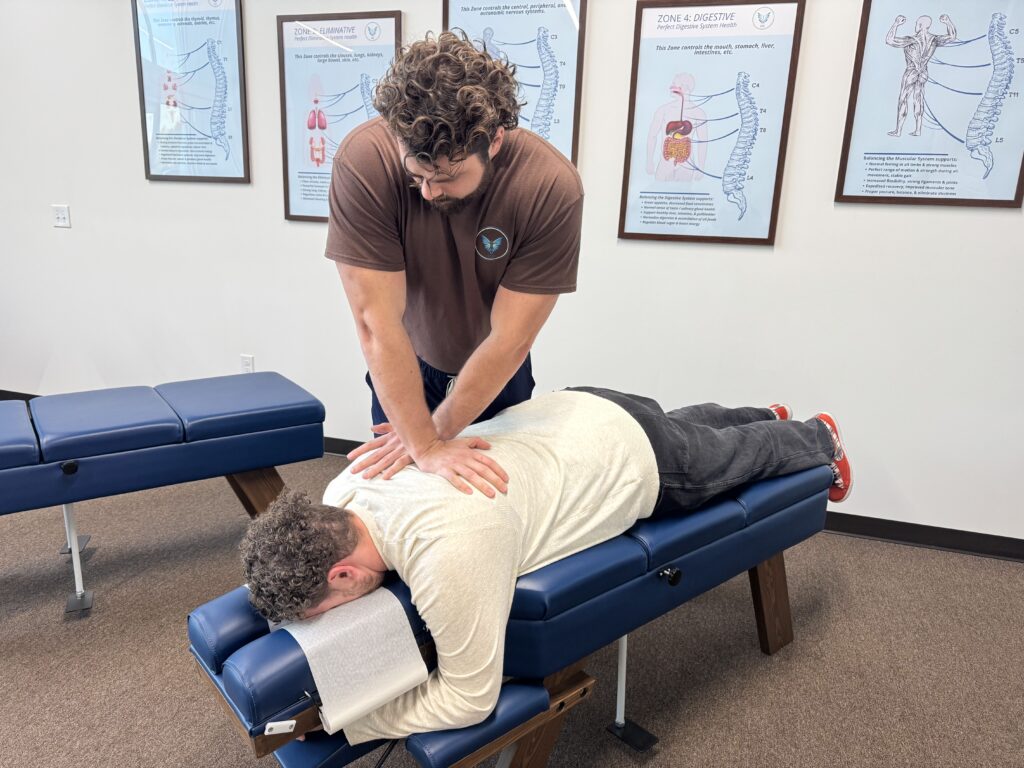
- Then I do a hands-on assessment across all six zones, checking for where the nervous system pattern is disrupted, not just where it hurts.
- I explain what I find in plain language. If I don’t think Zone Technique is the right fit for what’s going on, I’ll tell you that directly.
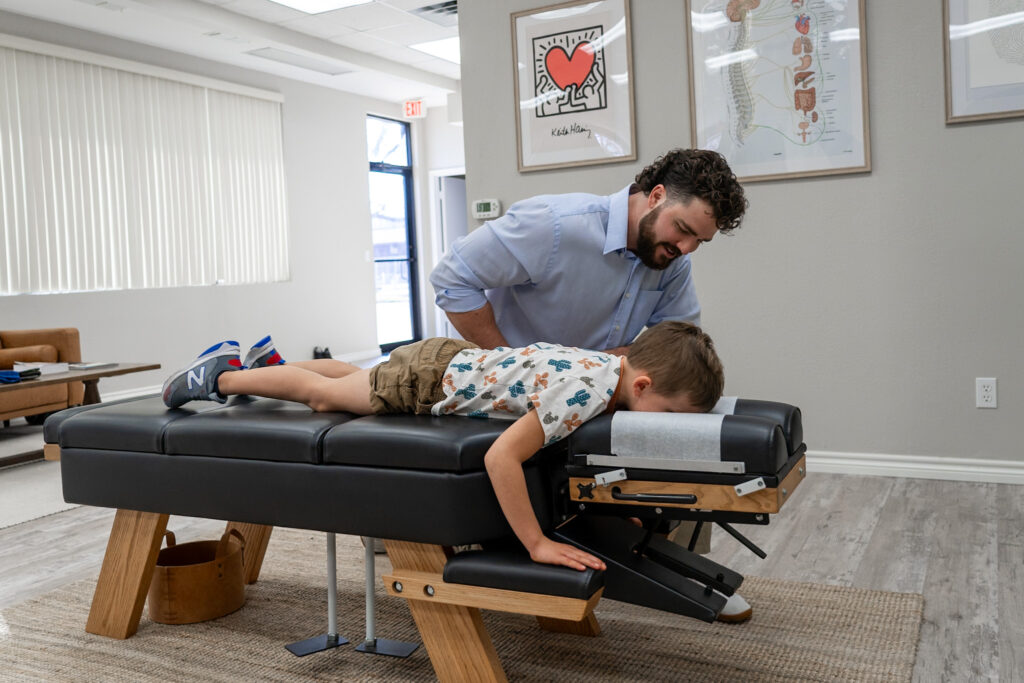
- The adjustment itself is specific and gentle. For an infant, it’s about the pressure you’d use to check if a tomato is ripe. For an adult, it’s a targeted, low force correction.
- We talk about what to expect next and when I’d want to see you again.
One thing I try to be upfront about, this isn’t a one-and-done for most people. Some patients notice a change after the first visit, others need a few sessions before we see a real pattern shift. I’d rather tell you that now than oversell it.
If you’re bringing in a baby or you’re pregnant, the Webster Technique assessment happens the same visit, same conversation first, then hands-on work. Nothing rushed.
Schedule Your First Visit
Pediatric and Prenatal Care With Webster Technique
A lot of my prenatal patients come in around the second trimester, low back aching, hips feeling uneven, wondering if that’s just pregnancy or something I can help with. Often it’s both.

I’m certified in the Webster Technique through the ICPA. It’s a specific analysis and adjustment protocol for pregnancy, focused on sacral alignment and reducing tension in the round and broad ligaments that support the uterus. The idea is simple. When the pelvis moves the way it’s supposed to, there’s less restriction, less strain, and often less pain through the third trimester.
I want to be straight with you here. Research on Webster Technique and outcomes like fetal positioning is limited and mixed. A frequently cited retrospective study published in the Journal of Manipulative and Physiological Therapeutics reported an 82% success rate for babies turning from breech to head-down after Webster Technique care, but it’s exactly the kind of study I mentioned, a retrospective case series, not a large controlled trial. I’m not going to tell you it changes how a baby is positioned. What I can tell you is what it does mechanically, and let you decide from there.
For infants, the adjustment looks nothing like what I do with adults. We’re talking about the pressure you’d use to check a ripe tomato, applied for a couple seconds, if that. Newborns a few days old, babies working through torticollis or feeding trouble, toddlers who took a hard fall learning to walk, I see all of it. Every adjustment gets sized to the kid in front of me, not a template.
Parents often ask if this replaces their pediatrician for reflux, colic, or latch issues. It doesn’t, and I’ll say that plainly every time it comes up. What I’m doing is checking nervous system function across the six zones, and adjusting where I find restriction. That’s a different question than diagnosing a medical condition, and I treat it that way.